
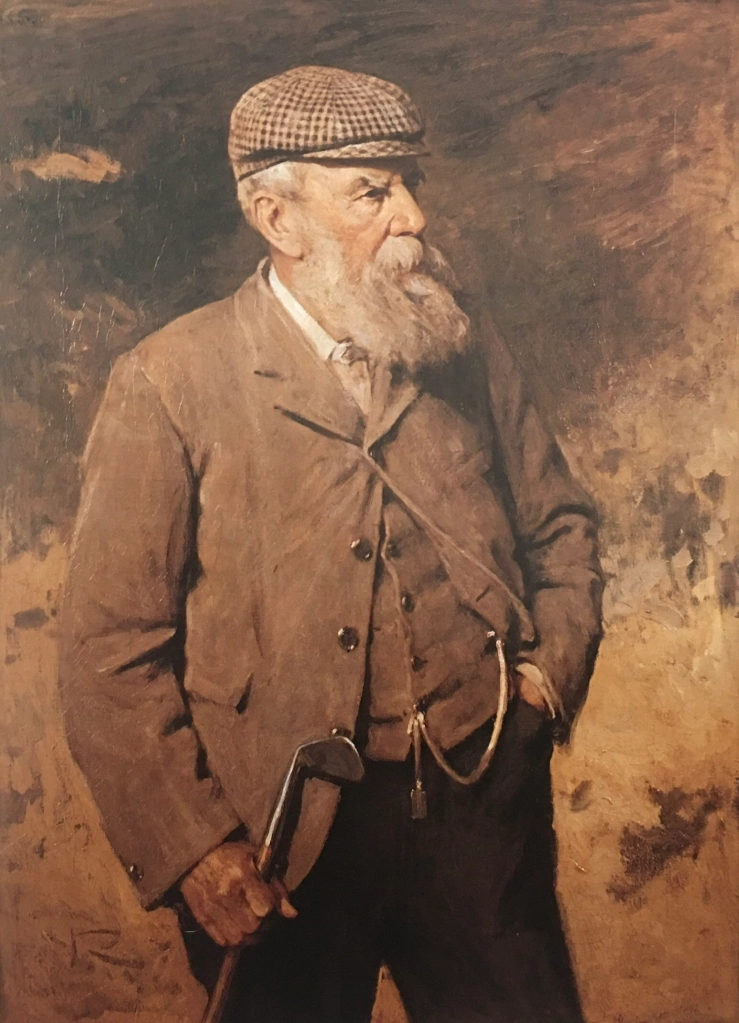
In 1903, his book "Concerning Golf" helped liberate golf architecture from the rigid, penal styles of Victorian courses by promoting designs that reward thoughtful, skillful play rather than simply punishing mistakes.
John Low is recognized as a pioneering figure in modern golf, often regarded as the grandfather of strategic golf course design. Though he designed few courses himself, his influence on golf architecture, rules, and equipment profoundly shaped the game as we know it today. Born around 1869 in Britain, Low was a top amateur golfer and an insightful writer who challenged the punitive, penal golf of the Victorian era. In 1903, through his book "Concerning Golf" and various articles, he advocated for courses that reward skill and strategic thinking over mere avoidance of hazards.
His principles focused on creating golf holes that reward thoughtful play, encouraging golfers to plan one or two shots ahead. He influenced notable architects like Arthur Croome and Tom Simpson and was deeply involved in golf governance, serving on the Royal and Ancient Golf Club’s rules committee from its inception in 1897 until his death in 1929. Low’s impact extended beyond architecture to rules and equipment standardization, including ball development controversies still relevant today. His writings and ideas laid the foundation for modern strategic golf architecture, making him a largely unsung but crucial figure in golf’s evolution.