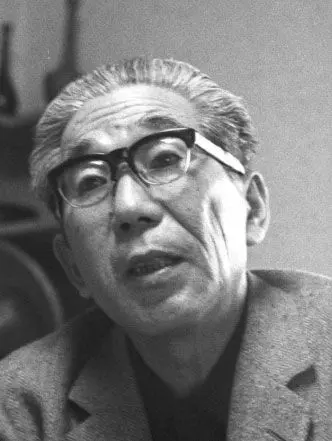
Osamu Ueda was a well-known competitive swimmer before changing careers to golf course design. He served as a swimming referee at the 1936 Berlin Olympics and subsequently used that opportunity to visit British and Scottish golf courses for inspiration in his architectural work.
Osamu Ueda was a prominent Japanese golf course architect born in 1907 in Osaka, Ibaraki Prefecture. He studied Forestry and Landscape Architecture at Kyoto University’s Faculty of Agriculture. Early in his career, Ueda was invited by British golf course architect Charles Alison to assist in the development of the Hirono Golf Club, which opened in 1932. He later became the club manager and started an independent career as a golf course designer.
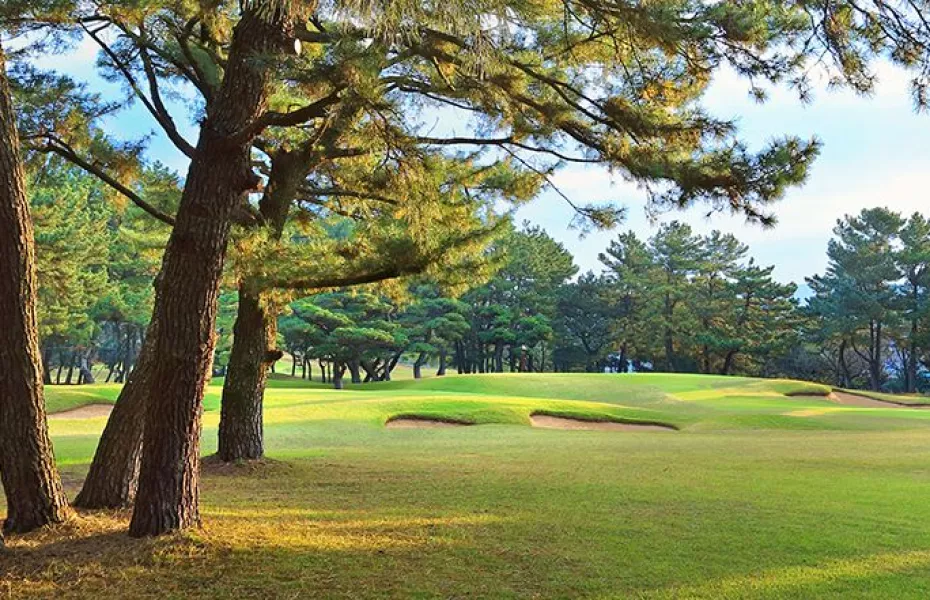
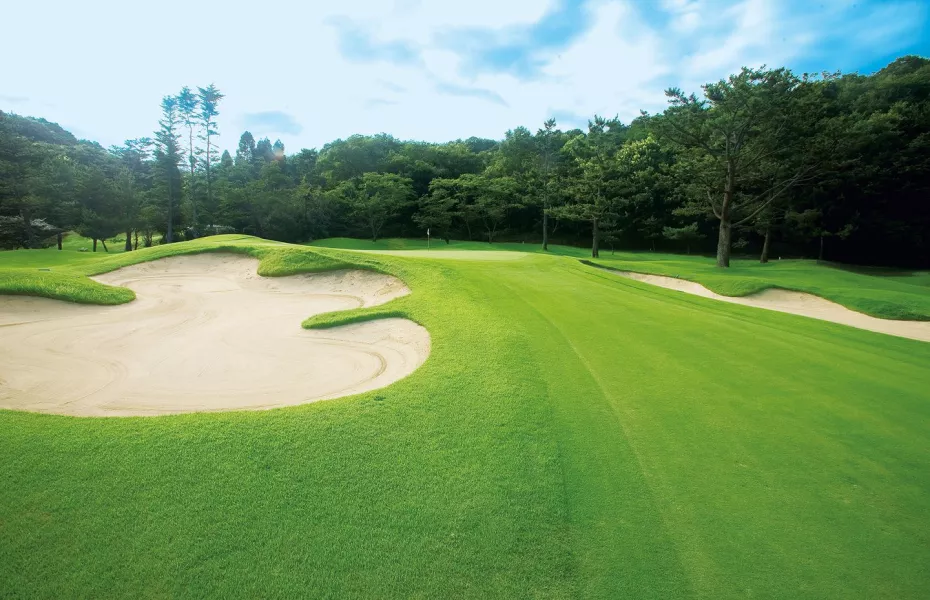
Ueda designed over fifty golf courses across Japan over more than five decades, often emphasizing harmony with the natural environment and local topography. His work includes notable courses such as Osaka Golf Club, Ono Golf Club, Arima Royal Golf Club, Hiroshima Country Club, Shimonoseki Golf Club, and Moji Golf Club. He helped restore the Hirono course after World War II, which had been damaged and partly converted for military and agricultural use during the war. Ueda’s golf courses are renowned for their natural beauty and strategic challenges, considered among the best in Japan and Asia.
Apart from golf architecture, Ueda was also a famous swimmer in his youth and participated as a swimming judge in the 1936 Berlin Olympics, after which he toured the UK and US studying golf courses. His legacy is remembered as foundational in Japanese golf course design, alongside fellow architect Seiichi Inoue.