
POI-optimized drivers, carbon face technology, and game-improvement irons with tour-level feel converge with a major rule change. This isn't marketing hype. Here's why 2026 equipment could warrant taking out your wallet
The Perfect Storm: Technology Meets New Rules
Starting with the 2026 season, the PGA Tour compressed the relief area for preferred lies (lift, clean, and place) from a full club length (approximately 46 inches) to a scorecard length (approximately 11 inches). This is one of the most consequential rule modifications in recent professional golf.
Under the old rule, players could move their ball up to 46 inches in any direction, enough to materially change approach angles, especially around the green where grain direction becomes a decisive factor. The 11-inch reduction makes that manipulation impossible.
For your equipment decisions: This rule change tilts the needle toward forgiveness and directional consistency. If you can't move the ball to dial in the perfect angle, you need clubs that are more forgiving on slightly offline strikes.
The Driver Revolution: Accuracy Now Beats Distance
The 2026 driver market is laser-focused on one concept: POI (Product of Inertia), a statistic you've never heard of and one that will define this equipment cycle.
While MOI (Moment of Inertia) measures how stable a clubhead is during impact, POI measures 3D twisting. A high MOI gives you stability; a low POI gives you consistent direction on off-center hits. Without the ability to move your ball 46 inches, you need a driver that delivers tighter, more predictable dispersion on the shots you inevitably miss the center on.
The 2026 Driver Landscape
1. COBRA OPTM Family (Available Now)
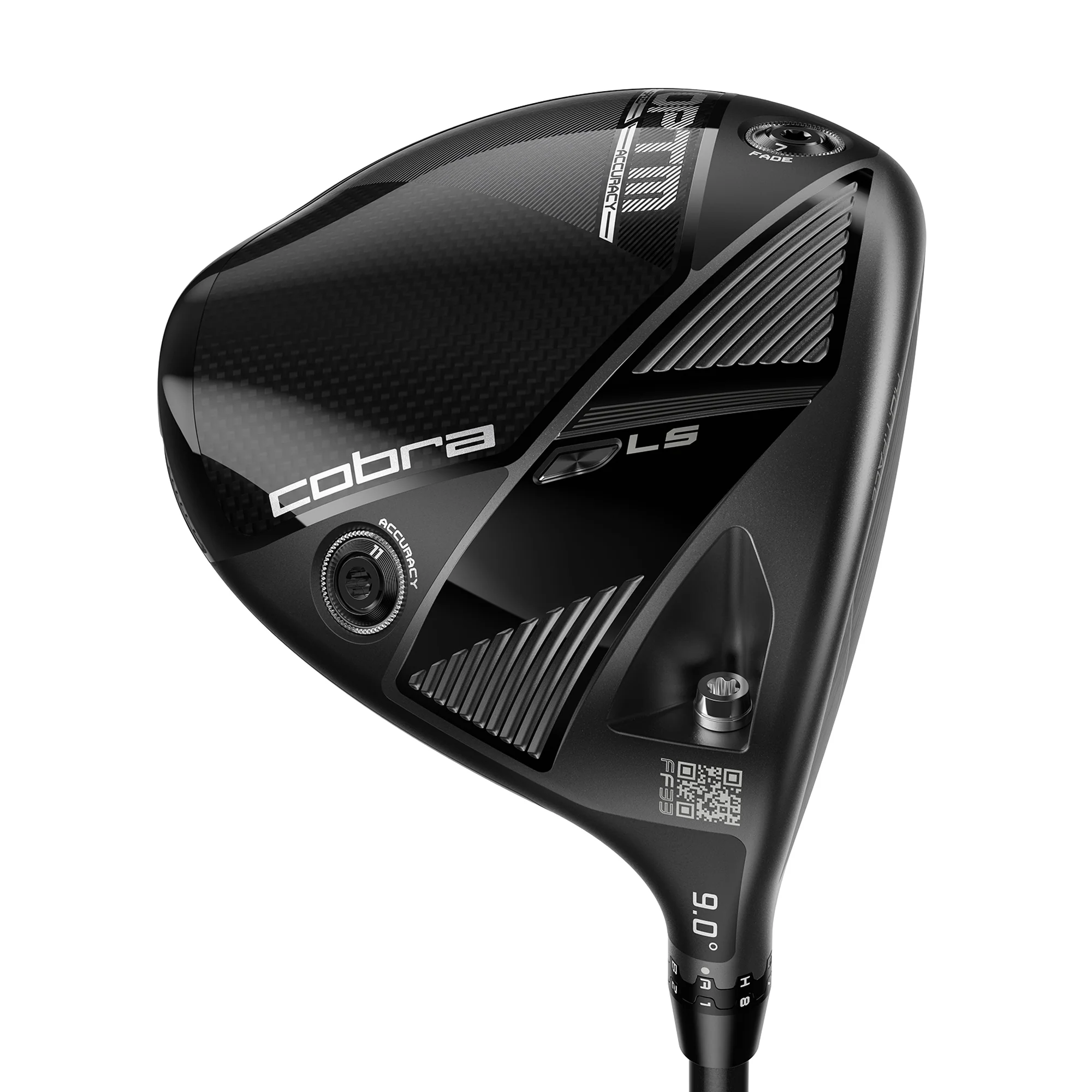
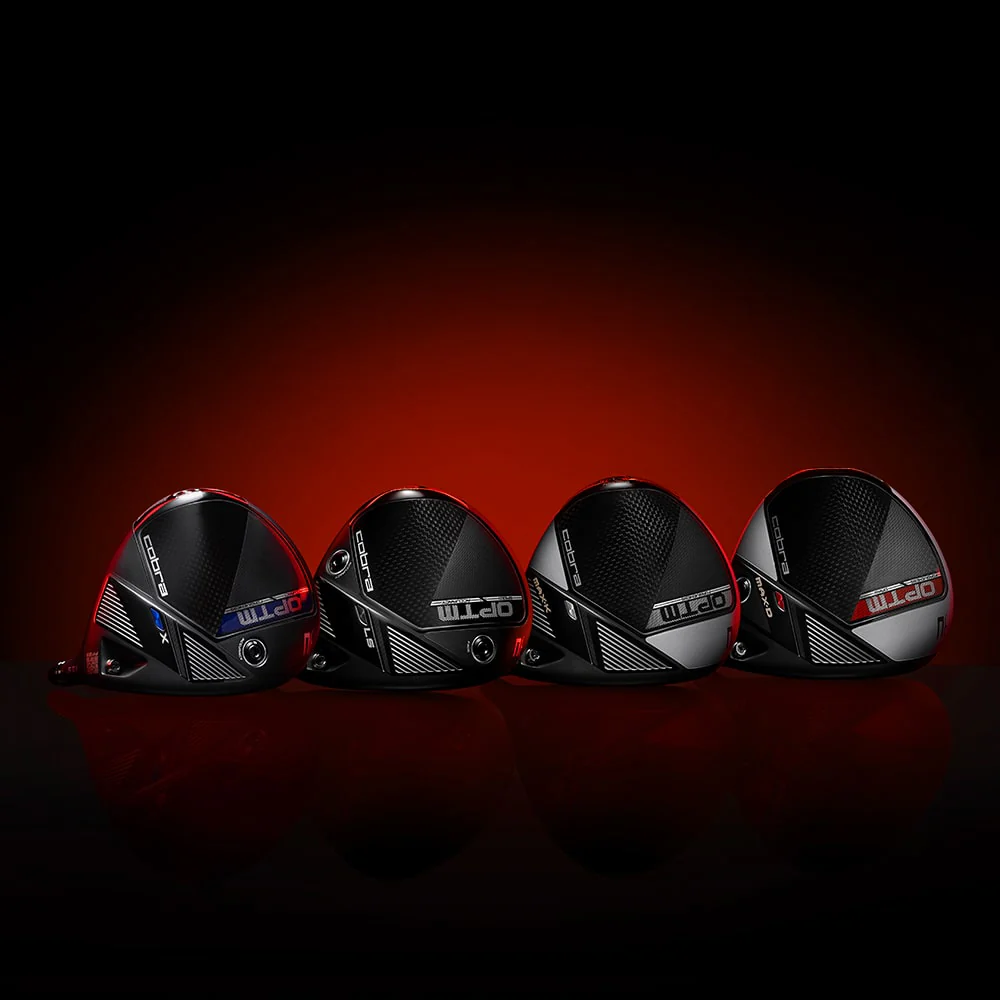
Cobra has fundamentally rethought driver head geometry using AI-optimized shaping and proprietary weight placement. Rather than chasing maximum MOI, OPTM drivers minimize POI through supercomputer-simulated geometry and asymmetrical weighting.
Three models cover different needs: OPTM LS for faster swingers who generate too much spin, OPTM X for neutral setup with accuracy and forgiveness modes, and OPTM MAX-D for draw-biased help. Testing shows measurable reduction in wild misses, and Cobra claims up to 23% better dispersion compared to their previous line.
-----
2. TaylorMade Qi4D (Available January 2026)
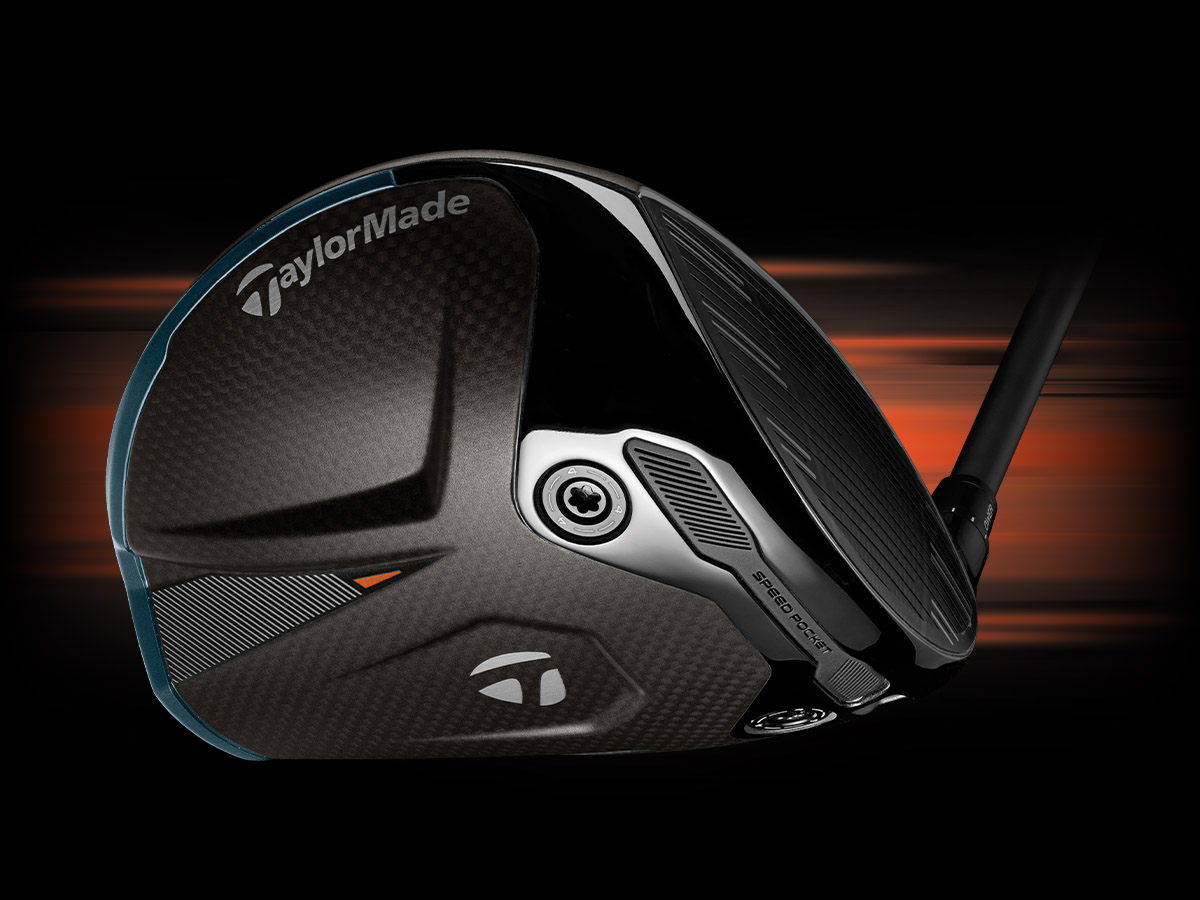
TaylorMade's third iteration of their Qi driver line emphasizes precision through complexity: the Qi4D offers 128 possible weight configurations when combining the quad-weight system with the 12-setting hosel.
The Carbon Twist Face is lighter than titanium, enabling faster ball speeds and superior consistency on off-center hits. Three head options (Core, Max, and LS) cover everything from maximum adjustability to pure forgiveness to low-spin performance.
In a world where you can't move the ball to improve your angle, getting the exact launch profile for your swing is a real performance lever.
-----
3. PING G440K (Released January 13, 2026)

PING rounded out their G440 family with the G440K, which they claim has the highest adjustable MOI of any driver they've ever made. The dual Carbonfly Wrap crown plus carbon fiber sole shifts weight internally to lower the center of gravity and maximize MOI.
The new 32-gram CG Shifter Weight allows neutral, fade, or draw bias tuning. At $705, the G440K offers genuine maximum forgiveness without requiring you to accept a particular ball flight, making it perhaps the best value in premium forgiveness. PING is holding prices steady while competitors pushed 2026 driver prices higher.
The Iron Category: Srixon's Game-Improvement Breakthrough
While driver innovation grabs headlines, Srixon's entry into the game-improvement iron market with the ZXiR and ZXiR HL irons (available January 6, 2026) represents a genuine technology story for mid-to-high handicappers.
Srixon engineered a proprietary alloy that is 10% softer than standard steel, delivering enhanced feedback and reduced vibration typically reserved for tour-caliber irons. Their MainFrame Milling 2.0 uses data from thousands of real-world shots by mid-to-high handicappers to redistribute mass for higher ball speeds on off-center strikes and position the sweet spot lower on the face, exactly where mid-to-high handicappers typically make contact.
Srixon's focus on lower sweet spots and improved off-center performance directly addresses the rule change. Without the ability to move your ball into a better lie, consistency on shots from tougher positions becomes more valuable. Retail pricing for a 6-piece set is approximately $1,200.
Honorable Mentions
PING G440 Driver Family: If you missed the initial launch, the G440 family (without the K) remains one of 2026's best all-around driver options, and dealers are offering discounts as the K model releases.
Titleist Pro V1x Left Dash (Available January 21, 2026): A new dual-core ball with higher trajectory flight and extremely low long-game spin for penetrating wind, paired with tour-validated short-game spin. For golfers who want distance without the balloon flight of standard Pro V1x, this represents a meaningful new option.
Why 2026 Specifically
Rule changes favor consistency: With preferred lies narrowing from 46 to 11 inches, you can't manage course position as aggressively. Equipment that delivers tighter dispersion becomes genuinely valuable.
Technology breakthroughs are real: POI shaping (COBRA), quad-weighting (TaylorMade), maximum MOI engineering (PING), and new materials (Srixon) aren't marketing narratives. They're measurable performance improvements with tangible on-course results.
Value exists if you're smart: Yes, 2026 drivers cost more than ever. But PING's G440K offers maximum forgiveness at a controlled price point, and the G440 family is being discounted as inventory shifts.
Who Should Actually Upgrade?
Upgrade now if:
- You miss more than a few fairways per round (tighter dispersion is valuable)
- Your irons are older than 4 years (modern materials genuinely deliver better consistency)
- You've never been custom fit for a driver (proper fitting is 80% of the upgrade benefit)
- You struggle with off-center strikes and consistency
Wait and see if:
- You consistently hit fairways and prefer shot manipulation over forgiveness
- Your current equipment works for your game (don't chase new for new's sake)
- You have equipment less than 2 years old (technology cycle gains are incremental year-to-year until genuine breakthroughs like 2026)
The Bottom Line
2026 is a rare year where equipment innovation directly benefits from rule changes. The scorecard-length preferred lies rule shifts competitive advantage toward consistency and forgiveness, while manufacturers have engineered genuine breakthroughs that directly improve those exact characteristics.
If you're considering an upgrade, this is the year where the math works. Get fit properly, understand your dispersion patterns, and invest in clubs engineered for the new competitive environment.