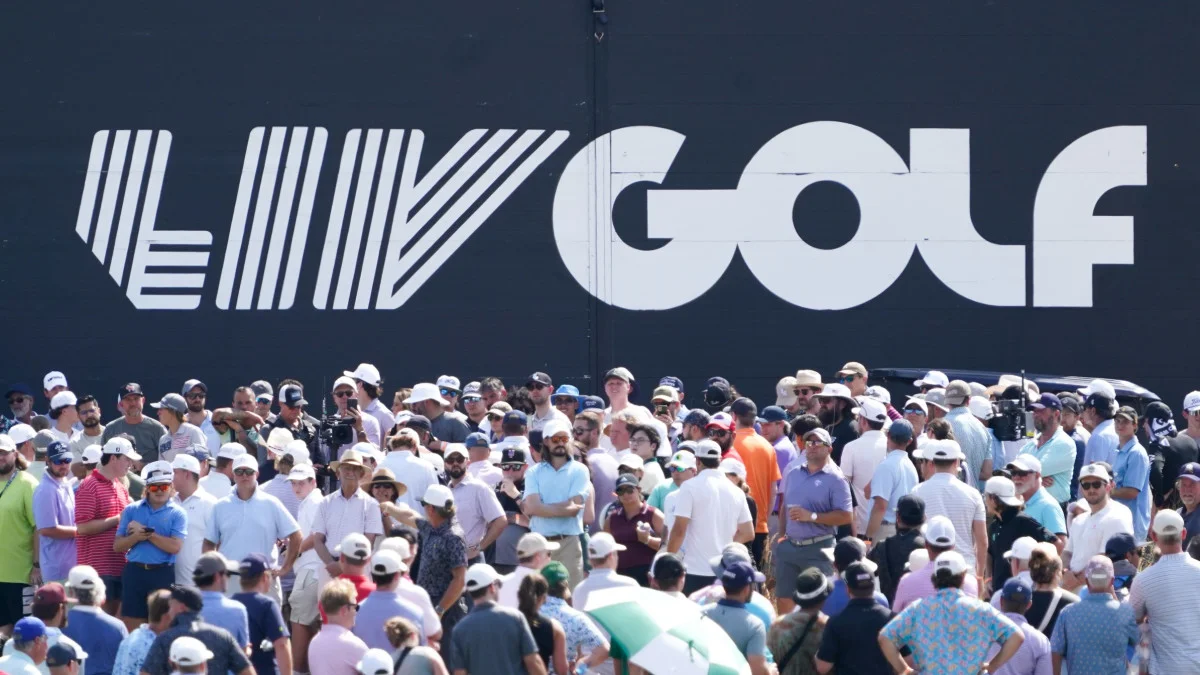

LIV Golf is officially ditching its signature 54-hole format. Starting February 2026, the Saudi-backed circuit will play traditional 72-hole tournaments in a strategic bid for world ranking points and major championship access.
The format change begins with the Riyadh season opener on February 4, 2026, marking the most significant structural shift since LIV launched in 2022. Tournaments will now run Thursday through Sunday, extending the competition by one full round while preserving the shotgun start and no-cut format that differentiated LIV from traditional tours.
The move directly addresses the OWGR's (Official World Golf Ranking) consistent rejection of LIV's application for ranking points. Without OWGR recognition, LIV players have faced increasingly difficult paths to qualify for major championships, the most prestigious events in professional golf.
Why Now?
LIV has chased OWGR accreditation since its inception. The 54-hole format was repeatedly cited as a primary barrier, despite LIV's arguments that its fields and competition quality warranted ranking points. The governing body, led by chairman Trevor Immelman, has not budged.
For LIV players, the stakes are real. Major championship eligibility hinges largely on world ranking position. Without points, former major winners like Brooks Koepka rely on past champion exemptions, while emerging players face limited pathways into the biggest tournaments.
Jon Rahm, LIV's 2024 individual champion, framed the change as competitive necessity. "Moving to 72 holes is the logical next step that strengthens the competition, tests us more fully, and delivers more of what the fans want," he said. "This is a win for the League and the players. We are competitors to the core, and we want every opportunity to compete at the highest level."
Player Sentiment Shifted
Initially, LIV players resisted the format change. Tyrrell Hatton noted that when players were surveyed, "there were only three guys initially who said 'yes' to moving to 72 holes." That sentiment has clearly evolved as the consequences of OWGR exclusion became undeniable.
Not everyone is on board. Two-time Masters champion Bubba Watson has publicly disagreed with the decision, though his full reasoning remains unclear. His dissent stands in contrast to the majority of LIV's roster, who now view the change as pragmatic.
Rory McIlroy, a vocal PGA Tour defender, offered a measured take. "It certainly puts them more in line with traditional golf tournaments," he said, "but it takes away from their disruptor identity."
What's Changing (and What's Not)
The 2026 season will feature 57 players: 13 four-player teams plus five Wild Card spots. The field size expands slightly, but the no-cut format remains intact. Shotgun starts will continue, preserving some of LIV's original DNA.
LIV is also overhauling its rules committee following discussions with the USGA and R&A. New officials and Model Local Rules are being adopted, though specifics have not been disclosed.
The Lock Zone and Drop Zone, which govern team trades and relegation in LIV's season-long points race, have been expanded. This could add volatility to team dynamics as the season progresses.
LIV Golf Promotions, held January 8-11, 2026, at Black Diamond Ranch in Florida, now awards the top three finishers full-season Wild Card spots. The event features over 80 players from 24 countries competing for a $1.5 million prize purse and a chance at the main tour.
Will OWGR Budge?
The critical question remains unanswered: Will the 72-hole format be enough for OWGR recognition? The governing body has not confirmed whether ranking points will be awarded to LIV events in 2026. A decision is expected before the season opener, but additional criteria beyond format alignment may still apply.
If OWGR approval does not follow, LIV's concession risks feeling hollow. The circuit would have adopted traditional tournament structure without securing the primary benefit it sought: a legitimate pathway for its players into majors and world ranking credibility.
Identity Crisis or Evolution?
LIV Golf built its brand on disruption. The 54-hole format, team structure, and shotgun starts were deliberate rejections of the PGA Tour's conventions. Moving to 72 holes blurs that distinction.
For some, this is maturation. For others, it's capitulation. The format change signals that LIV's leadership believes integration with golf's existing infrastructure is more valuable than maintaining a separate identity.
Whether that calculation pays off depends entirely on what happens next with the OWGR. If ranking points follow, LIV's players regain access to the sport's biggest stages. If not, the league will have surrendered one of its defining features without gaining the recognition it desperately needs.