Despite originally training for a medical career, Seiichi Inoue's life changed completely due to an illness that led him to golf for therapy, eventually inspiring him to become one of Japan's greatest golf course architects after meeting C.H. Alison, illustrating a remarkable career transformation rooted in health recovery.
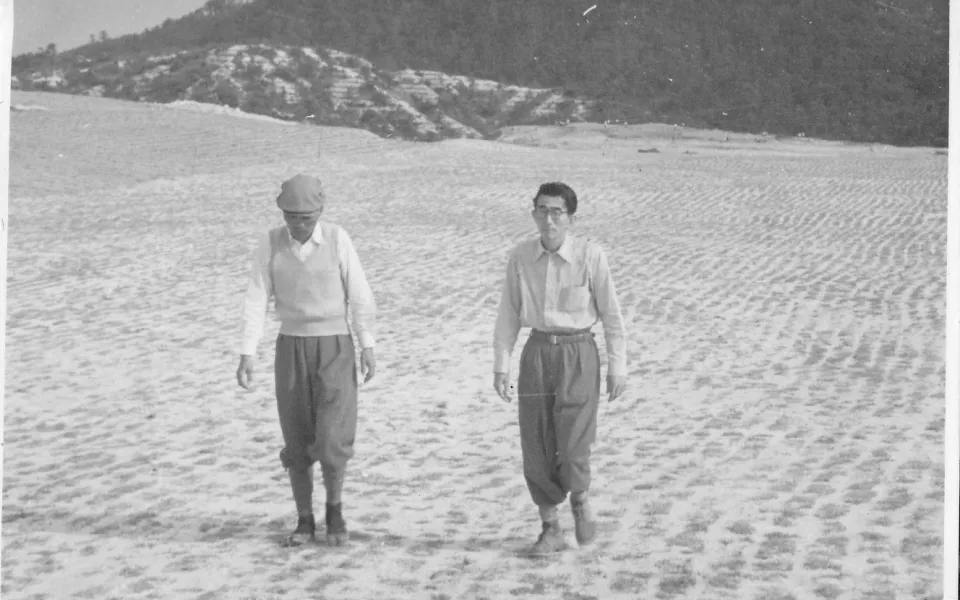
Seiichi Inoue was born in Akasaka, Tokyo, into a family with an esteemed background in medicine, with plans originally for him to become an ophthalmologist. However, illness during his youth led him to take up golf as therapy, which drastically changed his life when he met British golf course architect C.H. Alison in Izu Kawana. Alison's influence inspired Inoue to pursue golf course design, studying the craft rigorously and becoming one of Japan's most celebrated architects.
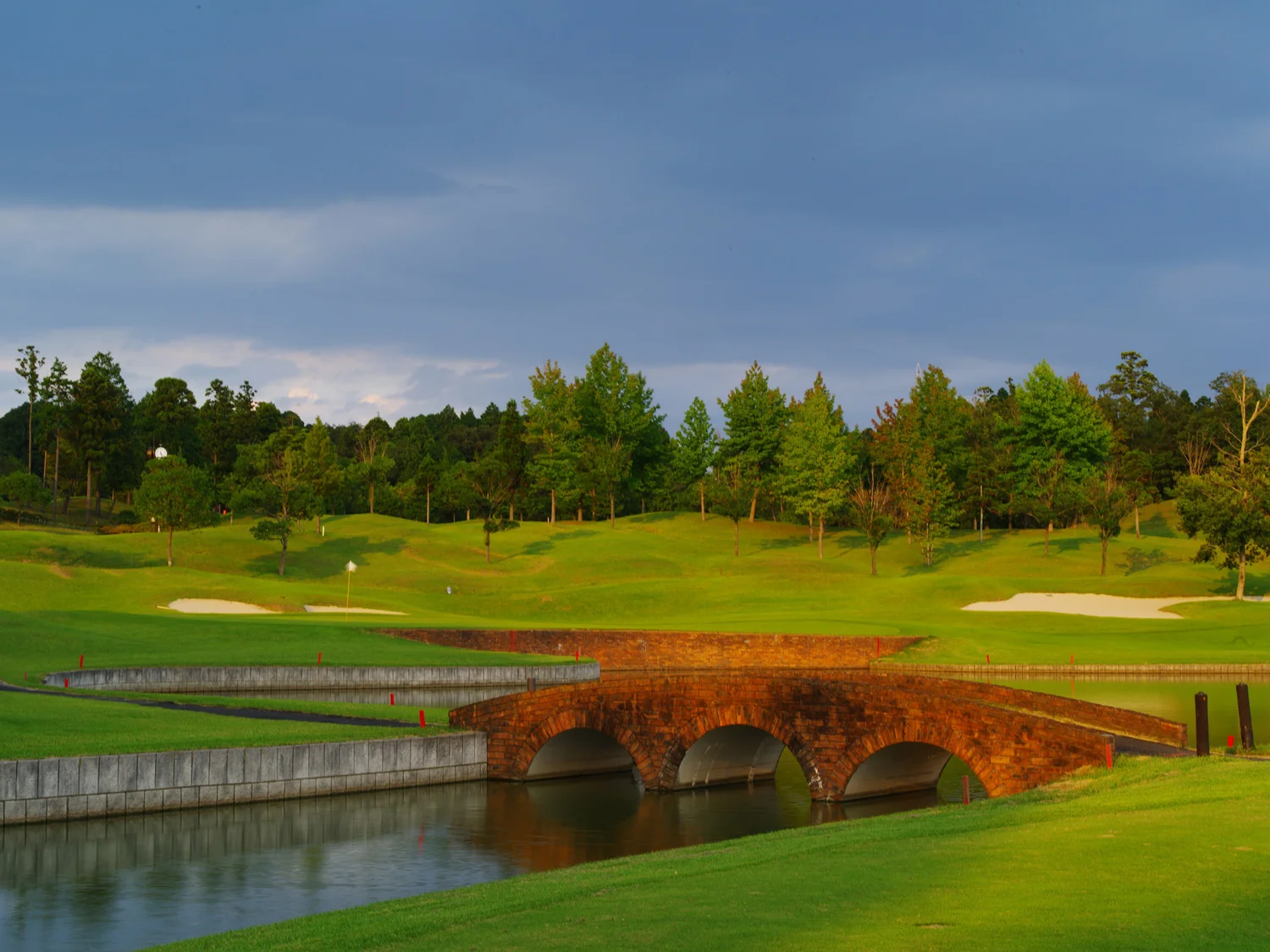
Inoue is known for designing 38 golf courses, many of which are prestigious member clubs such as Kasumigaseki Country Club, Yomiuri Golf Club, Oarai Golf Club, and Sapporo Golf Course. His design style emphasizes harmony with natural landscapes, strategic layouts, and Japanese aesthetic sensibilities, often with challenging terrain and beautiful, undulating greens. He is credited with popularizing a style that elegantly blends natural terrain with strategic golf play, creating unique and visually striking courses.
His notable courses include the Oarai Golf Club, renowned as a seaside link style course rare in Japan, richly forested with black pines creating natural hazards, and the Kawasaki Kokusai Ikuta Ryokuchi Golf Course, a public course near Tokyo known for its deep bunkers and challenging undulating terrain. Inoue's last 18-hole design was the Ohara Onjuku Golf Course, known for its tropical feel and carefully placed bunkers.
A master of his craft, his legacy endures with courses that remain highly respected and played, with many hosting professional tournaments and maintaining reputations decades after his death in 1981.