


ARCHITECTS
Course info
Score
Difficulty
Weather
Price

Course Report
Dornick Hills was the very first Oklahoma golf club to use Bermuda grass greens before later upgrading to Bentgrass, and is listed on the National Register of Historic Places.
About
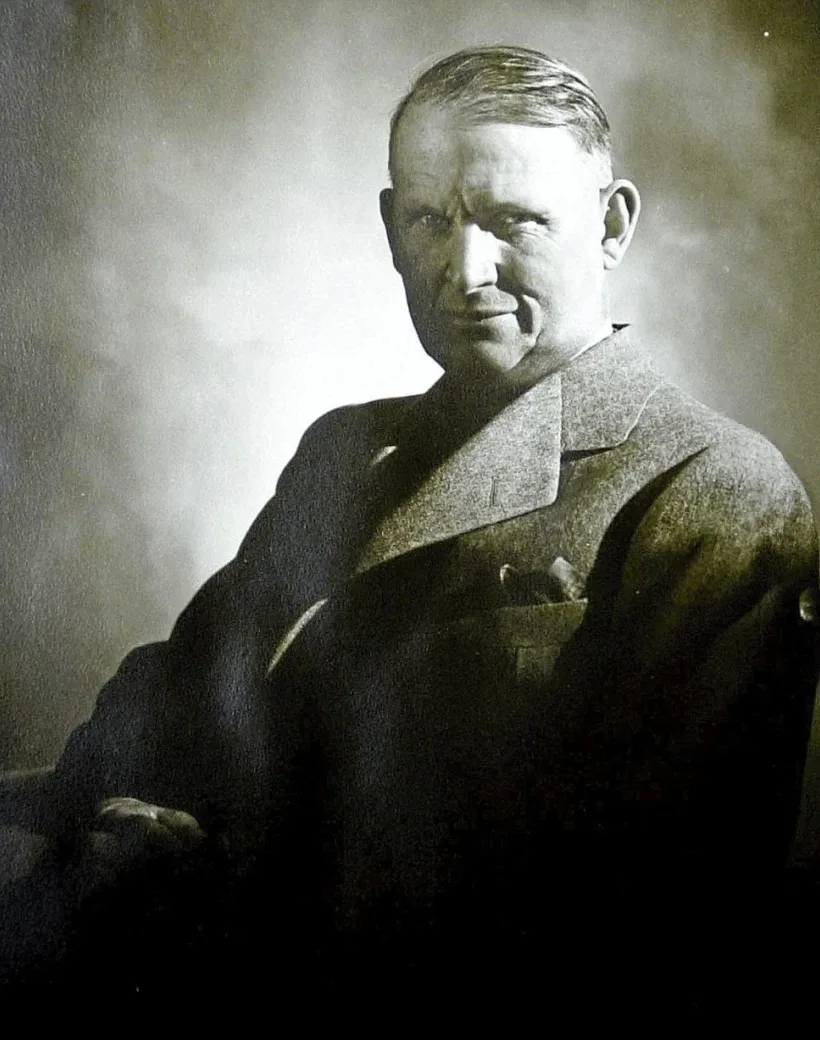
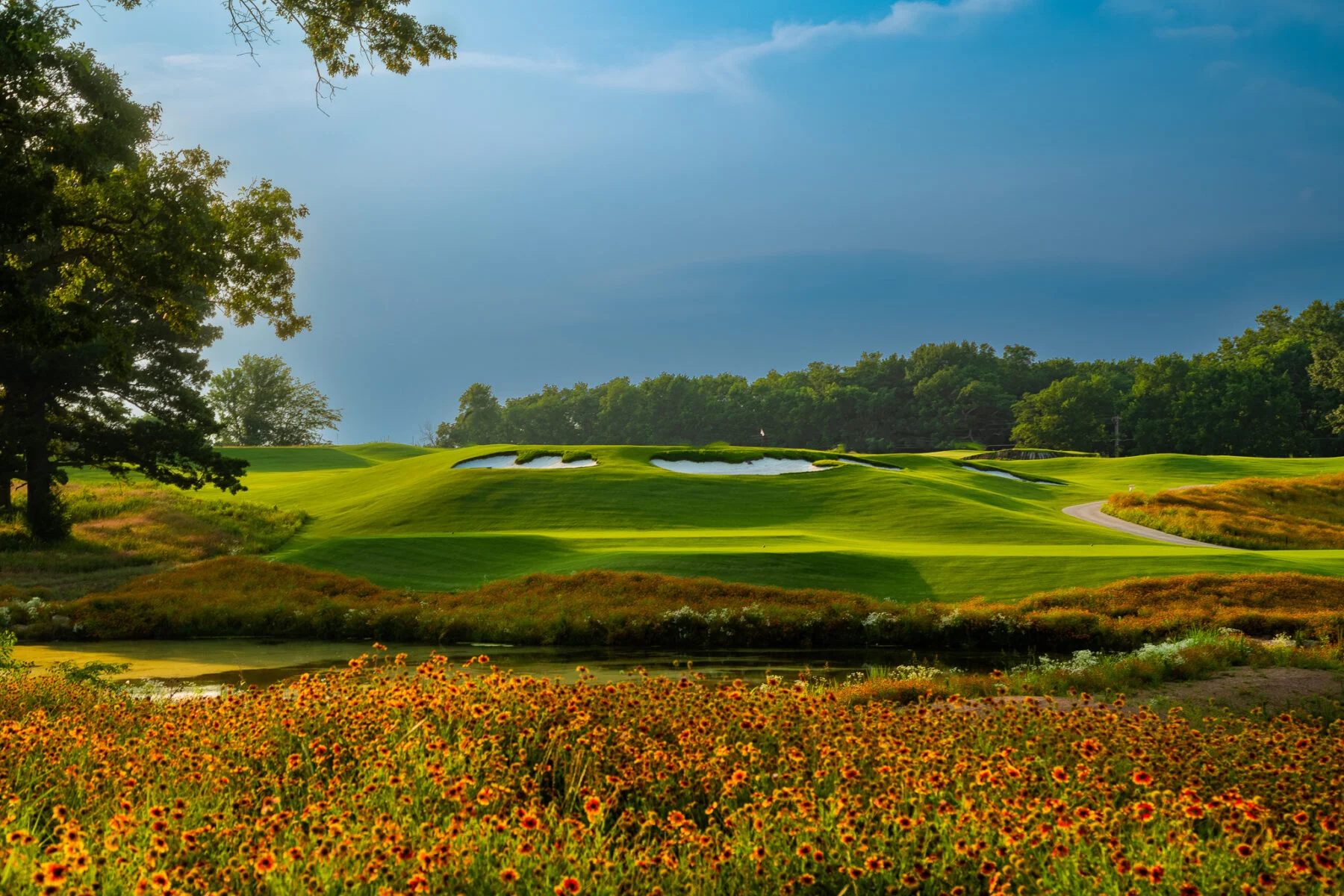
Dornick Hills Golf & Country Club, located in Ardmore, Oklahoma, is a historic 18-hole course designed by Perry Maxwell in 1914, marking his first full design. The classic layout highlights undulating Maxwell greens, natural rock outcroppings, and varied elevation, blending seamlessly with the landscape. The course recently underwent a Tom Doak restoration and is nationally recognized for its architectural and historical value.
Caddie Tip
Stay below the hole on approach shots to Maxwell’s contoured greens, where putting from above can be treacherous. On the 16th, take care to lay up short of the cliff rather than risk a difficult recovery, and beware of swirling winds on open stretches along the property’s ridgeline.
The Main Challenge
The toughest challenge at Dornick Hills is mastering the undulating, quick greens—especially when paired with winds. Strategic driving and approach angles are essential since missed greens or short-sided chips leave brutal recoveries. The par-5 16th, with its cliff hazard, is a pivotal test.
The Good
Golfers praise Dornick Hills for its masterful use of natural terrain and the variety of holes, which demand both strategic shotmaking and creativity. The elevation changes, rock outcroppings, and Maxwell’s famous rolling greens make for a memorable and distinctive round.
The Not So Good
Players often note inconsistent turf quality on certain fairways after weather extremes or maintenance interruptions. Practice facilities could feel cramped during busy events, and the occasional pace of play lag on weekends is a recurring request for improvement.
Signature Hole:
#
16
The 16th hole, a dramatic par 5 known as 'The Cliff Hole,' features a challenging approach to a green perched atop a 50-foot limestone ledge. Long hitters may risk a shot to the elevated putting surface, while most golfers must lay up and attack the green with a short iron or wedge from below the cliff.
Clubhouse
Members enjoy a recently renovated clubhouse with dining options, bar/lounge, banquet and meeting rooms, locker facilities, and a golf shop. Seasonal pool, tennis courts, and social events are available, catering to a range of member needs.
Practice Facilities
Dornick Hills provides a full grass driving range, short game area, and well-maintained putting greens, though space can be tight during tournaments. The classic clubhouse offers locker rooms, dining, a bar, event space, and a pro shop with attentive staff.
Dress Code:
Standard
No dress code enforced. All attire is permitted.
Collared shirts not required. Clean, athletic or golf-appropriate casual wear is acceptable.
Collared shirts required. No denim, gym wear, or overly casual clothing.
Collared shirts must be tucked in; no cargo or athletic shorts. No hats indoors.
Elite club standards; jackets required indoors, no changing shoes in the parking lot, and specific attire rules based on the area of the facility.
.avif)
.png)
.webp)
.png)