



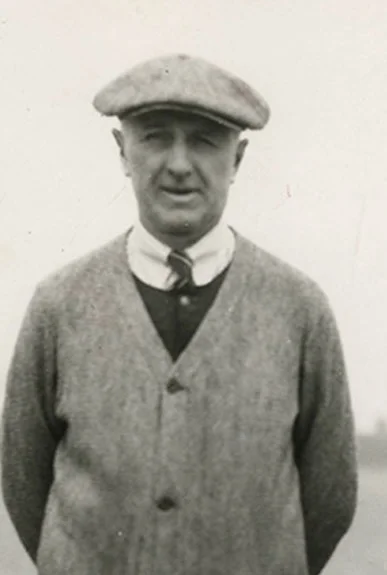
ARCHITECTS
Course info
Score
Difficulty
Weather
Price

Course Report
During Prohibition, each Oakmont locker included a hidden lockbox for members to stash their forbidden liquor, a clever workaround that became part of club lore.
About
Oakmont Country Club, designed by Henry C. Fownes in 1903, is renowned worldwide for its fast, undulating greens and challenging layout. Host to more USGA championships than any U.S. club besides Augusta National, Oakmont’s reputation for difficulty is built on its strategic bunkering, rolling parkland terrain, absence of water hazards, and thick rough.
Caddie Tip
Stay below the hole on approach shots. Oakmont’s greens are exceptionally fast and subtly contoured, making downhill putts treacherous. Favor the fairway side away from major bunker complexes, especially the Church Pews on 3 and 4. Conservative play to the center of greens is often rewarded over riskier attacks.
The Main Challenge
Oakmont tests every aspect of a golfer’s game. The combination of sloping, ultra-fast greens, strategically placed bunkers, especially the famous Church Pews, thick rough, and a lack of significant water hazards shifts the challenge to pure shotmaking and mental strength. Even short putts are nerve-racking, and few approach shots are straightforward.
The Good
Golfers love the relentless challenge Oakmont provides from start to finish. The greens are legendary for their speed and precision, and the course routing makes for a memorable, demanding round filled with strategic decisions. Its rich championship history and classic clubhouse atmosphere provide a sense of tradition unmatched in American golf.
The Not So Good
Many visitors find Oakmont’s severity, especially its lightning-fast, contoured greens and deep penal bunkers, borderline excessive, resulting in some rounds feeling punishing and slow. The rough can be unforgiving and the walk strenuous, which for some detracts from pure enjoyment, especially for less skilled or less fit golfers.
Signature Hole:
#
3

The par-4 3rd hole is famous for its formidable “Church Pews” bunker, a massive hazard comprised of 12 grassy ridges separating sand from fairway. Its imposing presence challenges players off the tee, demanding accuracy and courage to avoid its deep penal traps on this iconic mid-length par 4.
Clubhouse
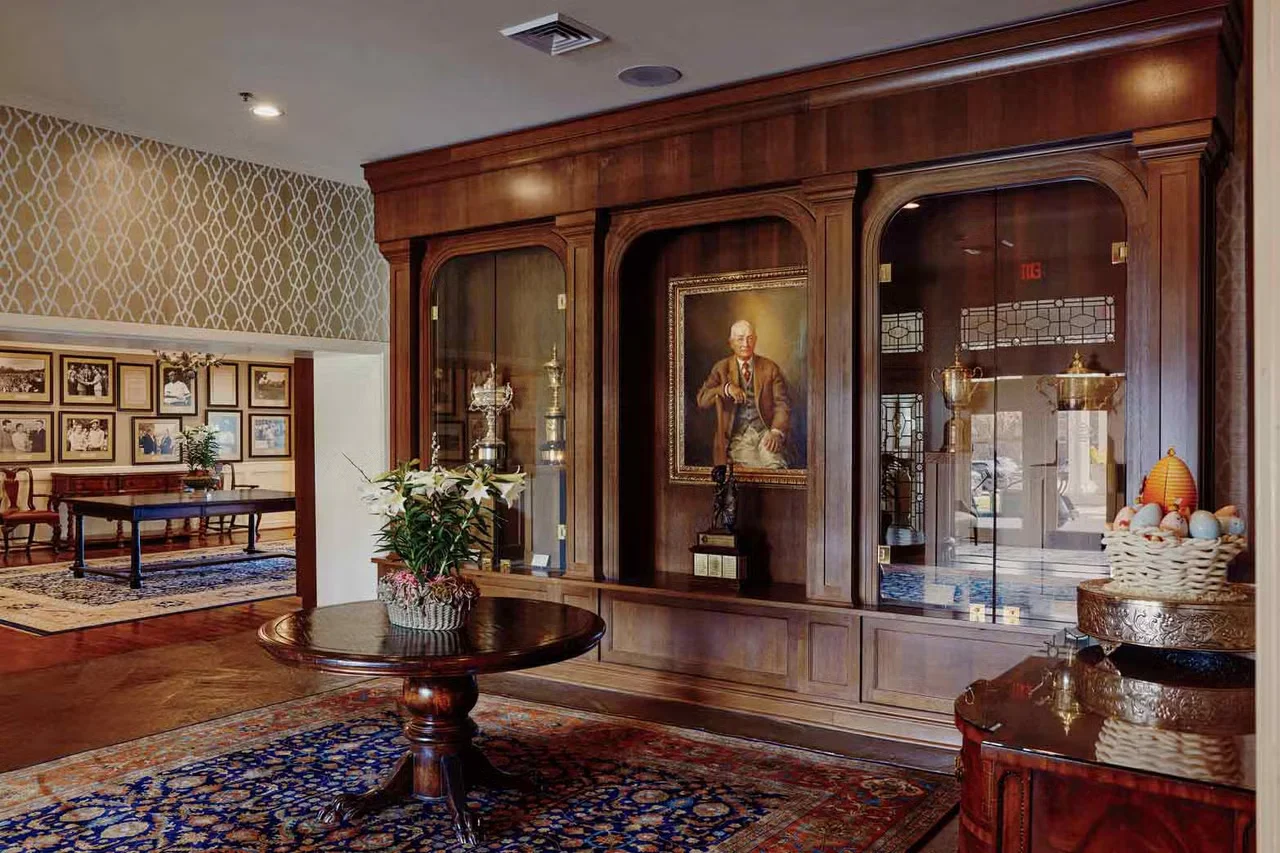
The elegant clubhouse is steeped in history, offering formal dining, banquet halls, private locker rooms, and a pro shop stocked with exclusive merchandise. Members enjoy multiple lounges, meeting spaces, and sweeping views of the course. Service is attentive and personalized, with all amenities reflecting the club’s prestigious status.
Practice Facilities
Oakmont offers comprehensive facilities including a state-of-the-art driving range, short game area, and multiple practice greens manicured to match on-course conditions. Instruction from professionals is available, and facilities are maintained at championship standards year-round.
Dress Code:
Prestigious
No dress code enforced. All attire is permitted.
Collared shirts not required. Clean, athletic or golf-appropriate casual wear is acceptable.
Collared shirts required. No denim, gym wear, or overly casual clothing.
Collared shirts must be tucked in; no cargo or athletic shorts. No hats indoors.
Elite club standards; jackets required indoors, no changing shoes in the parking lot, and specific attire rules based on the area of the facility.


.avif)
.webp)
.png)



.png)