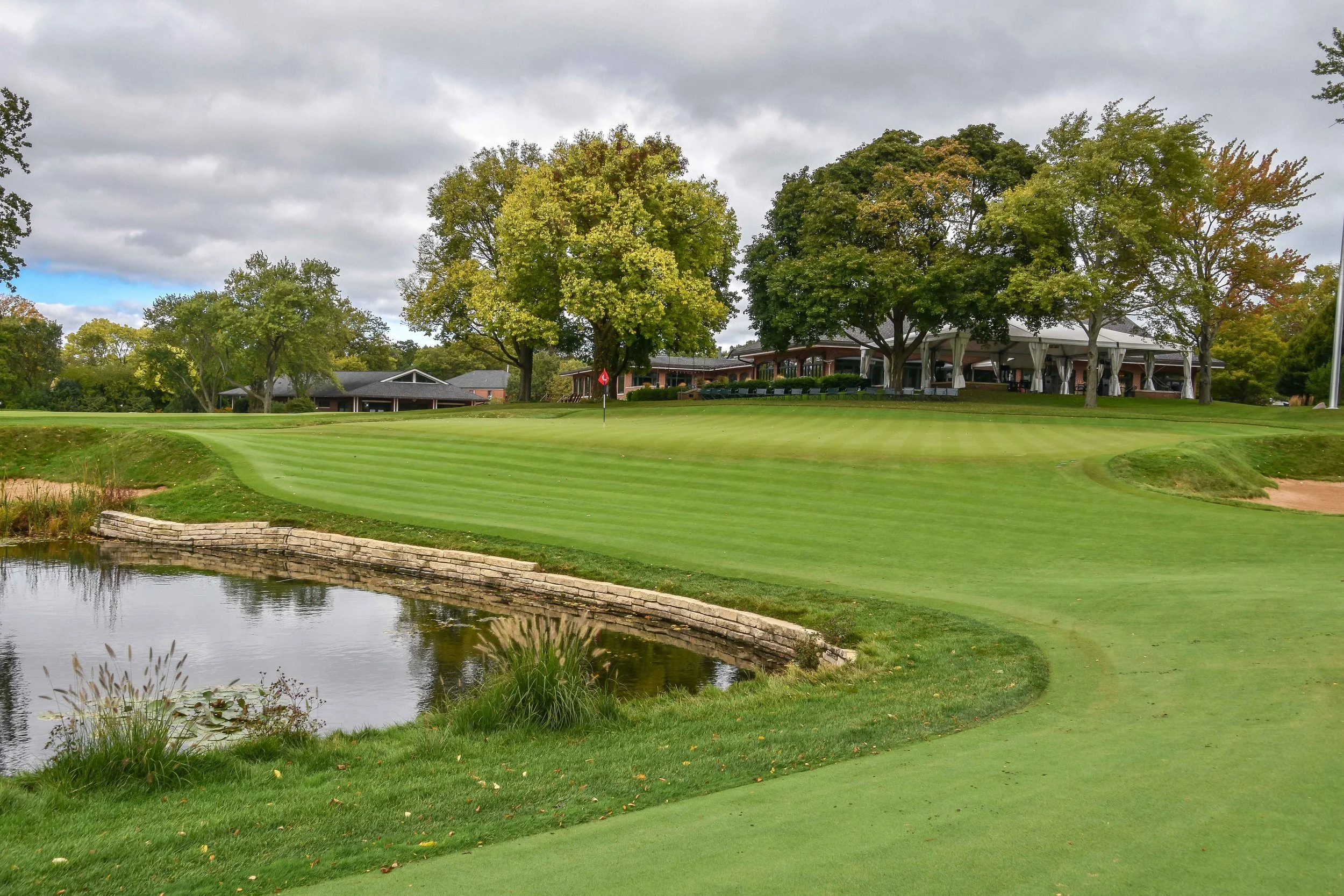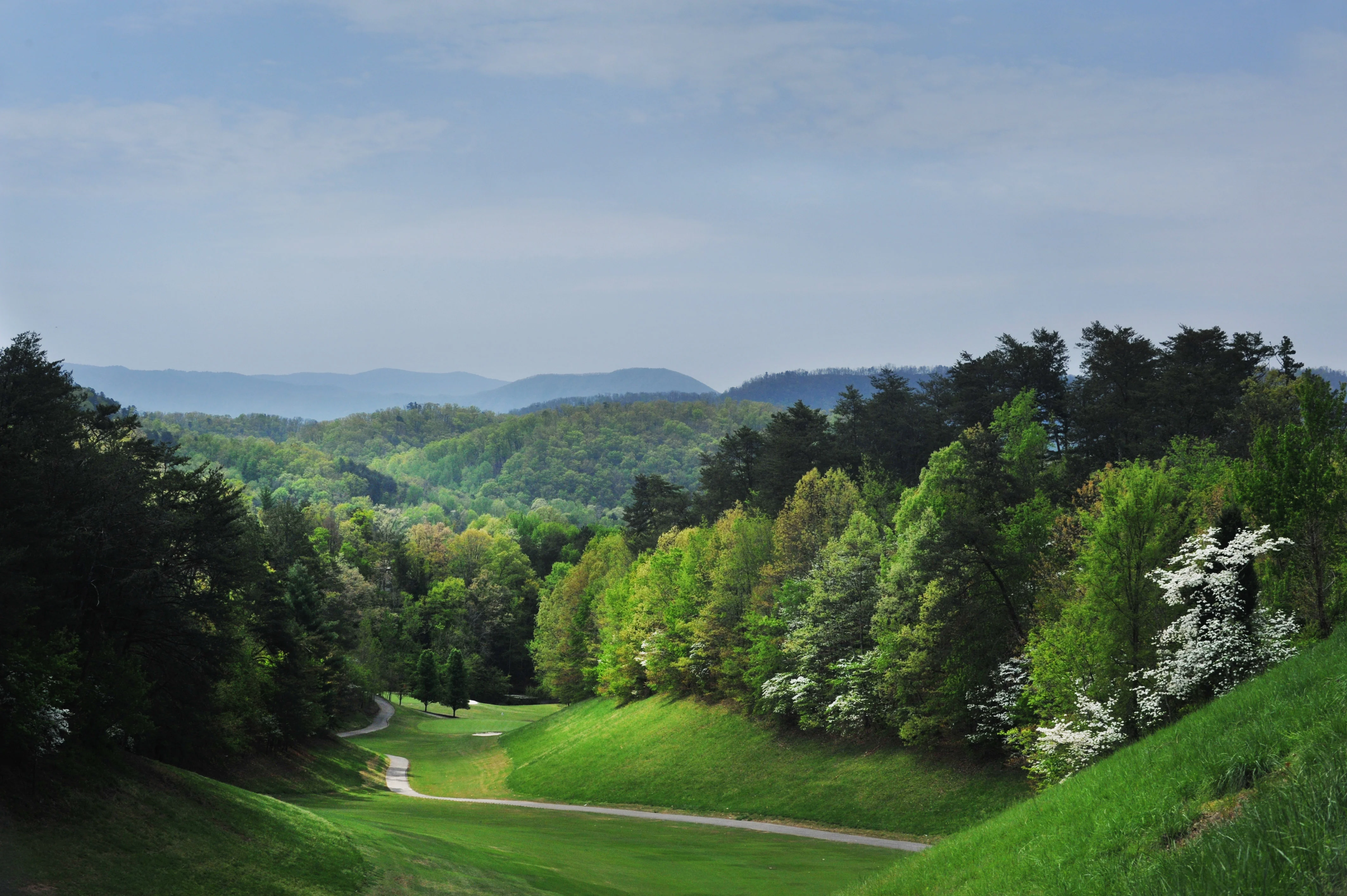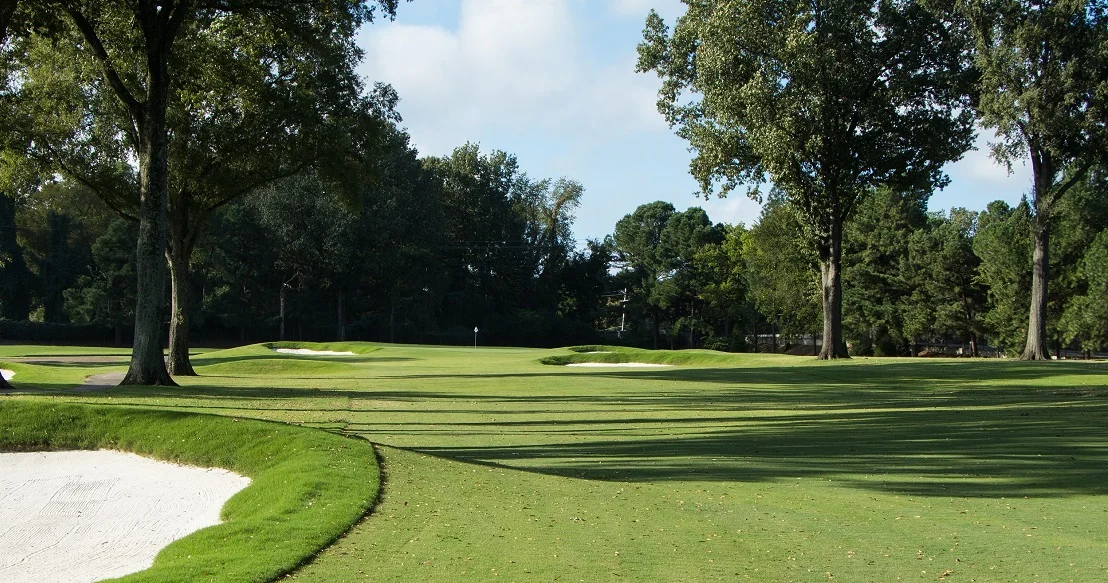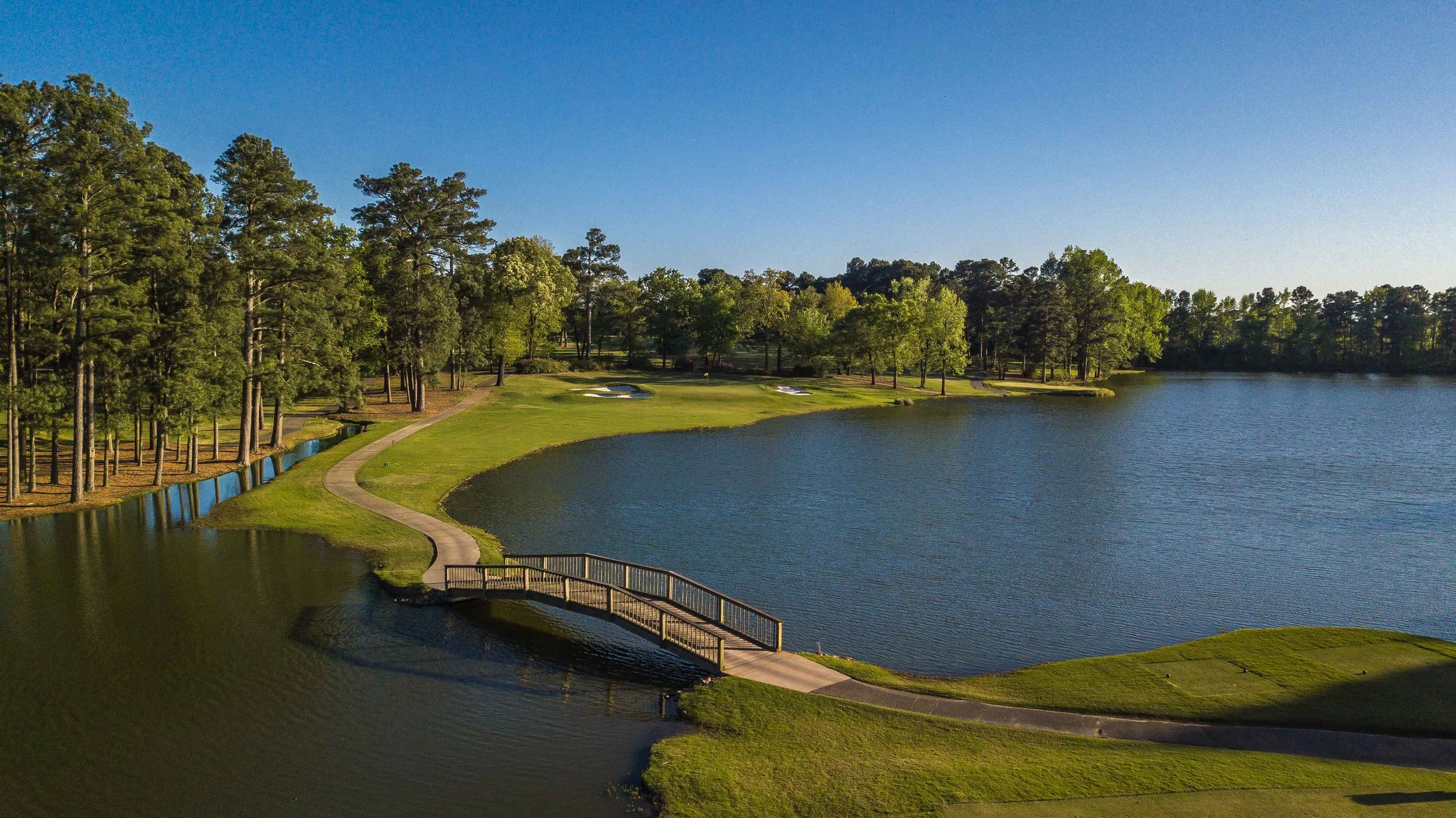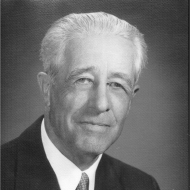


Langford started playing golf to rehabilitate from childhood polio, a therapy that led to his lifelong career in golf course architecture.
William Boice Langford (1887–1977) was an American golf course architect and civil engineer from Austin, Illinois. As a child, he suffered from polio and took up golf as part of his rehabilitation, which sparked a lifelong passion. He was a skilled golfer who played on Yale University's national championship teams and later earned a Master's degree in Mining Engineering from Columbia University.
Langford’s career in golf course design spanned roughly 50 years, mostly in partnership with engineer Theodore Moreau. Together, they designed and built over 200 courses primarily across the Midwest. Langford was known for bold, imaginative routing and distinctive features such as boldly contoured, plateau greens defended by deep bunkers. His courses often embraced the natural landforms, integrating ravines, hills, and valleys into visually pleasing and challenging layouts.
Langford believed in strategic course design that could accommodate players of all abilities by placing hazards so they could be avoided if a golfer played within their skill level. He promoted accessibility to golf, even proposing six-hole courses for busy working men, though this idea was never widely adopted. Several of his most notable designs include Wakonda in Des Moines, Lawsonia Links in Wisconsin, Minnehaha Country Club in South Dakota, and numerous other courses still revered today for their artistic and strategic qualities.
He was a founding member of the American Society of Golf Course Architects (ASGCA) in 1947 and served as its president twice. His meticulous construction techniques in the pre-bulldozer era contributed to the naturalistic appearance of his greens and bunkers, factors that continue to distinguish his work. He retired to Florida in the 1960s and passed away in 1977, leaving a legacy as one of the most influential architects of the golf Golden Age focused on creativity, strategy, and playability.
.webp)