

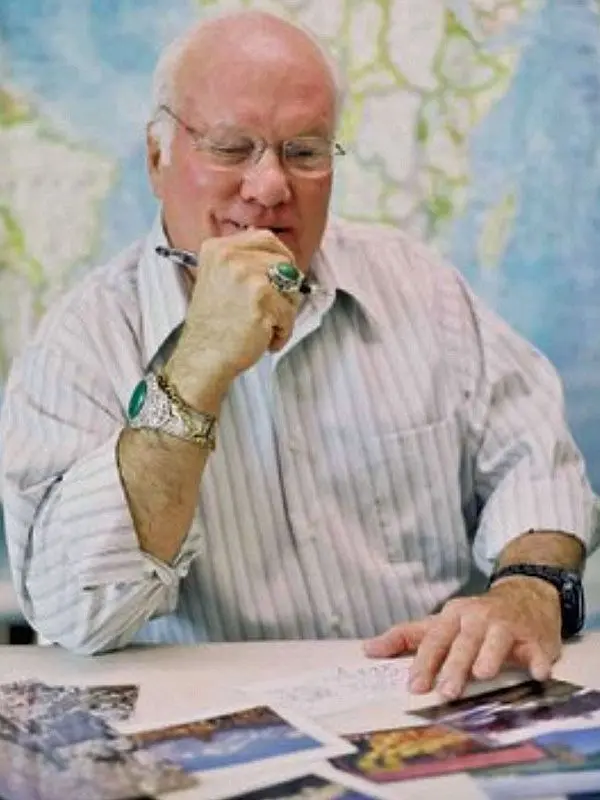
Ron Fream was hired by the Robert Trent Jones firm because of his profound knowledge of horticulture and turfgrass—he famously quipped that, unlike others, he knew "which end of a tree you put in the ground."
Ron Fream is one of golf’s great global explorers—an American architect whose work is found far more often in Asia, Africa, Europe and the Middle East than in his home country. Over five decades he and his Golfplan partners have produced more than 200 courses across some 60–65 countries, making him a key figure in the international spread of modern resort golf.
Early life and path into design
Ronald Warren “Ron” Fream was born in 1942 in Santa Rosa, California, and grew up in a state that was rapidly embracing golf and suburban development. He studied ornamental horticulture at Cal Poly Pomona, graduating in 1964, and then began graduate work in turfgrass management at Washington State University—an academic path that gave him a strong grounding in agronomy before he ever drew a routing plan.
In 1965, while still immersed in his turf studies, Fream was recruited to join Robert Trent Jones Inc., leaving university to work directly for one of the most prominent architects of the era. He spent roughly four years with Jones, gaining hands‑on experience in large‑scale, tournament‑ready course planning and construction. After that he worked as a construction superintendent for Robert F. Lawrence and as a design associate with Robert Muir Graves, giving him a rare combination of design, on‑site construction management and turf know‑how before striking out on his own.
Founding Golfplan and building a global portfolio
In 1972, Fream founded his own firm, Golfplan, in Santa Rosa, California, initially partnering with Terry Storm. Early on the firm collaborated with five‑time Open Champion Peter Thomson, along with Michael Wolveridge and John Harris, offering joint “worldwide golf architectural services” that immediately pushed Fream’s work far beyond the United States. Between 1972 and the late 1970s he was already involved in projects on multiple continents, including some of Golfplan’s first European designs at Nordcenter in Finland on the Gulf of Bothnia.
Over time Golfplan evolved into Golfplan – Fream, Dale & Ramsey, with partners David Dale and Kevin Ramsey joining to form one of the most prolific international design teams in golf. Various sources credit Fream and Golfplan with roughly 150–200 courses in more than 60 or 65 countries, with the majority located outside North America. Their work spans Scandinavia, France and Portugal in Europe; Tunisia, South Africa and other African nations; Indonesia, Vietnam, Japan and India in Asia; as well as Middle Eastern and Latin American projects.
Fream became particularly associated with emerging golf markets. He has spoken of making “35 or more round‑the‑world business trips,” often being one of the first American architects to set foot in countries where golf was newly developing and budgets were modest. That willingness to travel and adapt—to climates ranging from desert to tropical rainforest—cemented his reputation as a problem‑solver and pioneer rather than a purely luxury‑market designer.
Design philosophy and working style
Fream’s design philosophy is intensely site‑specific and market‑driven rather than stylistically rigid. He has described Golfplan’s approach as “market focused, site specific and user friendly,” emphasizing that each course must respond to the client’s target golfer, local climate, soils, and maintenance realities instead of repeating a fixed blueprint. This mindset suits the varied, often remote locations where he has worked, from dune deserts in Vietnam to coastal cliffs in South Africa and resort sites in Indonesia.
A strong agronomic background shapes his work. His turfgrass training and hands‑on construction experience mean he pays close attention to drainage, soil structure and grass selection, especially in countries with limited golf expertise. In India, for example, he has noted that Golfplan leans heavily on local hand labor and must provide detailed guidance on water sourcing and long‑term maintenance because many developers are building their first courses.
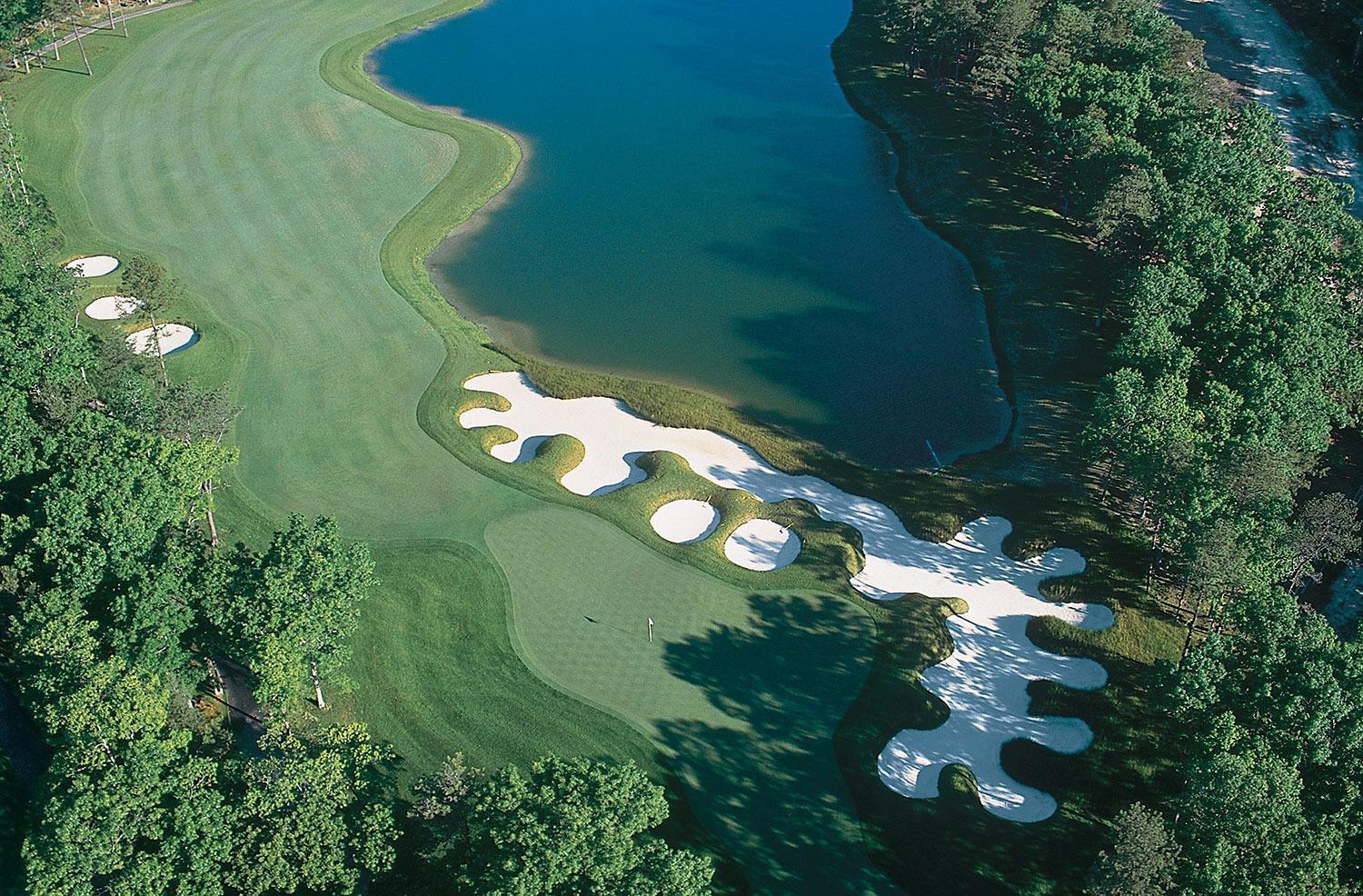
Stylistically, Golfplan under Fream is known for courses that are visually bold and lush—often resort‑oriented layouts with generous fairways, strong contouring and dramatic hazards that appeal to traveling golfers and destination markets. In a Golfclubatlas travel piece he wrote about Sea Links in Vietnam, Fream emphasized “bold, vertical and visual” shaping, instructing his on‑site supervisor that when a tall man could no longer see out of a bunker, “it is probably deep enough,” a telling example of his willingness to push features for drama and challenge.
At the same time, he has stressed that Golfplan does not simply “stamp” the same look everywhere. In interviews he has framed each project as a one‑off solution, shaped by local winds, vegetation and user expectations, whether that means a Scottish‑inspired links‑style layout in dunes or more garden‑like resort golf in a humid climate.
Notable courses and geographic reach
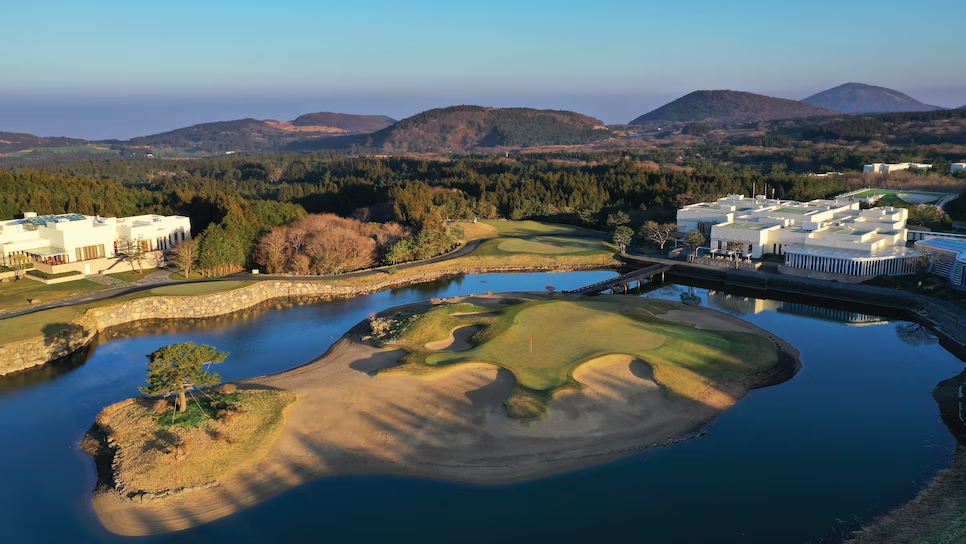
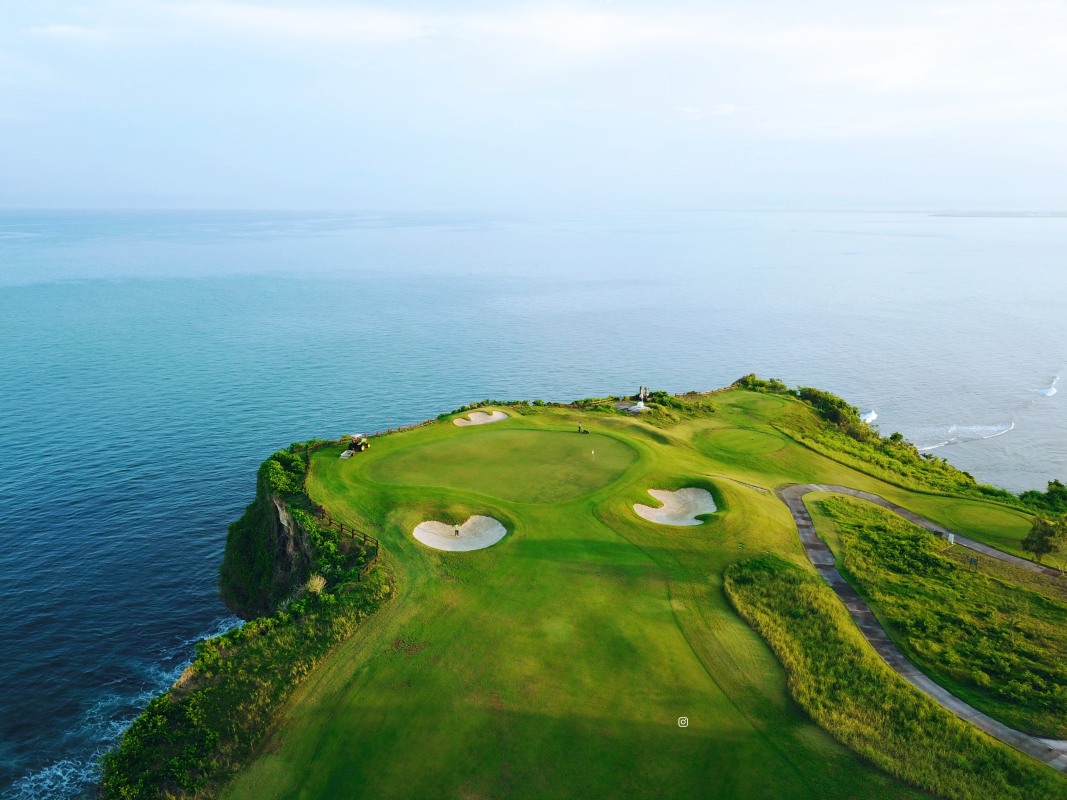
Given his global volume, Fream’s name is attached to an enormous range of courses, but a few stand out as particularly emblematic of his career. Planet Golf notes that Golfplan’s “best known” course is likely The Club at Nine Bridges on Jeju Island in South Korea, an acclaimed modern layout that regularly appears in world top‑course rankings and has hosted significant professional events. Another widely recognized design is Pezula Championship Course in Knysna, South Africa, an ocean‑cliff layout celebrated for its scenery but also challenged by surrounding housing constraints.
In Europe, Golfplan and Fream built one of their early reputations at Nordcenter Golf & Country Club in Finland, a 36‑hole facility on the Gulf of Bothnia that helped introduce American‑style championship golf to Scandinavia. The firm also designed or co‑designed several courses in France and Portugal, further broadening Fream’s European footprint.
Across Asia and the Pacific Rim, Fream’s work ranges from Indonesia and Japan to Vietnam and Malaysia. His 2008 Golfclubatlas article “Around the World in 76 Days” chronicles site visits to projects like Sea Links in Phan Thiet, Vietnam, a dunes course intended as “Asia’s most demanding Scottish links‑inspired championship course” and renovation and expansion work at Ponderosa Golf Resort and Impian Emas Golf Club in Johor Bahru, Malaysia. In these cases he balanced bold shaping with the realities of housing‑driven land plans and limited developer experience.
In North America, Fream has fewer headline courses, but examples such as RiverLakes Ranch Golf Club in Bakersfield, California, illustrate his roots and ongoing interest in his home market. That club describes him as a “product of the Robert Trent Jones team” who returned to design a playable, community‑oriented layout after decades abroad.
Influence, mentorship and writing
Beyond built courses, Fream has influenced the profession through mentorship and prolific writing. Tee Times notes that he has written more than 100 technical and opinion articles for golf industry publications, sharing insights on topics like international development, turf management and course operation in emerging markets. His willingness to explain the realities of design, construction and maintenance has made him a resource for developers and fellow architects alike.
Fream also mentored younger designers who have since formed their own firms. George Philpott, for example, credits early‑career experience at Golfplan under Fream’s guidance, working in “unique environments all over the globe”—with shaping his own international outlook before founding Legacy Golf Course Architecture in 2014. Within Golfplan itself, partners David Dale and Kevin Ramsey have carried forward the firm’s global practice, with Planet Golf noting that Fream appears to have stepped back in recent years, leaving daily design leadership to them.
This legacy of mentorship and knowledge‑sharing is particularly important in countries where local golf architecture traditions are still forming. Fream has emphasized that in places like India, many developers are on their first golf project, so a large part of his role is educational—helping clients understand issues from water sourcing and topsoil conservation to realistic maintenance budgets and golfer expectations.
Interesting facts and enduring legacy
Several details highlight just how unusual Ron Fream’s career has been. Unlike many American architects whose portfolios are concentrated at home, “the great majority” of his courses are outside North America, and his project list effectively traces a map of golf’s expansion into new regions from the 1970s onward. His travels have included dozens of round‑the‑world trips, frequently to locations that had never previously seen an American architect on site.
Fream’s background sets him apart as well: he is one of the relatively few high‑volume designers whose roots lie as much in horticulture and turf science as in pure design. That combination, plus early apprenticeships with figures like Robert Trent Jones and Robert Muir Graves, means his projects reflect an awareness of both playing strategy and long‑term agronomic sustainability, even in climates where golf is a new experiment.
Today, Golfplan promotes its portfolio as “hundreds of award‑winning courses” and continues to market Fream as the firm’s founding figure, even as day‑to‑day concept work increasingly involves his partners. For golfers, planners or SEO‑driven course directories, his name is especially relevant when looking at international resort golf from the late twentieth century onward: from Nine Bridges in Korea and Pezula in South Africa to coastal Vietnamese dunes, you’re often looking at the work of Ron Fream, the California‑born architect who made the world his routing plan.
.webp)