



ARCHITECTS

Course info
Score
Difficulty
Weather
Price

Course Report
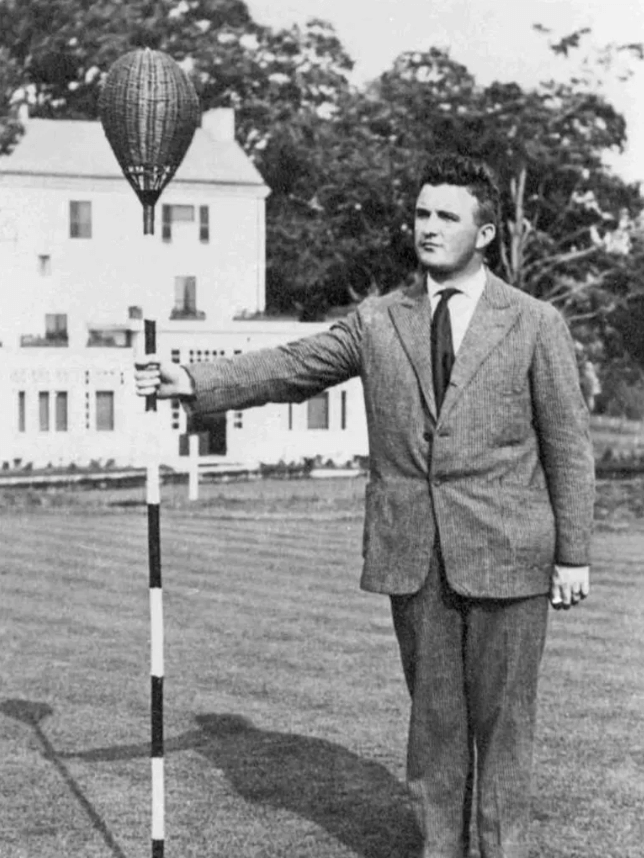
The Pepper Pike Club in Ohio (also known simply as The Country Club) is that it played a significant role in golf history due to its member Coburn Haskell, who invented the first rubber-cored, rubber-wound golf ball. This innovation dramatically changed the game by allowing the ball to fly straighter and longer than previous gutta-percha balls.
About
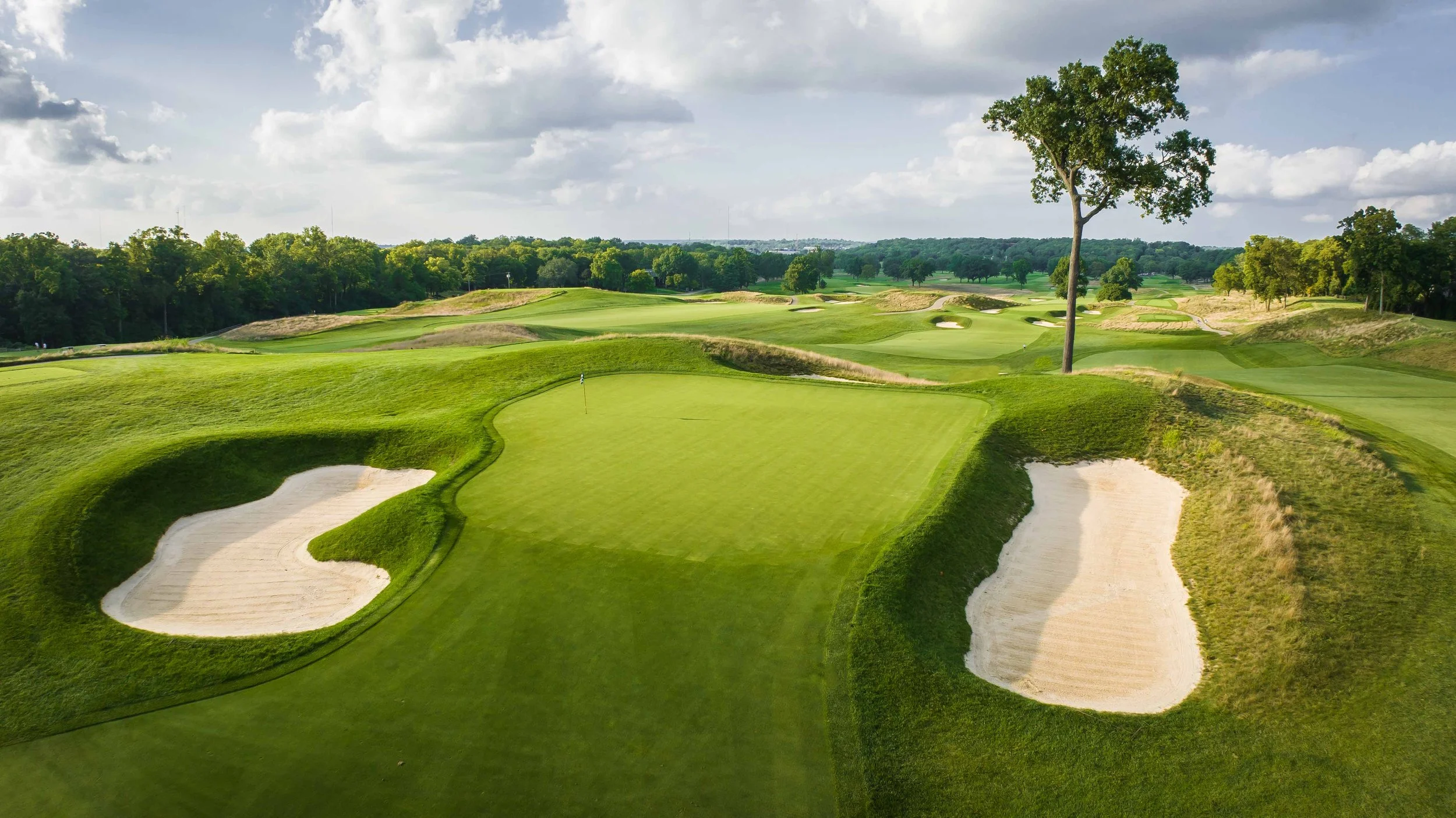
Pepper Pike Club is a private, traditional parkland golf course established in 1924 and designed by renowned architect William S. Flynn, with input from Howard C. Toomey. Featuring Bentgrass fairways and greens, the course offers a classic tree-lined layout, strategic bunkering, and a walkable design, emphasizing shot-making and traditional aesthetics in a tranquil Ohio setting.
Caddie Tip
Stay below the hole on fast, sloping Bentgrass greens, and pay extra attention to doglegs and fairway placement. The course rewards careful shot selection off the tee and a conservative approach to tricky pins, especially on approach shots where missing on the safer side avoids tough up-and-downs.
The Main Challenge
The undulating greens, clever bunkering, and tight tree-lined fairways force golfers to stay disciplined throughout the round. Strategic tee shots and accurate approaches are a must, as missing fairways or greens can quickly lead to bogeys. The course’s subtle elevation changes add another layer of difficulty.
The Good
Golfers frequently praise the impeccable course maintenance, the thoughtful and challenging design by William S. Flynn, and the quiet, secluded atmosphere. Members value the club’s low-key exclusivity and the walkable layout, which allows for intimate, unhurried rounds with friends or family.
The Not So Good
As with many older parkland courses, players sometimes note that tree density can lead to challenging lies or blocked shots. Others wish for more modern amenities in the clubhouse or updated practice facilities to match the high caliber of the course itself.
Signature Hole:
#
18
The 18th hole is a challenging par 4 that finishes just steps from the clubhouse veranda, demanding a well-placed tee shot followed by an accurate approach over a brook to an elevated, well-bunkered green. Its scenic finish and architectural merit make it memorable for members and guests alike.
Clubhouse
A classic clubhouse provides locker rooms, a lounge, and food and beverage service with a bar and light snacks. Social spaces are intimate and understated, matching the quiet, private club atmosphere rather than offering lavish resort amenities.
Practice Facilities
The club offers a full driving range, dedicated pitching and chipping area, and a large putting green. Instruction from PGA professionals is available. While functional and well-kept, facilities are traditional and focus on golf fundamentals rather than resort-style amenities.
Dress Code:
Standard
No dress code enforced. All attire is permitted.
Collared shirts not required. Clean, athletic or golf-appropriate casual wear is acceptable.
Collared shirts required. No denim, gym wear, or overly casual clothing.
Collared shirts must be tucked in; no cargo or athletic shorts. No hats indoors.
Elite club standards; jackets required indoors, no changing shoes in the parking lot, and specific attire rules based on the area of the facility.

.avif)

.png)

%20Gl%204.avif)

.png)