


ARCHITECTS

Course info
Score
Difficulty
Weather
Price

Course Report
The Ocean Course was originally designed with many holes sitting slightly behind the natural dune line, but Alice Dye pushed Pete to raise the fairways and greens so golfers could actually see the Atlantic from almost every hole, fundamentally changing how exposed the course feels to the wind.
About
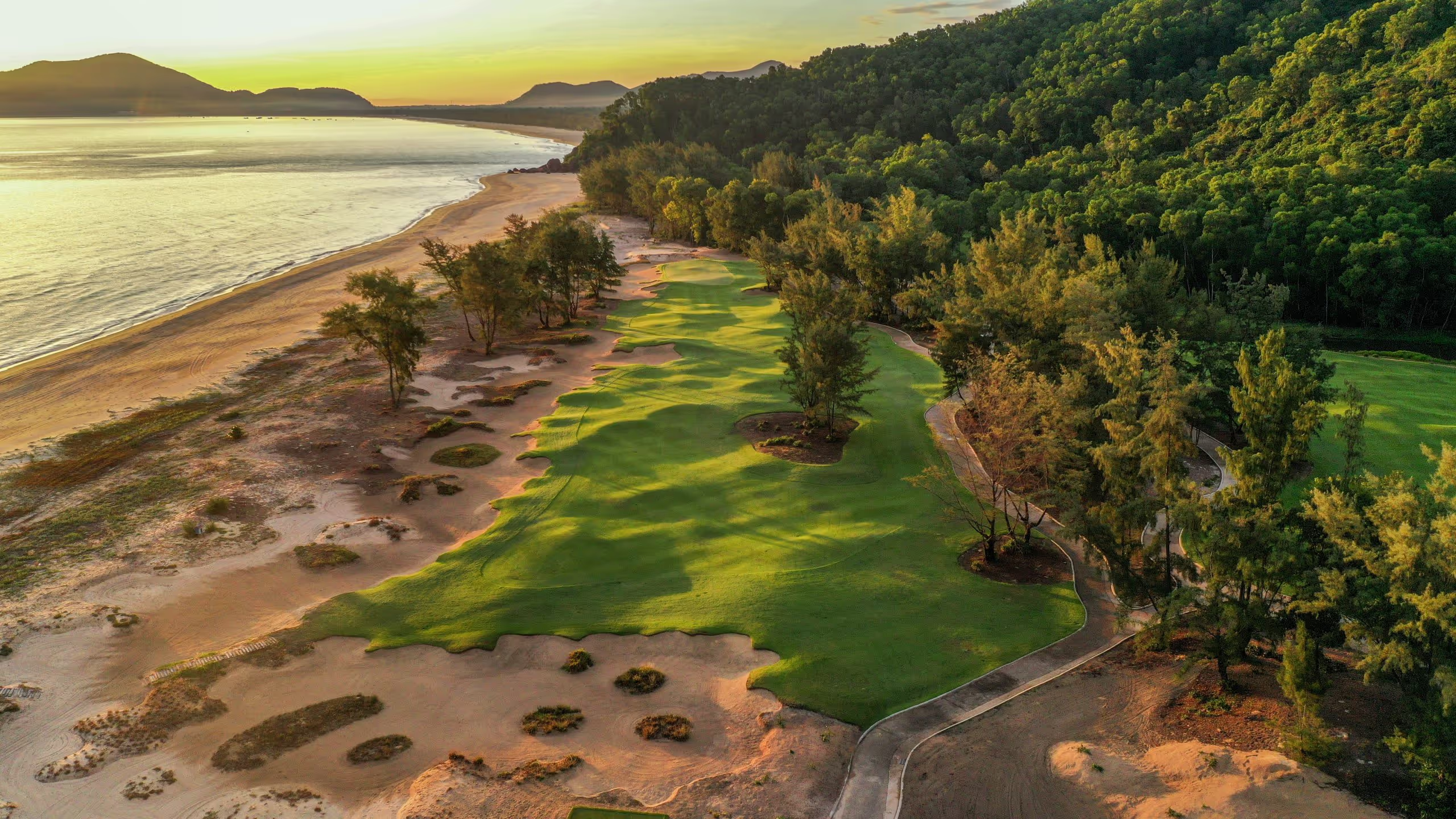
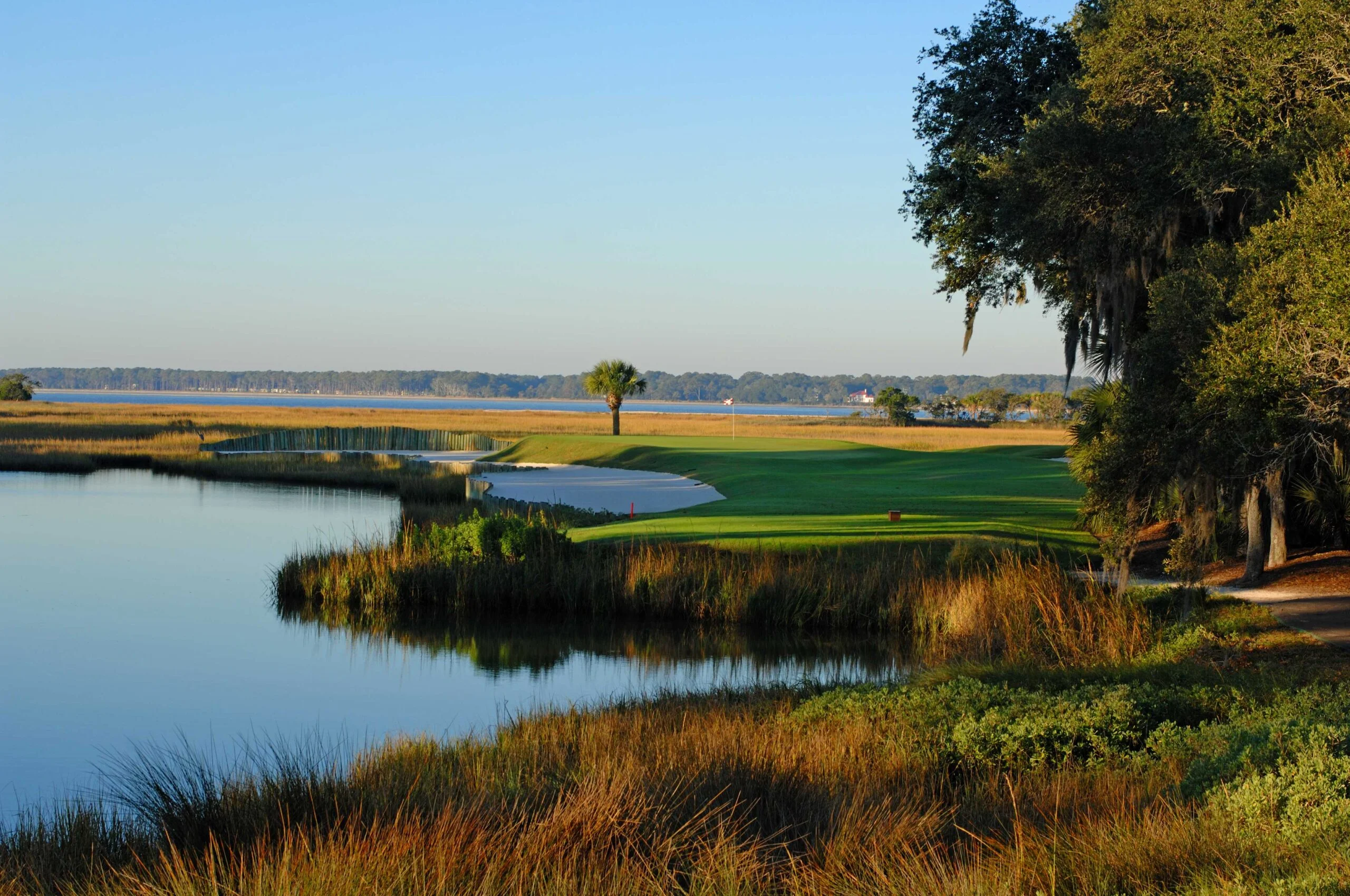
The Ocean Course at Kiawah Island, designed by Pete and Alice Dye, is one of golf’s most awe-inspiring championship venues, stretching more than 7,800 yards along the windswept South Carolina coast. With ten holes hugging the Atlantic and views from every fairway, the course is a modern American links with raw, natural beauty and a punishing reputation. Host of multiple majors, including the Ryder Cup and PGA Championships, its exposed layout, rolling dunes, and relentless wind make every round a formidable test. Each hole is shaped by the untamed elements, providing not just a sporting challenge but a sensory experience unlike anywhere else in the U.S.
Caddie Tip
Trust the yardage but allow extra club for wind direction, especially on holes that play directly into the Atlantic breeze. Focus on aiming for the center of greens and keep approaches below the hole; the unpredictable gusts often make club selection and trajectory control the most critical challenges.
The Main Challenge
The greatest challenge lies in navigating the relentless and changeable wind, which creates dramatic swings in playing difficulty from day to day. Narrow fairways, penal bunkers, and elevated greens punish poor shots, demanding precise course management and unerring accuracy, especially on closing holes along the ocean.
The Good
Golfers rave about the course’s stunning views, proximity to the Atlantic Ocean, and world-class challenge. The constant presence of coastal winds ensures every round feels distinct, with the sound of ocean waves creating a memorable atmosphere and elevating the championship-caliber layout.
The Not So Good
Common complaints include the difficulty imposed by persistent winds, which can turn enjoyable rounds into a grind for higher handicaps. Some also cite high green fees and course accessibility—tee times are generally limited to resort guests, and walking-only play can be physically demanding.
Signature Hole:
#
17
Hole 17 is a dramatic par 3 playing over water to a shallow peninsula green directly exposed to the Atlantic wind. Stretching up to 221 yards, the hole demands both precision and nerve, especially with swirling gusts and the course’s signature intimidating bunkers framing the green.
Clubhouse
The 24,000-square-foot clubhouse includes the Ryder Cup Bar for casual dining, the Atlantic Room fine dining restaurant, fully stocked locker rooms, a pro shop, and sweeping verandas with ocean views. Service and amenities are premium, matching the reputation of a renowned championship venue.
Practice Facilities
The facility offers an expansive all-grass driving range, dedicated short game areas for bunker and chipping practice, and spacious putting greens. The range and practice areas are maintained to the same high standards as the course surfaces, ensuring players can fully prepare for challenging rounds.
Dress Code:
Standard
No dress code enforced. All attire is permitted.
Collared shirts not required. Clean, athletic or golf-appropriate casual wear is acceptable.
Collared shirts required. No denim, gym wear, or overly casual clothing.
Collared shirts must be tucked in; no cargo or athletic shorts. No hats indoors.
Elite club standards; jackets required indoors, no changing shoes in the parking lot, and specific attire rules based on the area of the facility.
.avif)

.png)
%20%236.jpg)

.png)