
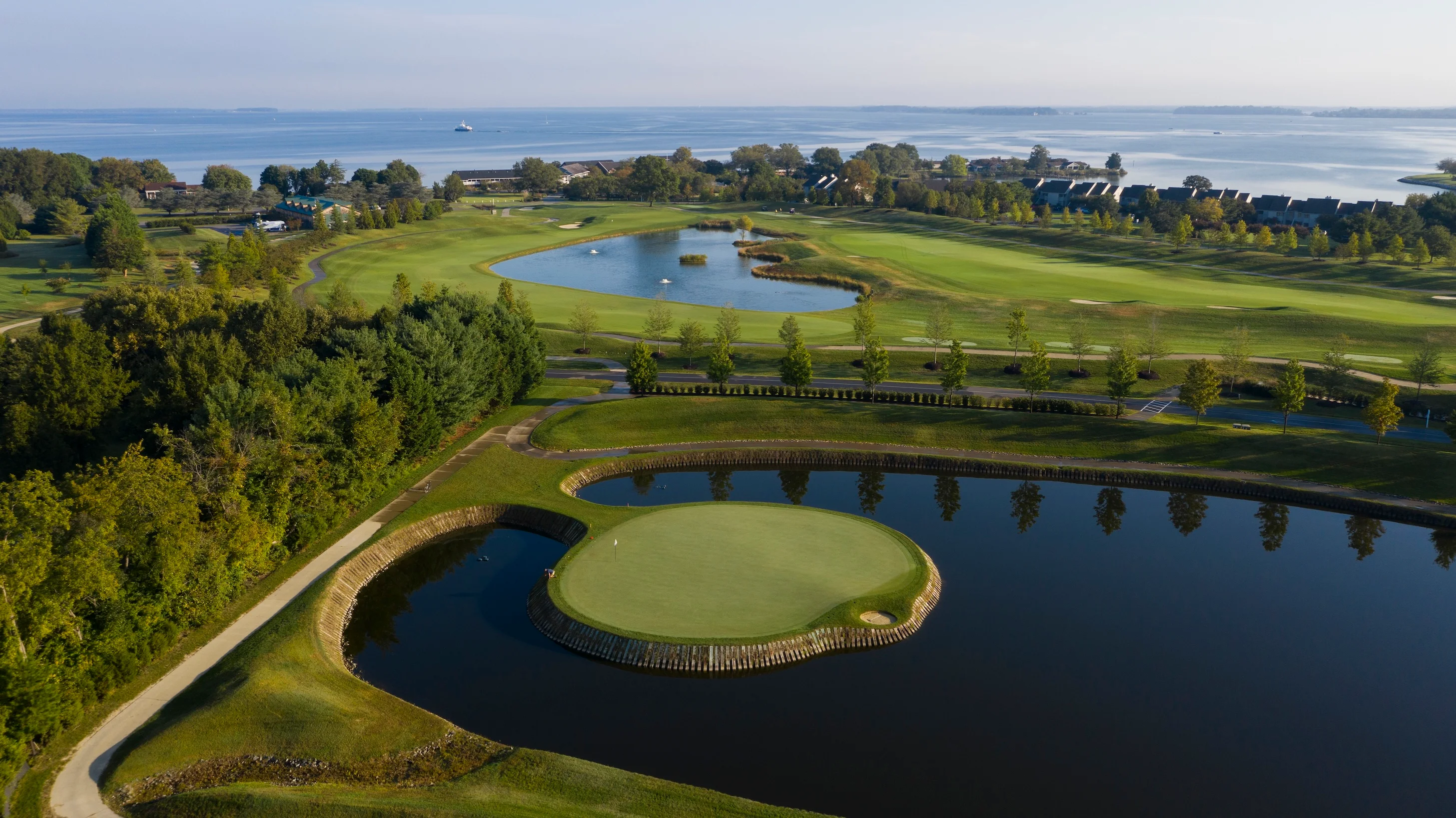
Pete Dye is famous for designing the “world’s most terrifying tee shot” — the par-3 17th island green at TPC Sawgrass, which has become one of golf’s most iconic holes.
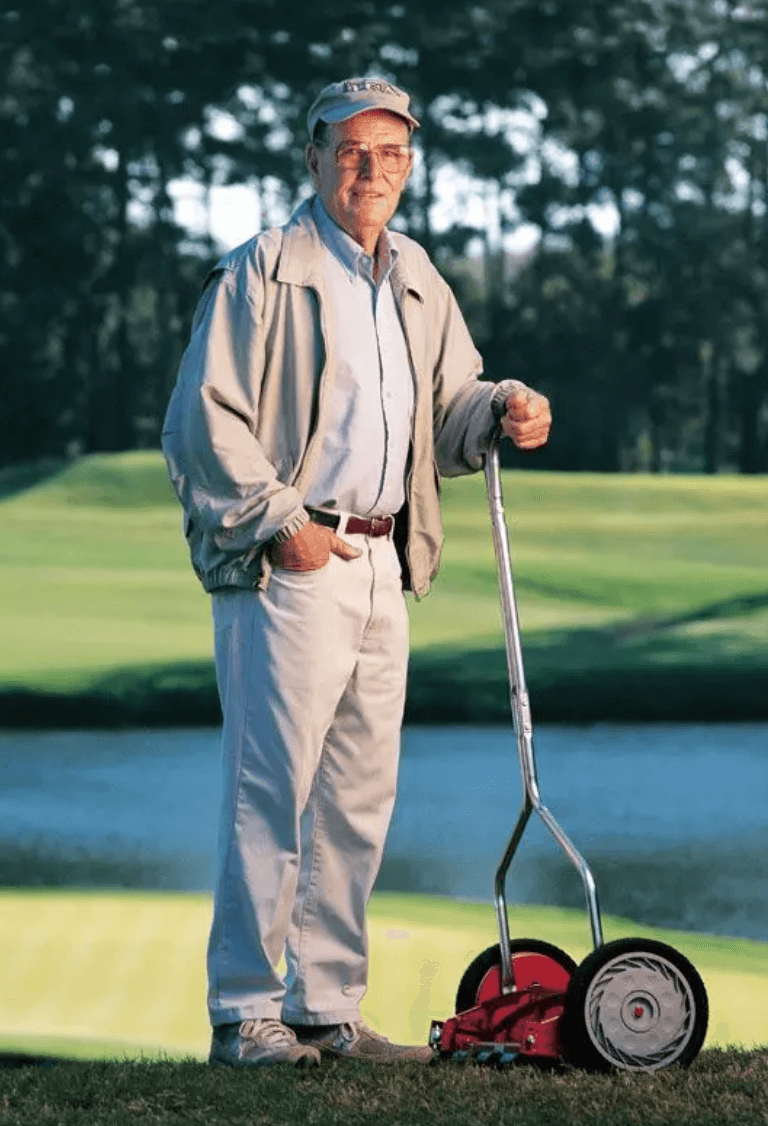
Pete Dye was one of golf's most revolutionary and influential architects, a Midwesterner whose bold innovations reshaped modern course design worldwide. Famous for railroad ties, island greens and strategic menace, he created iconic venues like TPC Sawgrass and Whistling Straits that host majors while inspiring generations of designers.
Early life and Indiana roots
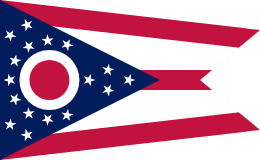
Paul "Pete" Dye Jr. was born on December 29, 1925, in Urbana, Ohio, to parents deeply involved in golf. His father, Paul Sr., designed and built a nine hole course on the family farm, sparking Pete's lifelong fascination with architecture. The family later moved to Indiana, where Pete grew up playing and tinkering with the game.
He attended Rollins College briefly, then served in the Army during World War II. Back home, Dye worked in insurance in Indianapolis while competing as a low handicap player. He won the 1958 Indiana State Amateur, qualified for five U S Amateurs and the 1957 U S Open, finishing ahead of Arnold Palmer and Jack Nicklaus. His wife Alice, a champion golfer herself, became a key collaborator.
Pivotal Scotland trip and early designs
In 1959, Dye quit insurance to pursue architecture full time. His first project was El Dorado, a nine hole course south of Indianapolis now part of Royal Oak Country Club. In 1962 came his first 18 hole layout, Heather Hills, later renamed Maple Creek.
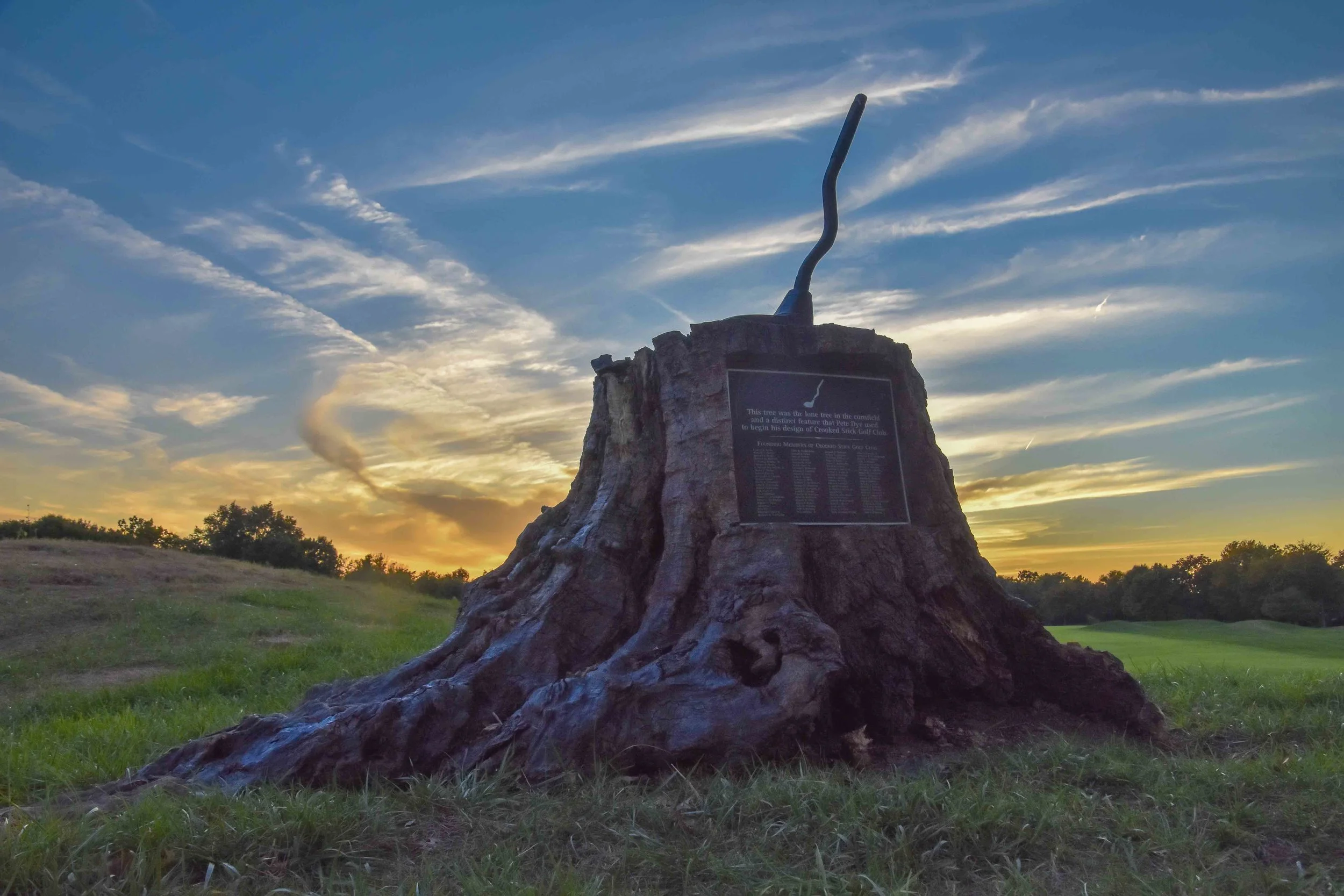
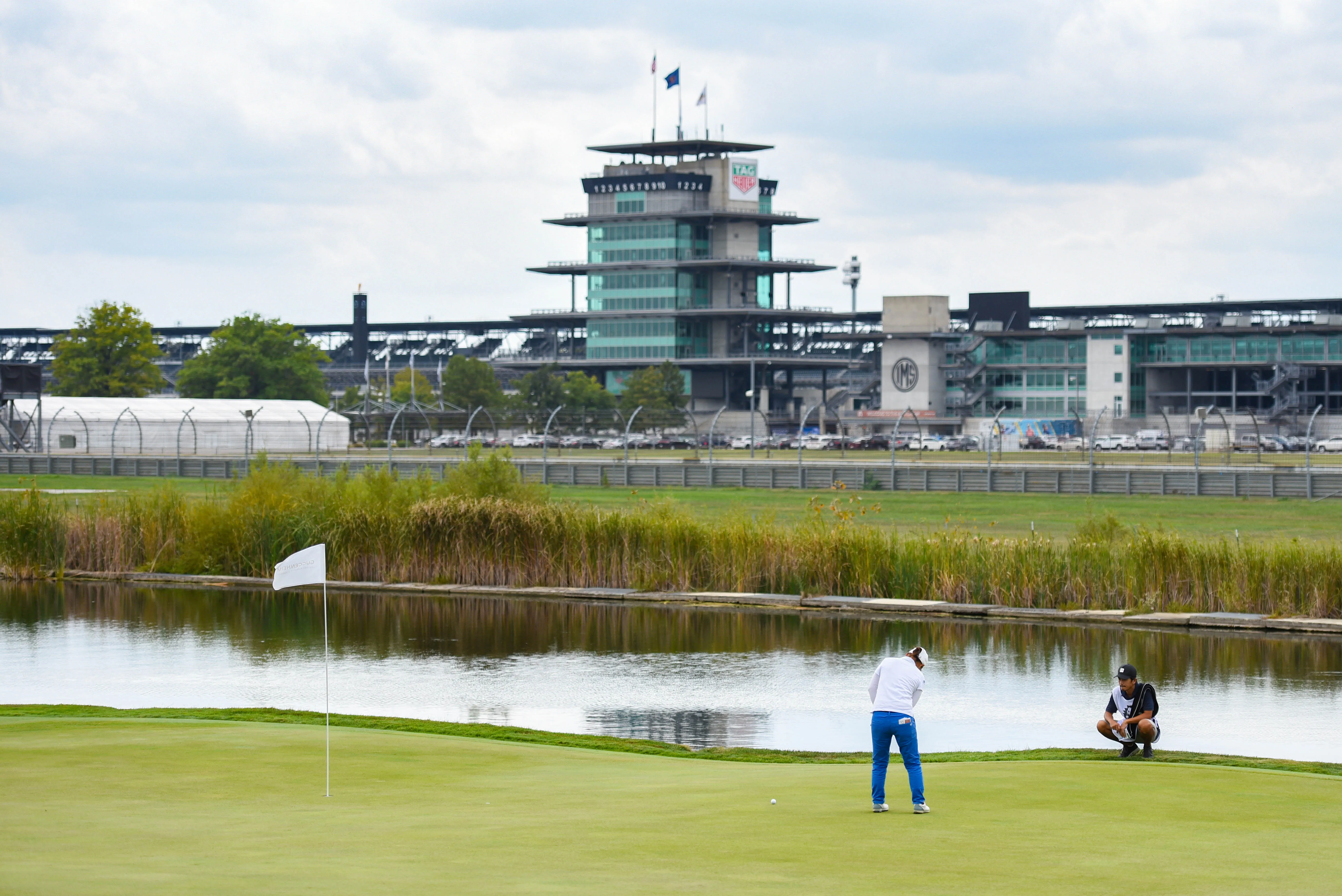
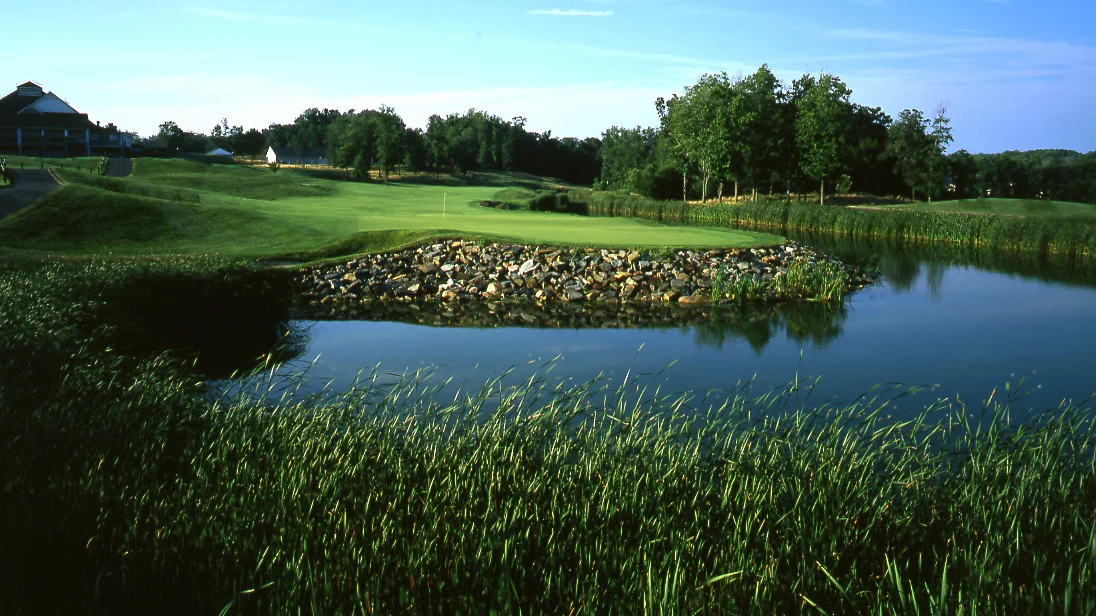
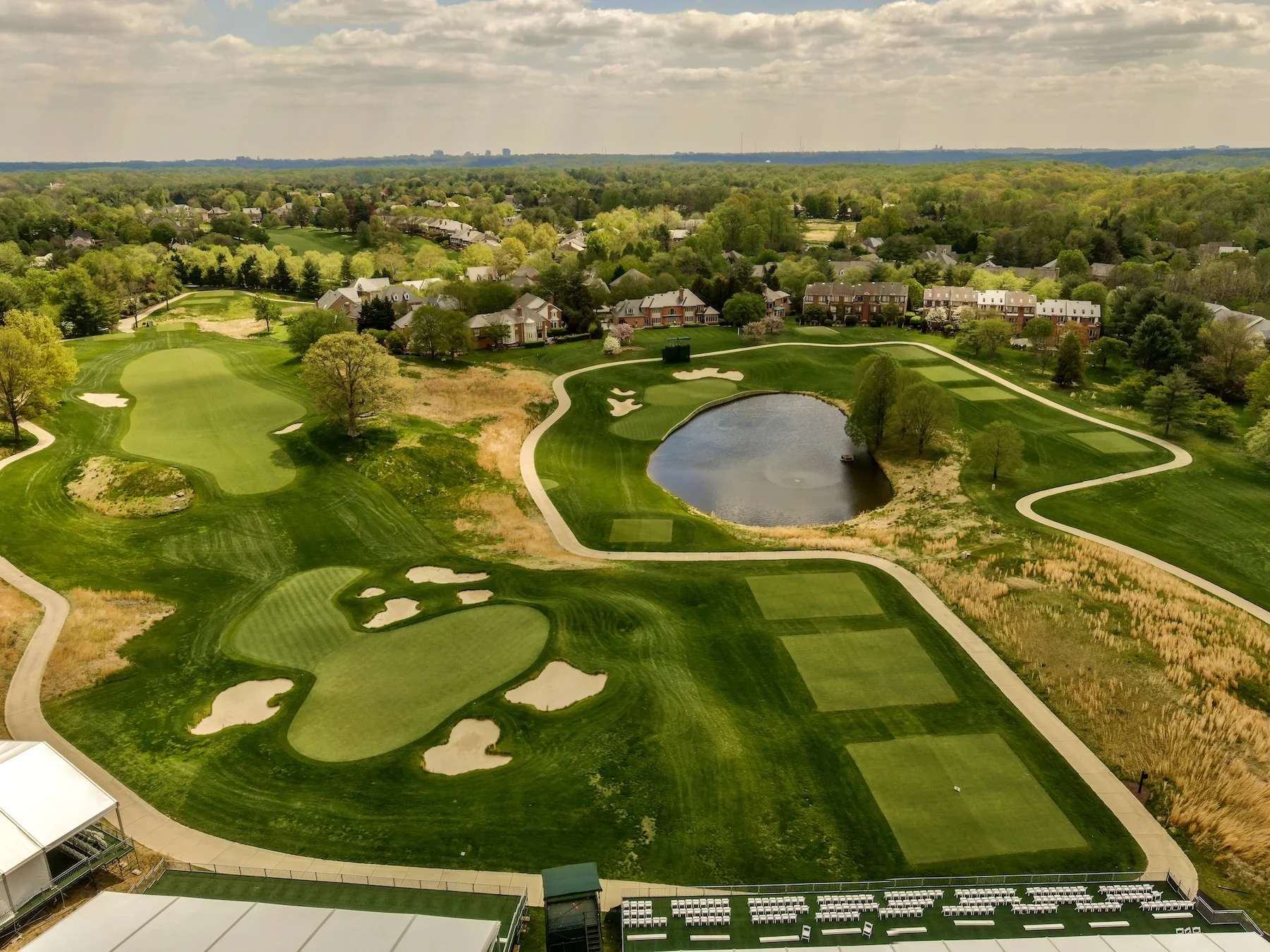
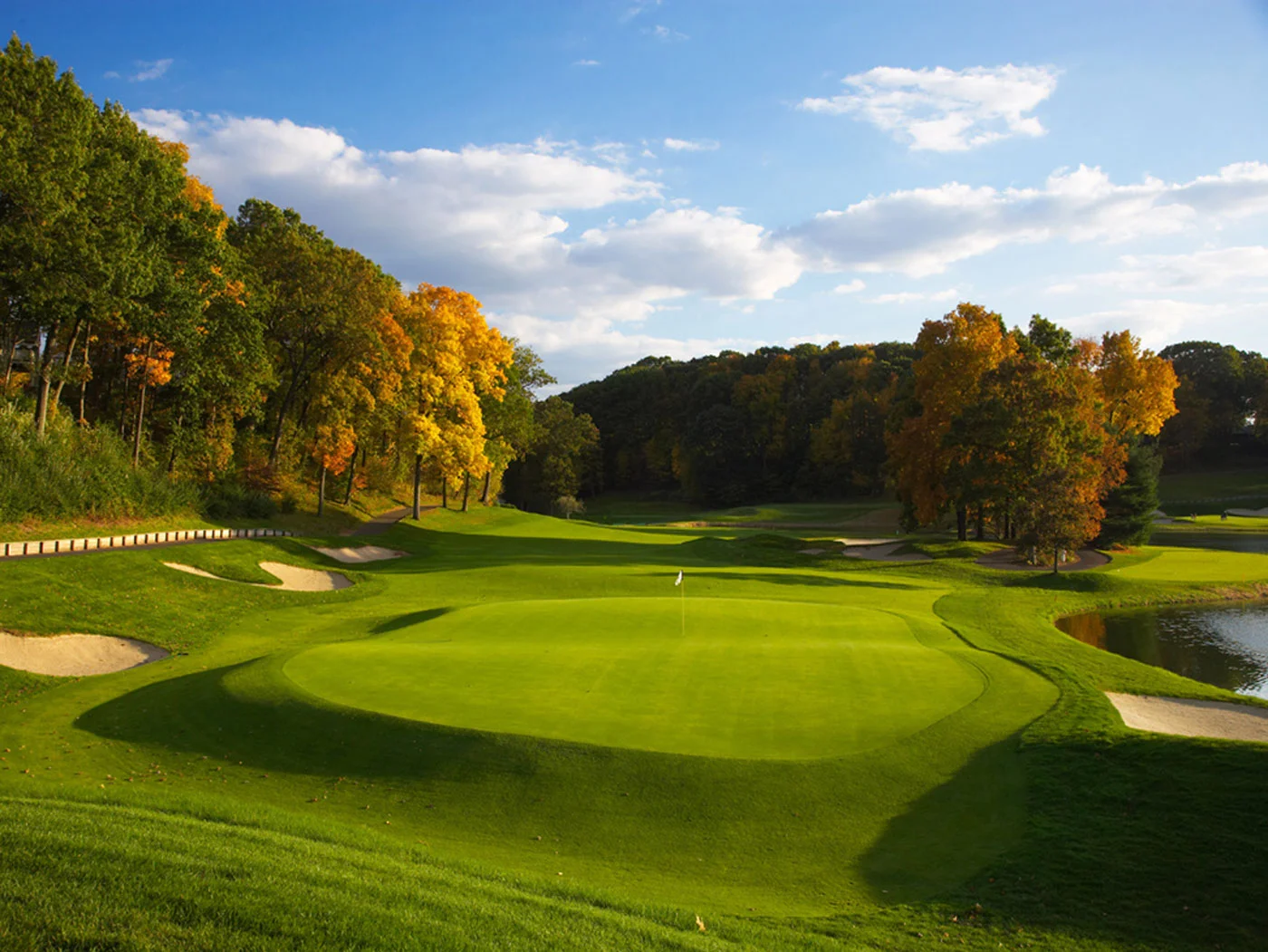
A transformative 1963 trip to Scotland with Alice changed everything. Inspired by rugged links like Carnoustie and Royal Troon, Dye adopted small greens, deep pot bunkers and natural hazards. Crooked Stick Golf Club in 1964 marked his breakthrough, hosting the 1991 PGA Championship and 1993 U S Women's Open.
Design philosophy and signature style
Dye's philosophy evolved from classic restraint to dramatic, psychological warfare. Early work emphasized strategic routing and minimalism, but post Scotland he introduced penal elements softened by options. He favored "angular routing" over detailed plans, allowing shapers like Tim Liddy to add artistry on site.
Key signatures include:
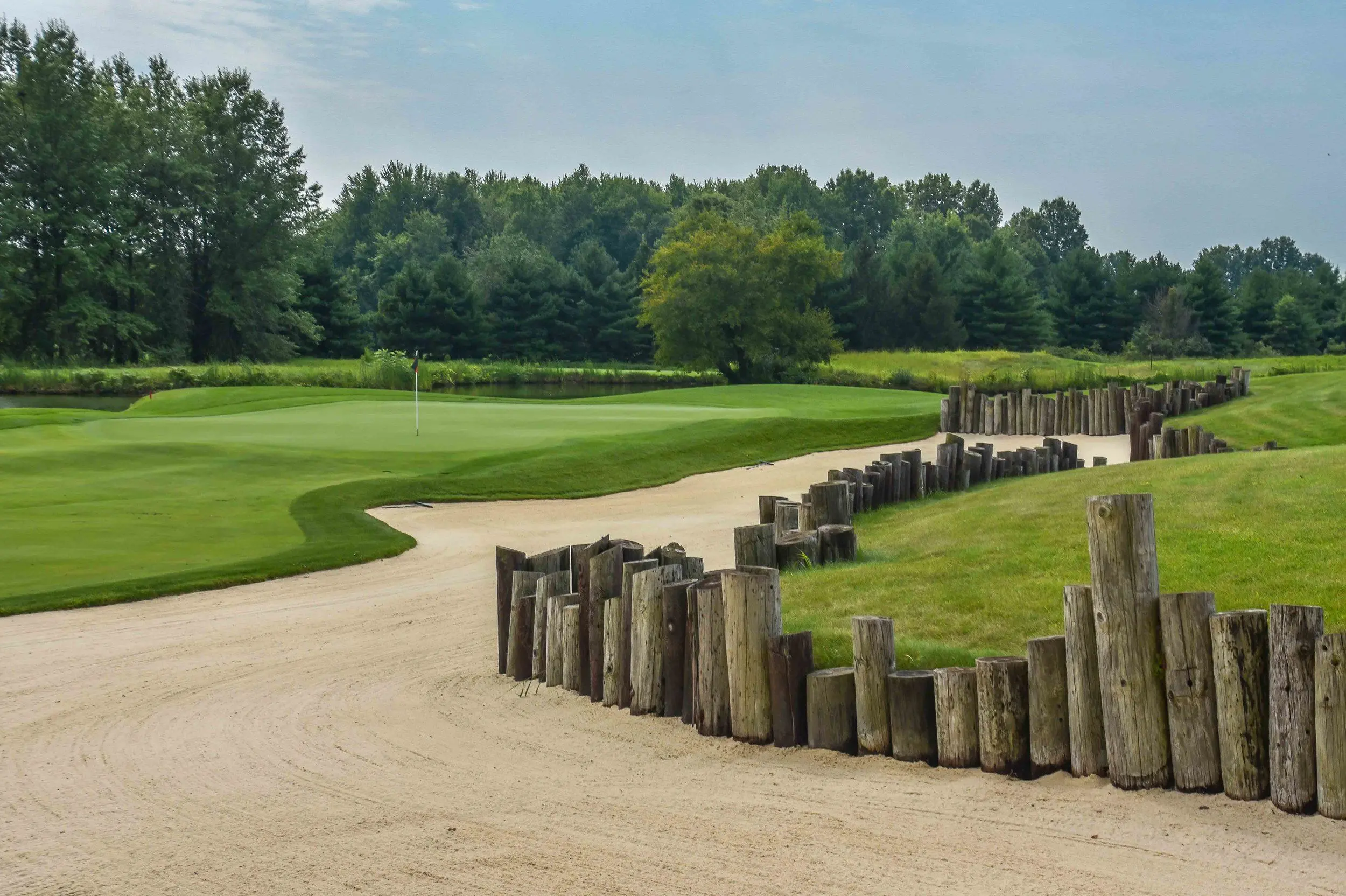
- Railroad ties for bunker walls, tees and chipping areas, adding industrial edge and definition.
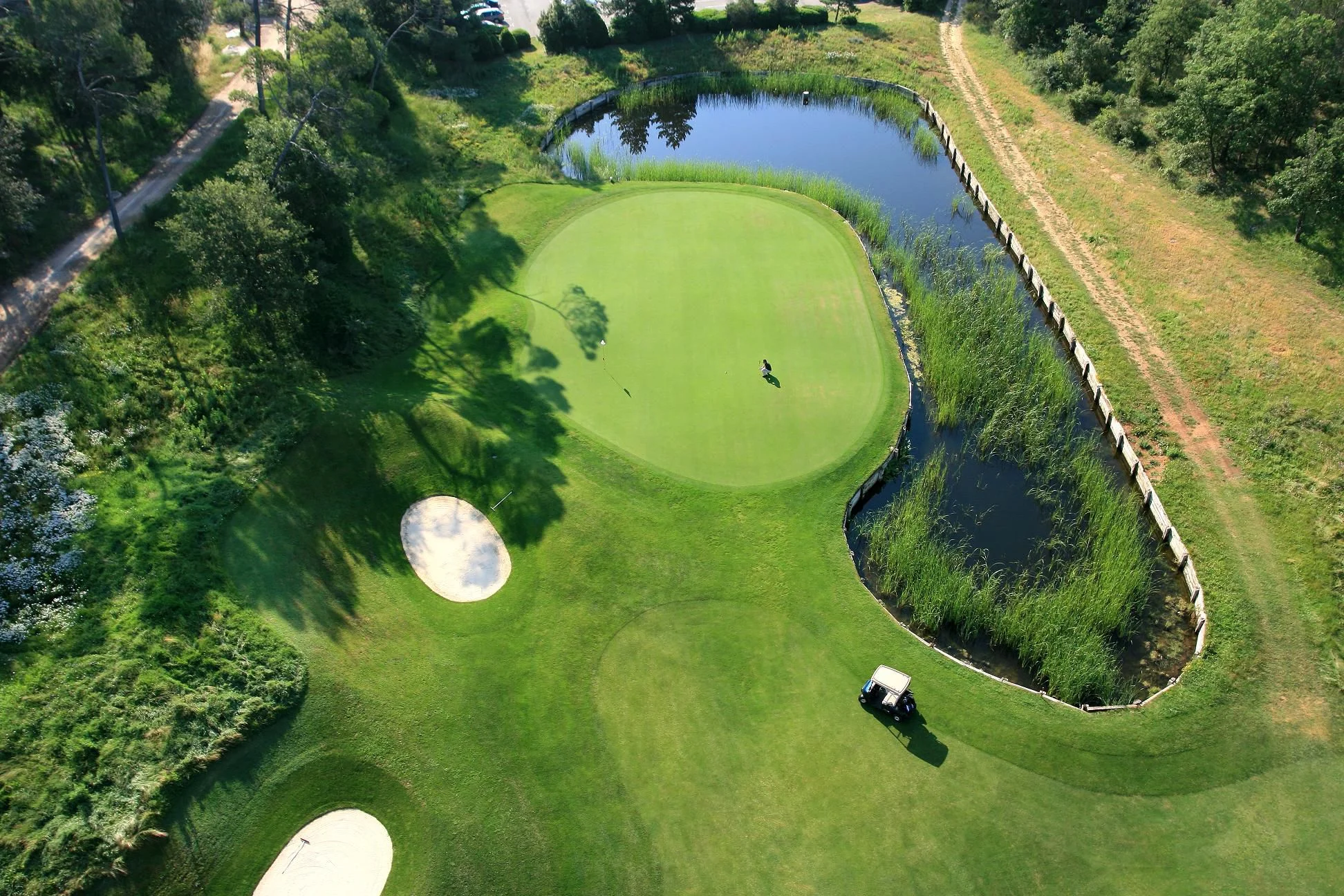
- Island greens like Sawgrass 17, creating high drama and mental pressure.
- Small, severely contoured greens with run offs punishing mishits.
- Waste areas, short par 4s and bold carries rewarding precise play.
Later designs incorporated sustainability, native grasses and firm conditions promoting ground game.
Notable courses
Dye designed over 170 courses, many hosting majors. Highlights:
- TPC Sawgrass, Stadium Course, Ponte Vedra Beach, Florida
Built in 1980 as the PGA Tour's first "stadium" course, its 17th island green is golf's most famous hole. Hosts The Players Championship annually. - Teeth of the Dog, Casa de Campo, Dominican Republic
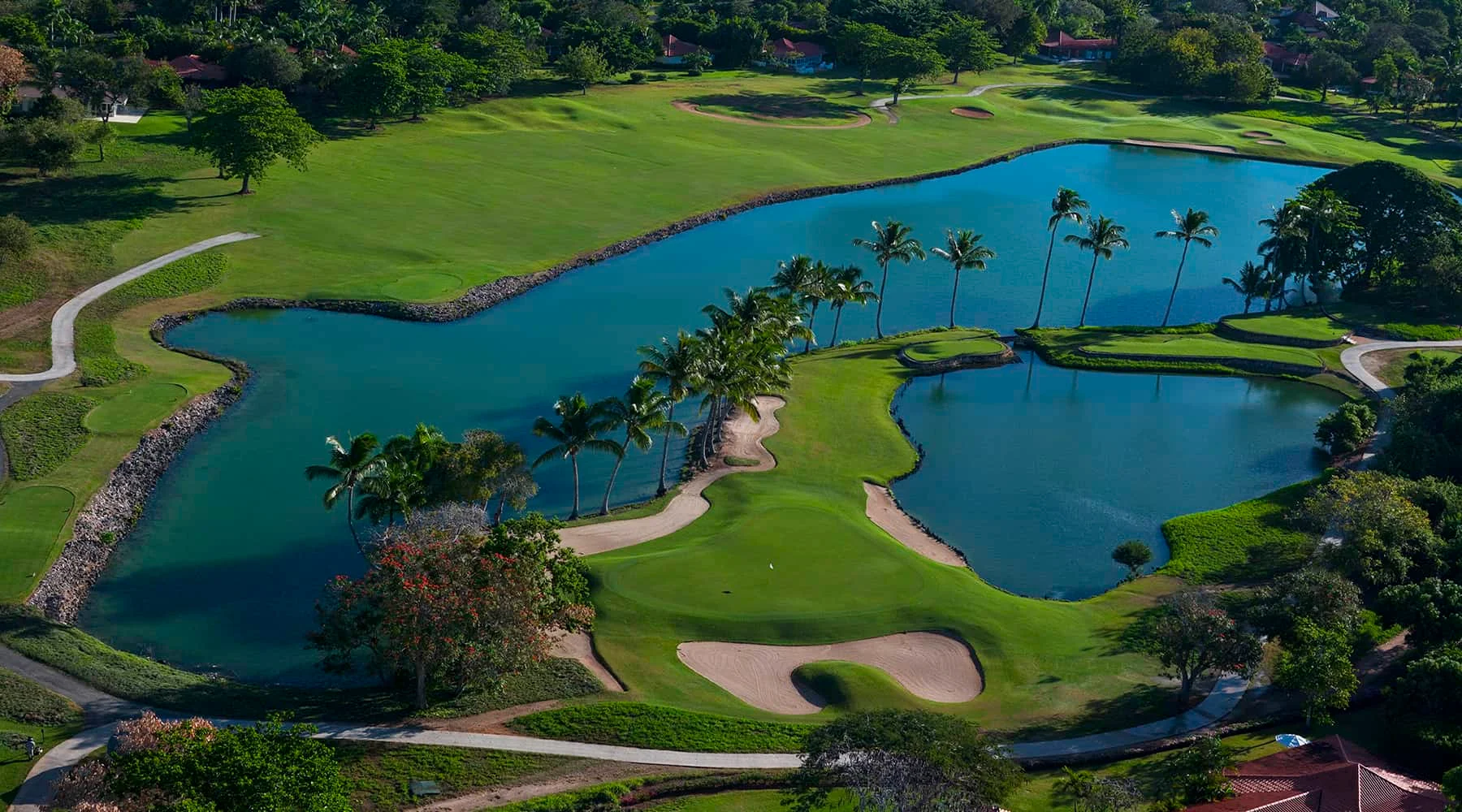
Opened in 1971 on Caribbean cliffs, it's Dye's personal favorite with seven holes over the sea. Hosted PGA Tour Latin America events. - Whistling Straits, Straits Course, Sheboygan, Wisconsin
Completed in 1998 on Lake Michigan dunes, it recreated Scottish links with railroad ties and fescue. Hosted three PGA Championships and two Ryder Cups. - Harbour Town Golf Links, Hilton Head Island, South Carolina
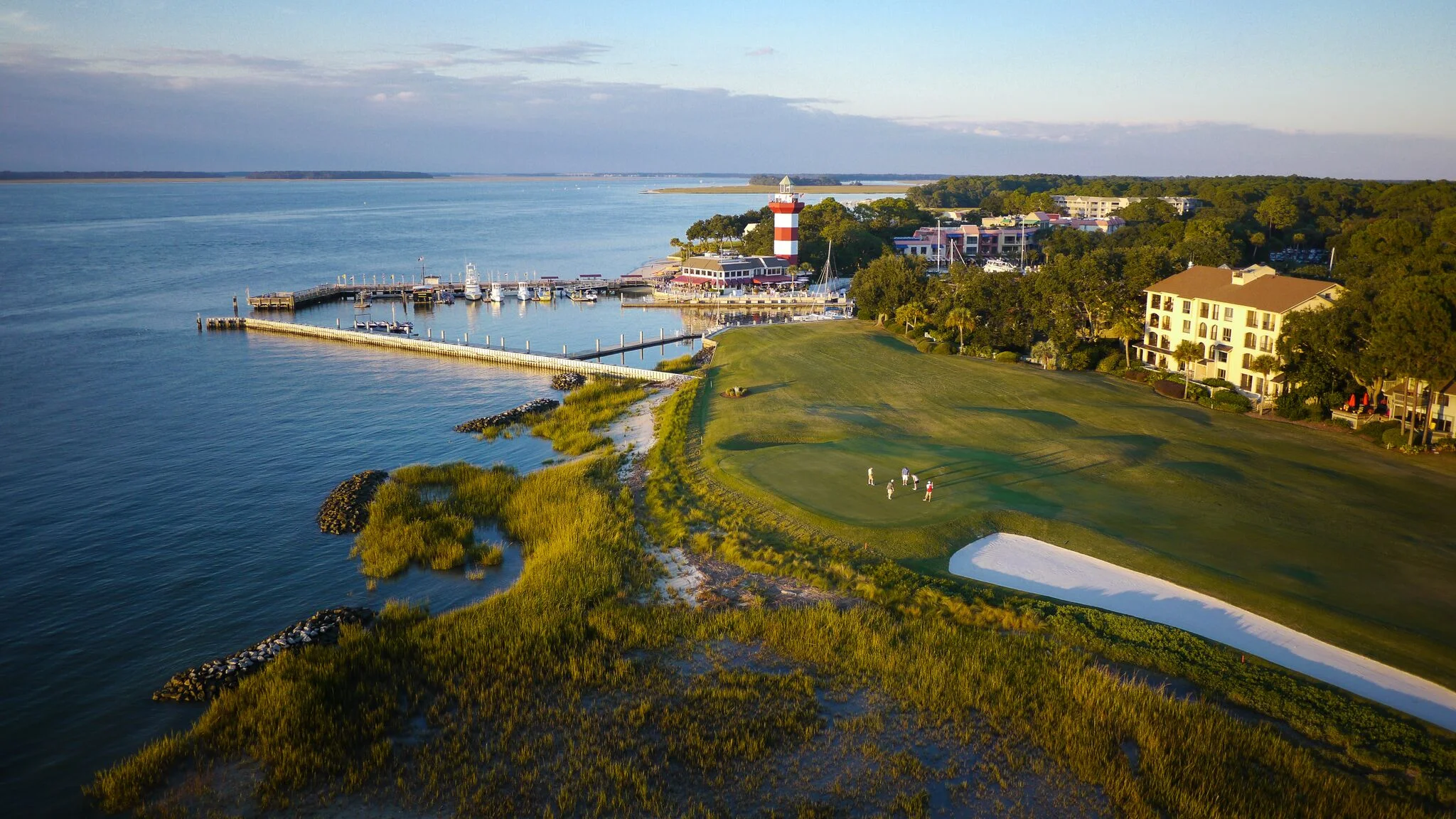
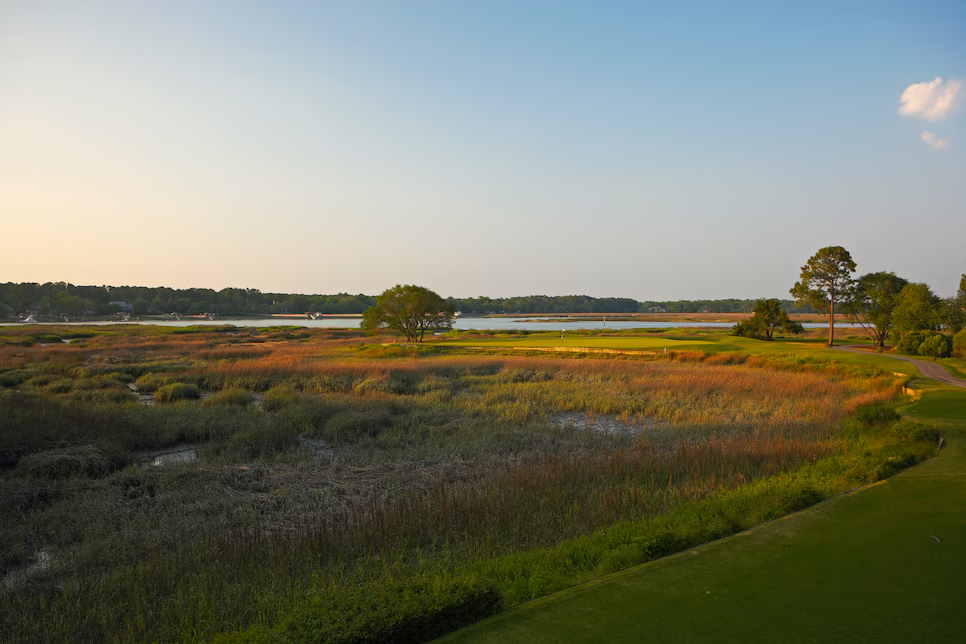
Co designed with Jack Nicklaus in 1969, its tight routing and lighthouse 18th defined the RBC Heritage. - The Ocean Course, Kiawah Island Golf Resort, South Carolina
Redesigned by Dye in 1991 for the Ryder Cup, its wind exposed dunes made for dramatic TV. - PGA West, Stadium Course, La Quinta, California
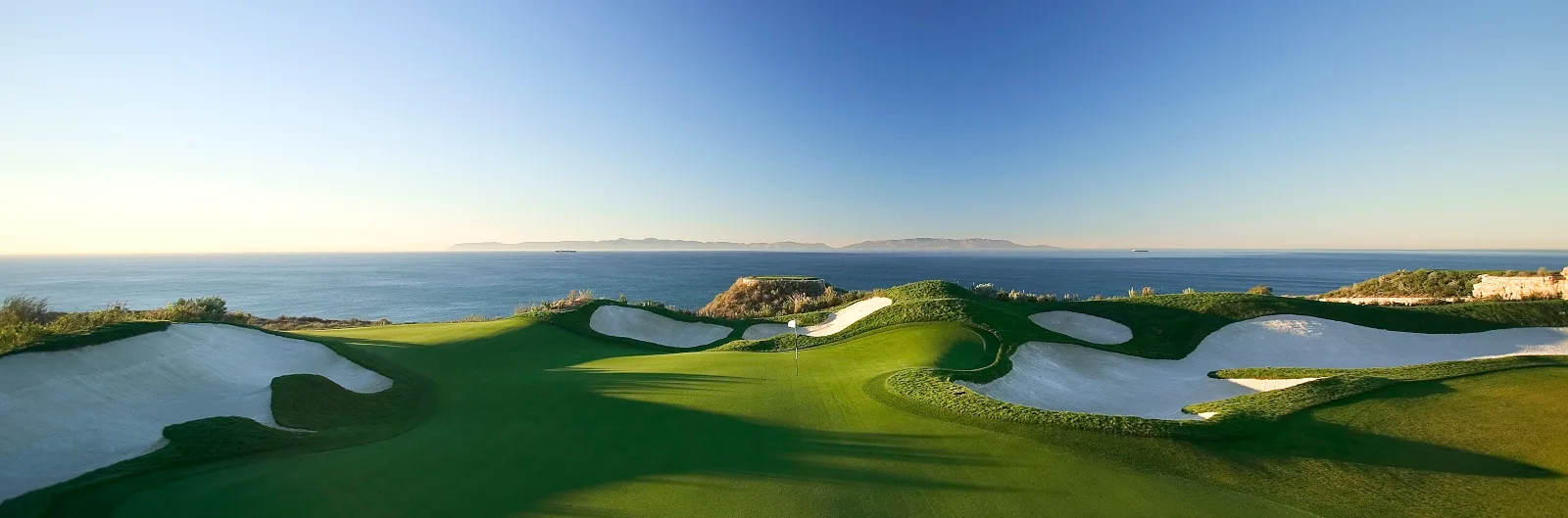
1983 design with deep bunkers and canyons, hosted Nestle Invitational. - Blackwolf Run, River Course, Kohler, Wisconsin
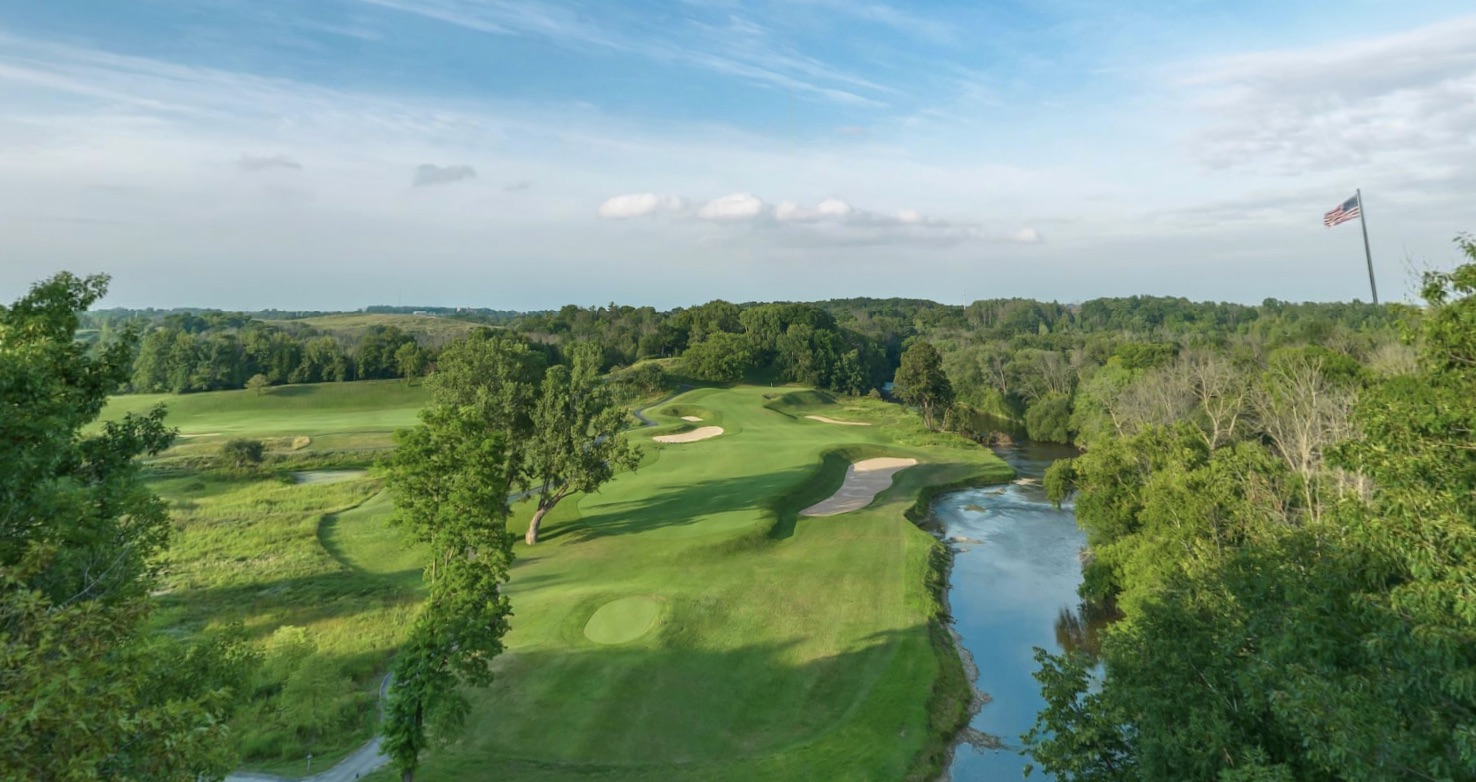
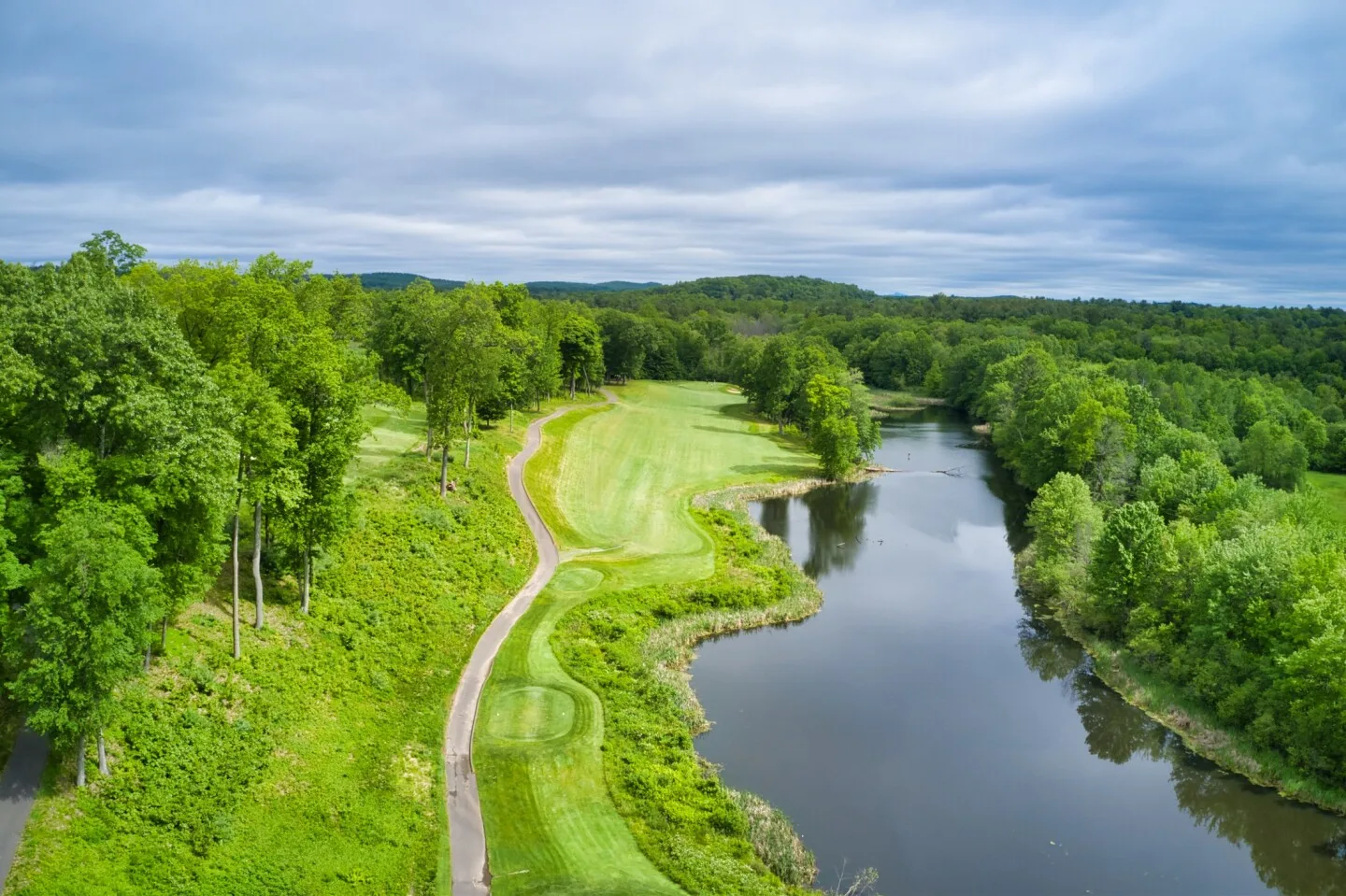
1988 layout along the Sheboygan River, precursor to Whistling Straits.
Family collaboration and global reach
Alice Dye was integral, contributing ideas like Sawgrass 17 and designing courses herself. Sons Perry and Paul carried on, with Perry's firm restoring Dye classics.
Dye worked worldwide, from Ireland's Old Head to Japan's Nagano. At 82 he designed Caesarea in Israel. He mentored "Dye ables" like Tim Liddy and Steve Smyers.
Pete Dye died on January 9, 2020, at age 94.
Interesting facts and legacy
Dye endured early rejections but persisted with Alice's support. He sourced real railroad ties initially, later replicas. Teeth of the Dog used existing coral; no earthmoving.
His influence is profound: stadium golf, visual drama and TV appeal grew the sport. Courses like Sawgrass and Straits remain benchmarks, blending heroism and penalty. For architects and players, Dye proved innovation could revive architecture's golden age.
%204.webp)
%20%2317.webp)
%20CA.webp)
%20%2317.webp)

%20.webp)
.webp)
.webp)
%20%231.webp)
%203.webp)
.webp)
.webp)
.webp)
%20PK.webp)
.webp)
.avif)
.webp)
.jpg)