


ARCHITECTS
Course info
Score
Difficulty
Weather
Price

Course Report
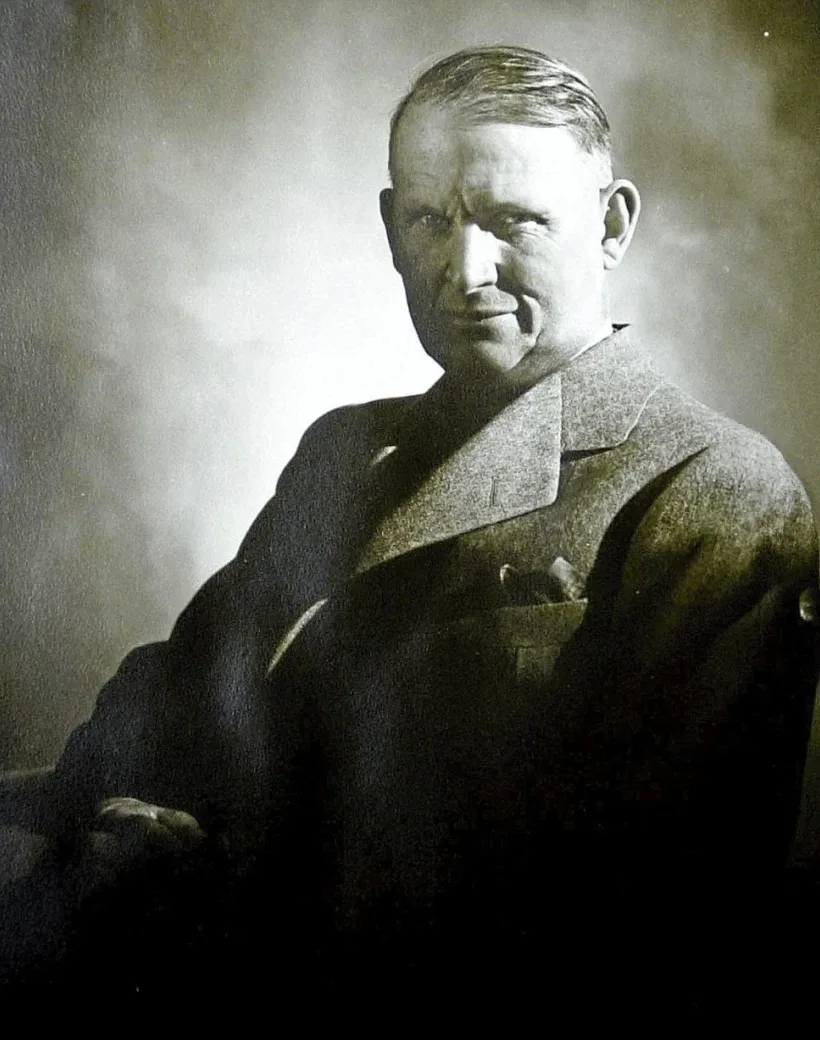
Twin Hills hosted the 1935 PGA Championship, won by Johnny Revolta, and was highly praised by legendary architect Alister MacKenzie for its design quality.
About
Twin Hills Golf & Country Club is a classic Perry Maxwell design established in 1923, known for its rolling terrain, strategic bunkering, and well-contoured greens. The club has a storied history, having hosted the 1935 PGA Championship and many other prominent events, and remains a premier destination for private golf in Oklahoma.
Caddie Tip
Focusing on approach angles is key throughout the round—Maxwell’s greens have significant slopes and subtle breaks. On the inward nine, favor the fairway side that gives a fuller view of each green complex, especially when approaching the multi-tiered greens and deep bunkers.
The Main Challenge
The main challenge at Twin Hills lies in the combination of Maxwell’s undulating greens and well-placed bunkers. Players must be precise with approaches—errant shots can result in tricky up-and-downs from deep traps or fall off the green complexes. Wind can be a significant factor on the open holes.
The Good
Golfers rave about the original Perry Maxwell greens, which feature dramatic contours and demand thoughtful approach shots. The course’s mature tree corridors, historic ambiance, and history as a PGA Championship venue provide classic, timeless appeal and an unhurried, private club atmosphere.
The Not So Good
Members and guests sometimes note that areas off the fairways can suffer from turf stress in peak summer, and drainage after big rains can be slow in some low-lying spots. Bunker consistency and practice facility size also draw occasional criticism relative to modern elite clubs.
Signature Hole:
#
18
The 18th hole is a challenging par 4 finishing hole that requires a precise drive to a narrow fairway, followed by a demanding approach shot to an elevated and well-bunkered green. The natural undulations and deep greenside bunkers make this hole both scenic and strategic, serving as a fitting climax to the round.
Clubhouse
The clubhouse includes a full-service restaurant, bar, spacious locker rooms, event and banquet hosting areas, swimming pool, and outdoor patios. Hospitality is a highlight, with attentive staff and a strong social calendar for members and guests.
Practice Facilities
Twin Hills offers a well-maintained driving range, short game area, and putting green, though some advanced players wish for expanded targets and bunkers. The classic clubhouse features dining, locker rooms, banquet spaces, bar, and pool, fostering a relaxed, traditional country club experience.
Dress Code:
Standard
No dress code enforced. All attire is permitted.
Collared shirts not required. Clean, athletic or golf-appropriate casual wear is acceptable.
Collared shirts required. No denim, gym wear, or overly casual clothing.
Collared shirts must be tucked in; no cargo or athletic shorts. No hats indoors.
Elite club standards; jackets required indoors, no changing shoes in the parking lot, and specific attire rules based on the area of the facility.
.avif)
.png)
%20CA.webp)
.png)