

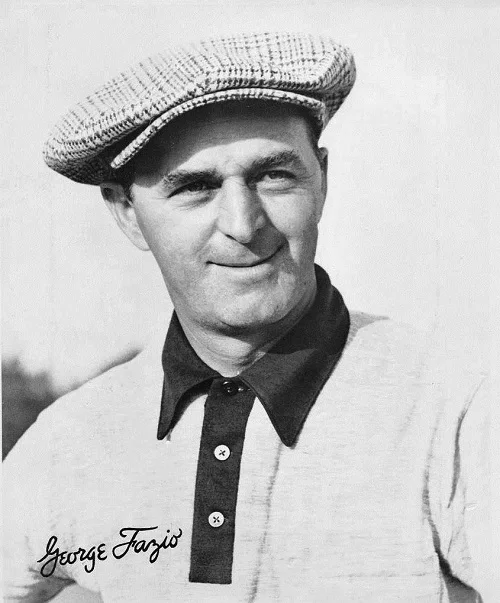
George Fazio started as a golf caddie at age 9 and later became head professional at six Philadelphia clubs before becoming a renowned architect.
George Fazio (1912–1986) began his golf journey in Norristown, Pennsylvania, caddying as a child and progressing to the ranks of PGA Tour professional. Known for winning the 1946 Canadian Open and finishing third in a playoff at the 1950 U.S. Open, Fazio spent much of his career as a club professional, most notably at Pine Valley and Hillcrest Country Club in Los Angeles—often rubbing shoulders with Hollywood celebrities.
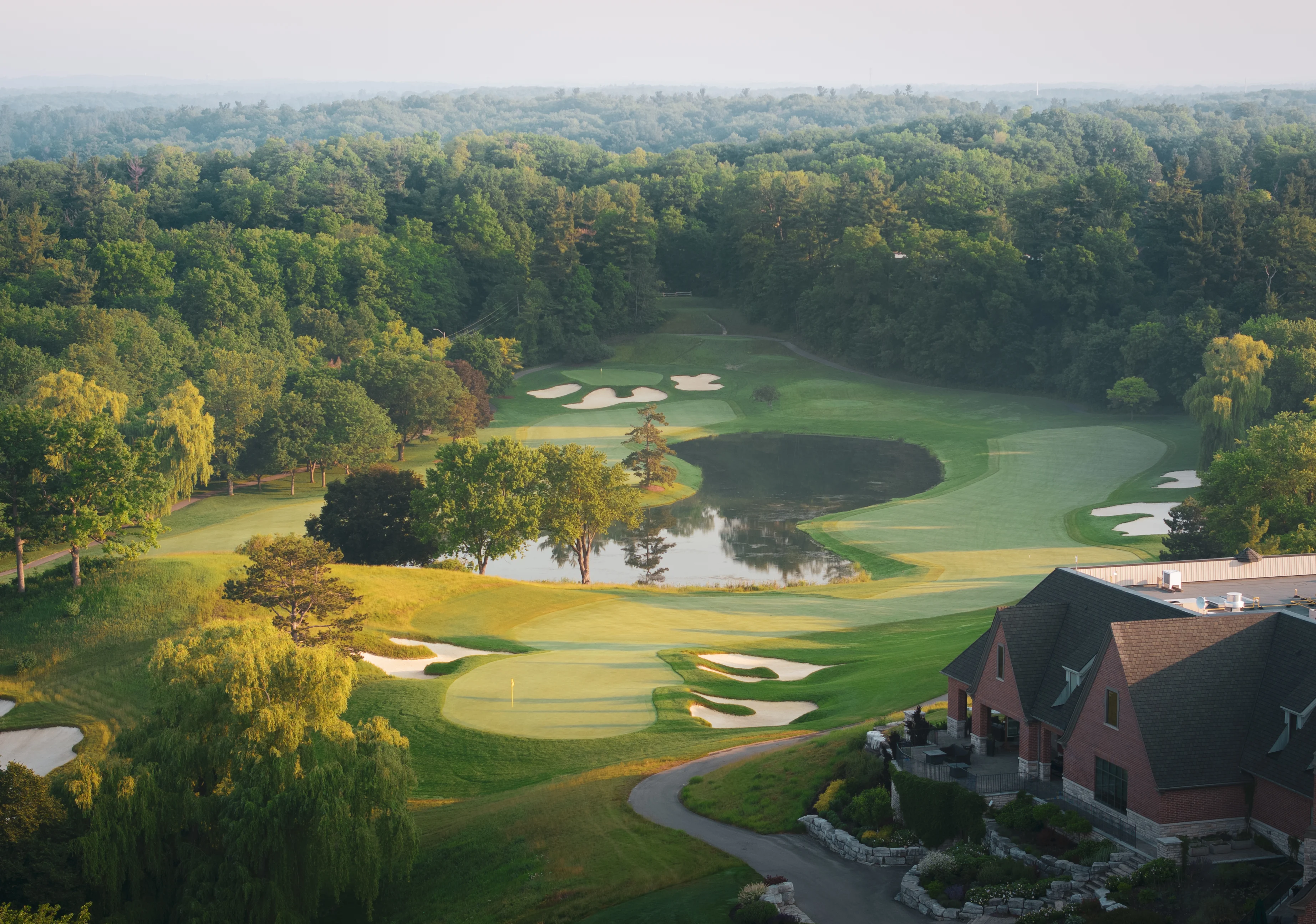
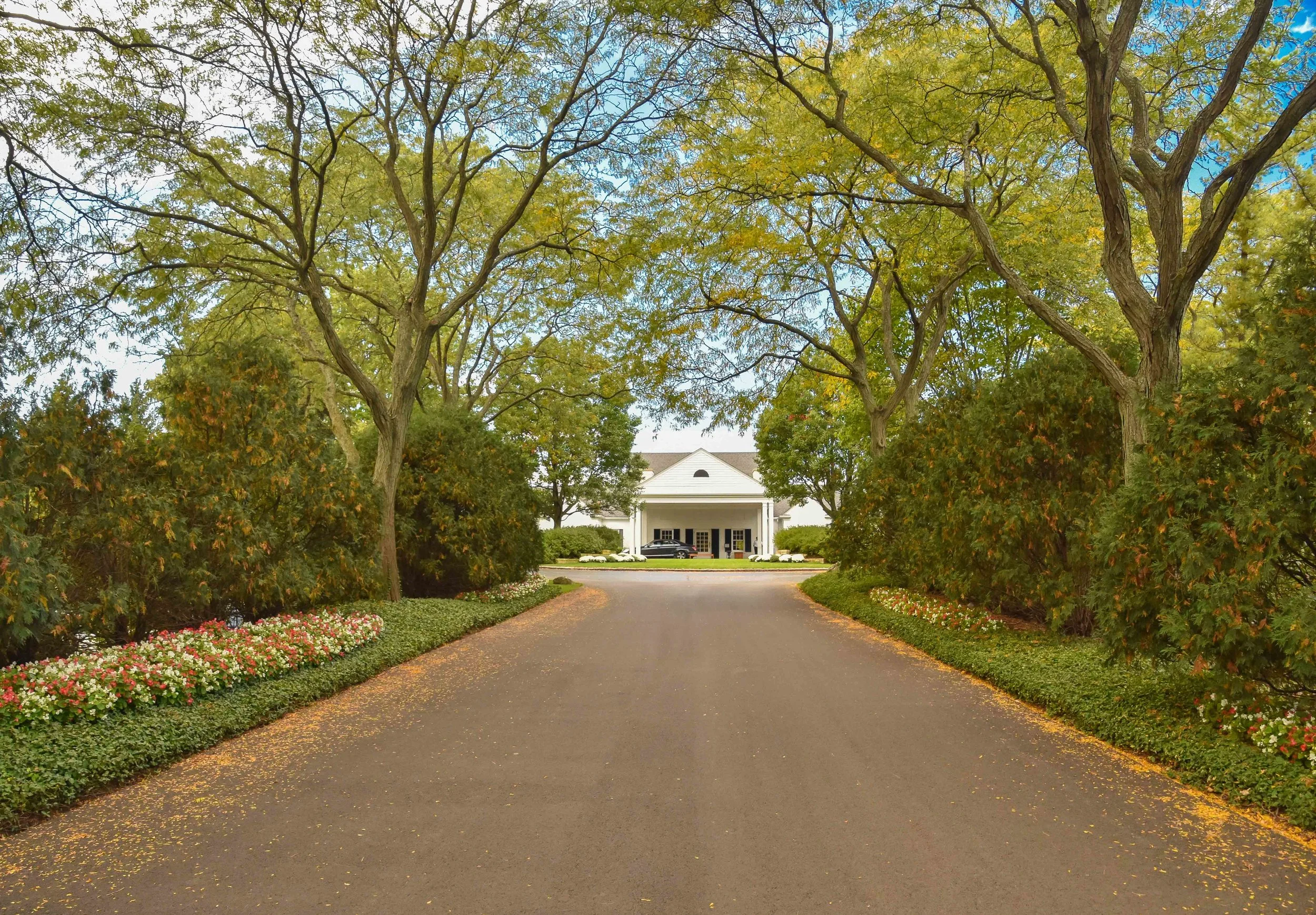
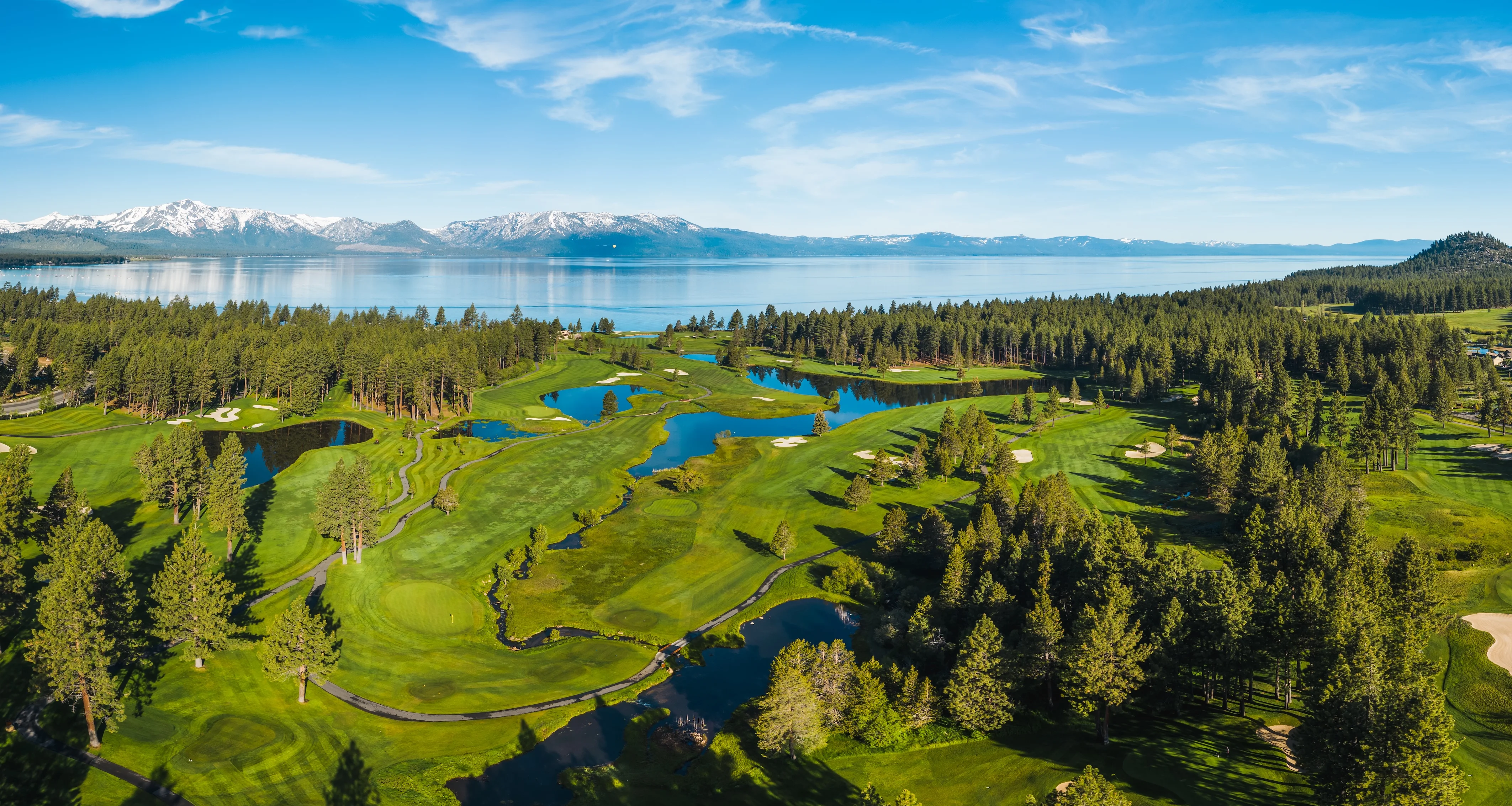
After his playing days, he pivoted to course architecture in his 40s, first reworking Cobbs Creek in 1955 for a Tour event before establishing his reputation with new designs like Waynesborough Country Club, Palmetto Dunes (SC), Jupiter Hills (FL), Edgewood Tahoe (CA), Butler National (IL), and Pinehurst No. 6.
Fazio’s layouts are characterized by thoughtful, attractive designs and distinctive cloverleaf and butterfly-shaped bunkers. He often partnered with his nephew Tom Fazio, eventually launching one of golf’s foremost design dynasties.
Though never a household name, George Fazio’s understated vision and skill left a lasting mark on American golf, both as a competitor and as an architect whose courses remain enduring, playable classics.
%202%20(1).webp)
%20%2316%20ES.avif)
.webp)