.webp)
.png)
.png)

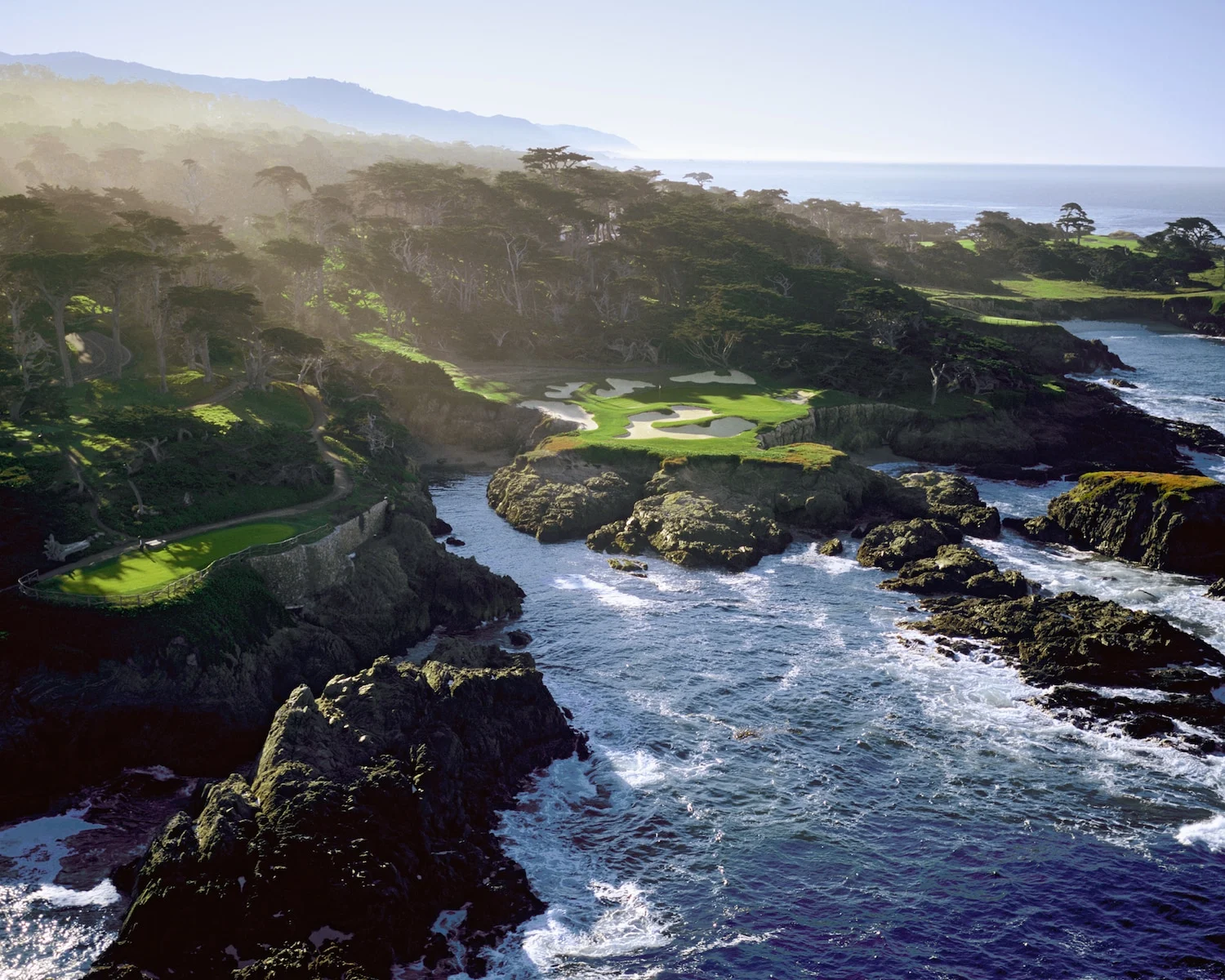
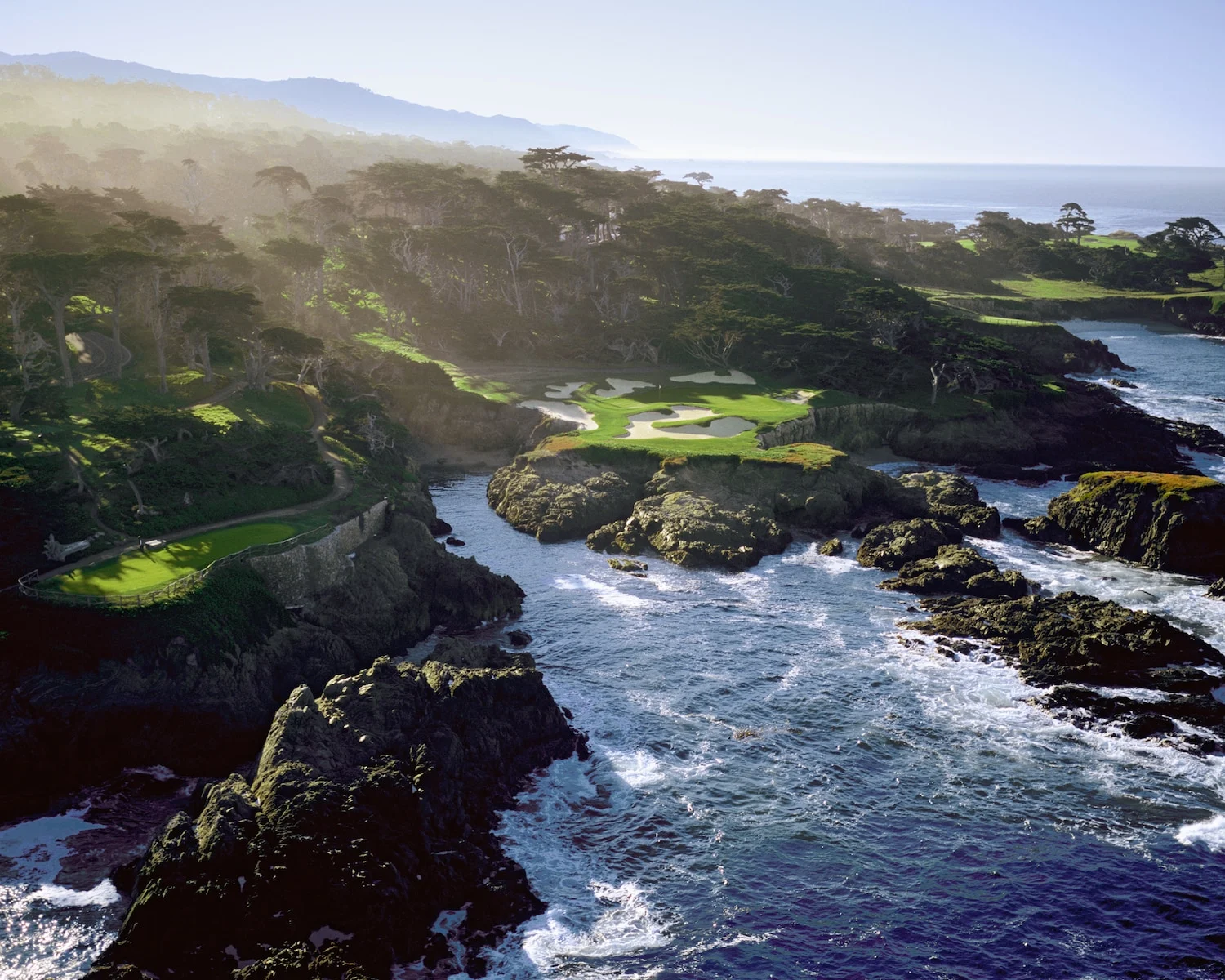
Cypress Point feels like golf carved straight into the edge of the world. The routing winds through dunes, forest, and finally out to those cliffside holes where the Pacific isn’t just scenery—it’s part of the challenge. The par-3 16th is the postcard everyone knows, but it’s the flow of the round, the quiet isolation, and the way the course just fits the land that makes it unforgettable. It’s less about spectacle and more about pure, natural golf.

.webp)
Augusta National isn’t just a golf course, it’s golf’s cathedral. The fairways roll like velvet, the greens are glassy puzzles only the brave attack, and every hole whispers history you’ve seen a hundred times but never quite believe until you’re there. Magnolia Lane, Amen Corner, the roars from 13 and 16, it’s all as mythical in person as the stories make it. It’s not just a round of golf, it’s stepping into the heartbeat of the game.
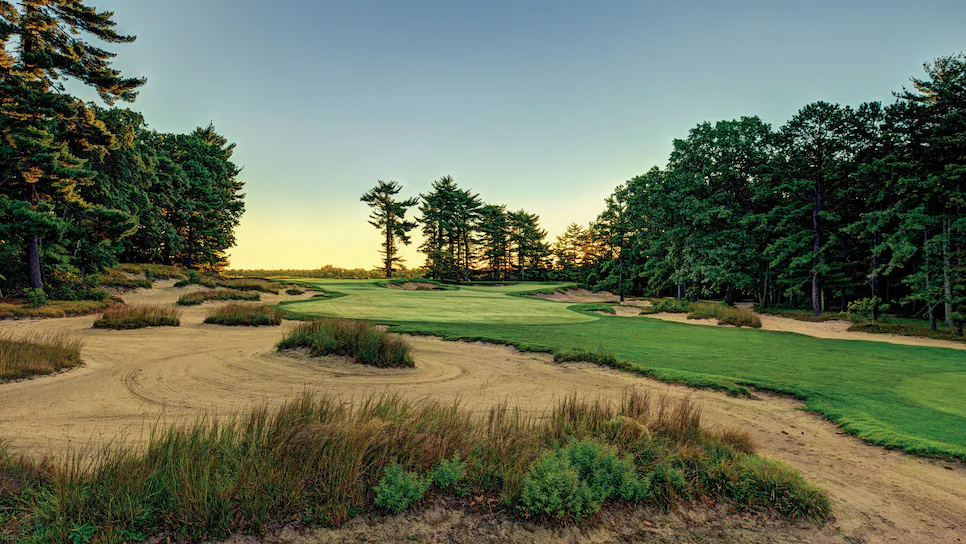

Pine Valley is like a golf course built from a dream—if your dream also had nightmares. Each hole is self-contained, cut off from the others, with massive sandy waste areas, scrub pines, and bunkers that seem to swallow anything short. Off the tee, there’s always space, but it’s the angle that matters. Miss the spot and the green becomes nearly impossible. It’s demanding, yes, but every hole feels like a masterpiece, and when you pull off the right shot, it’s as rewarding as the game gets.
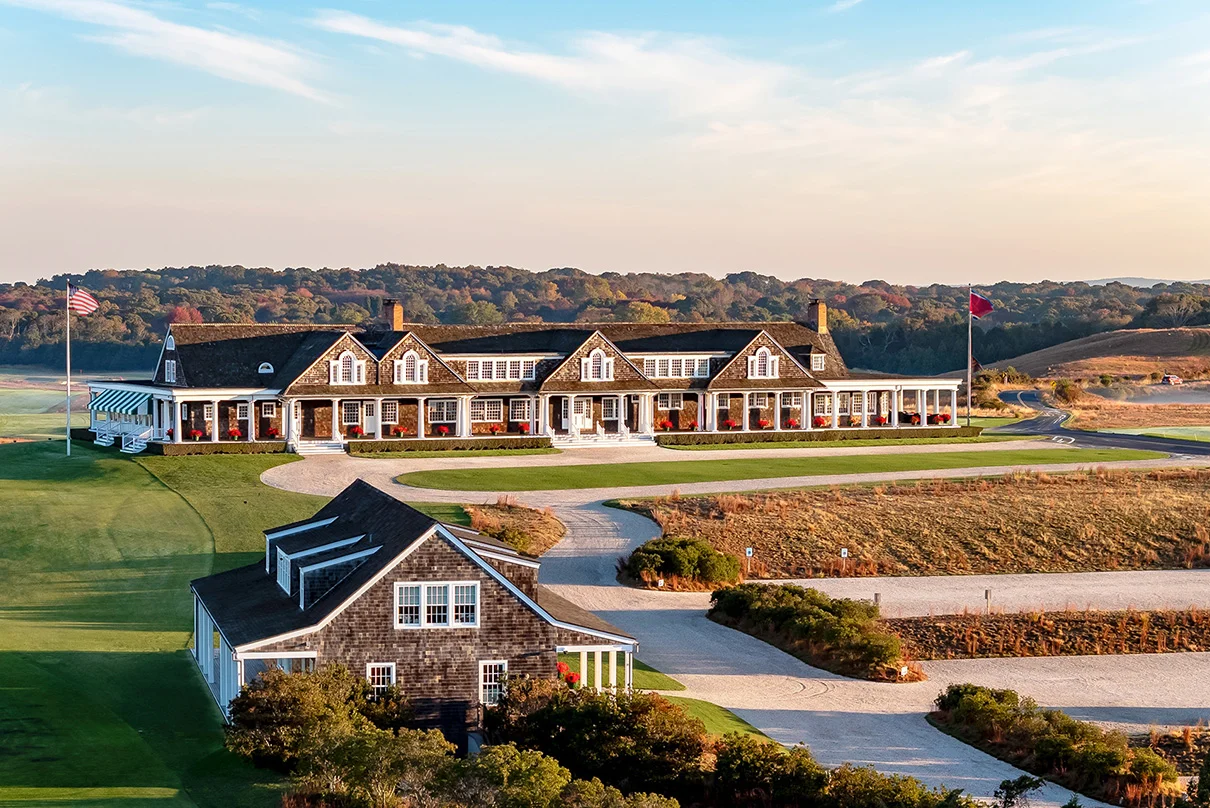
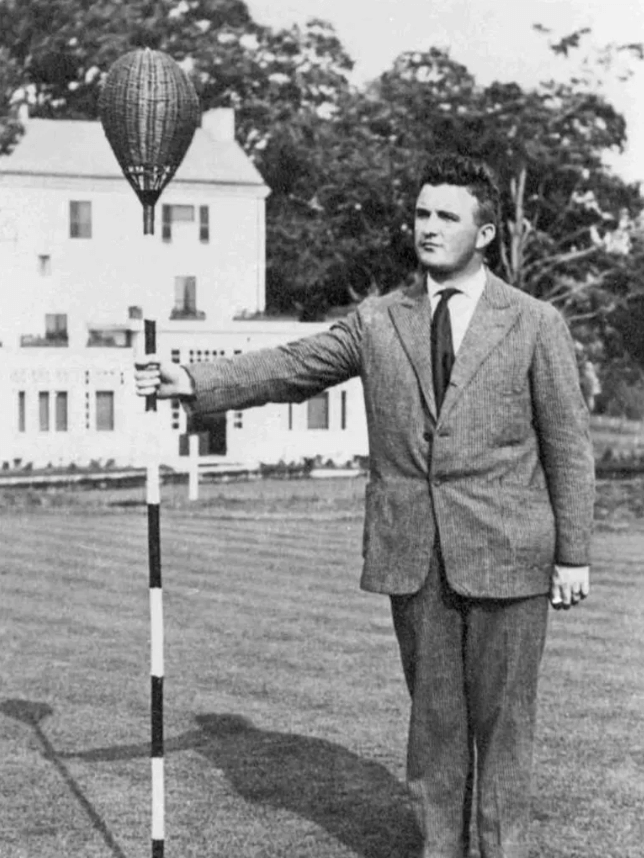
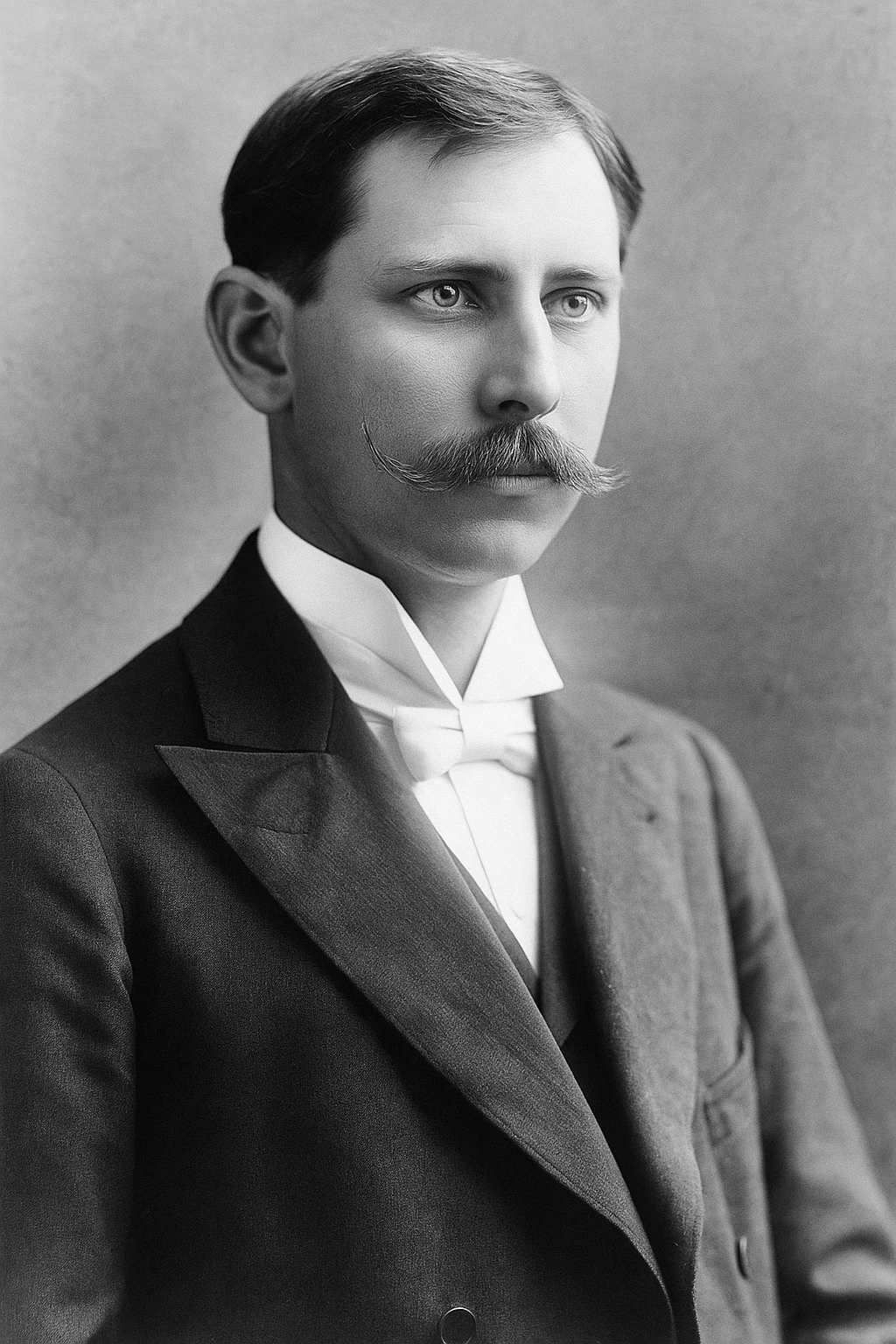
Shinnecock is links golf in an American accent. The fairways are wide but deceptive, inviting you to swing freely, then punishing the wrong angle into its small, tilted greens. Native fescue frames every hole, and the wind off the Atlantic means no two rounds ever feel the same. The 11th, with its elevated green exposed to the breeze, can turn a wedge into a guessing game. What makes Shinnecock special is how natural it feels—the land was meant for golf, and you sense that with every shot.
%20Gl%204.avif)
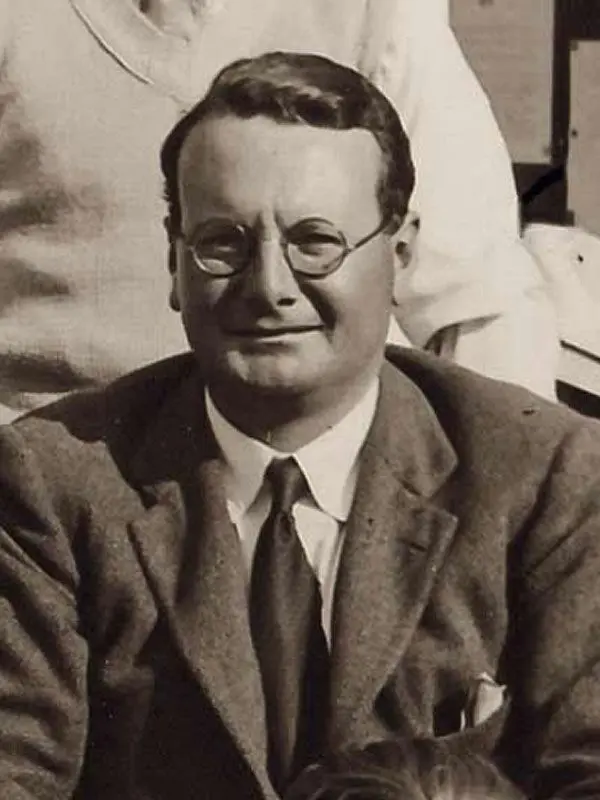
Royal Melbourne West is golf stripped to its essence. Wide fairways tempt aggression, but it’s the angles that matter—miss the right side and even a short iron feels impossible. The bunkering is bold yet perfectly natural, cut tight to the greens, forcing you to think two shots ahead. The greens themselves are fast, firm, and full of subtle movement. What makes it magical is the rhythm: one brilliant hole flowing into the next, strategy always at the forefront, never a wasted moment.
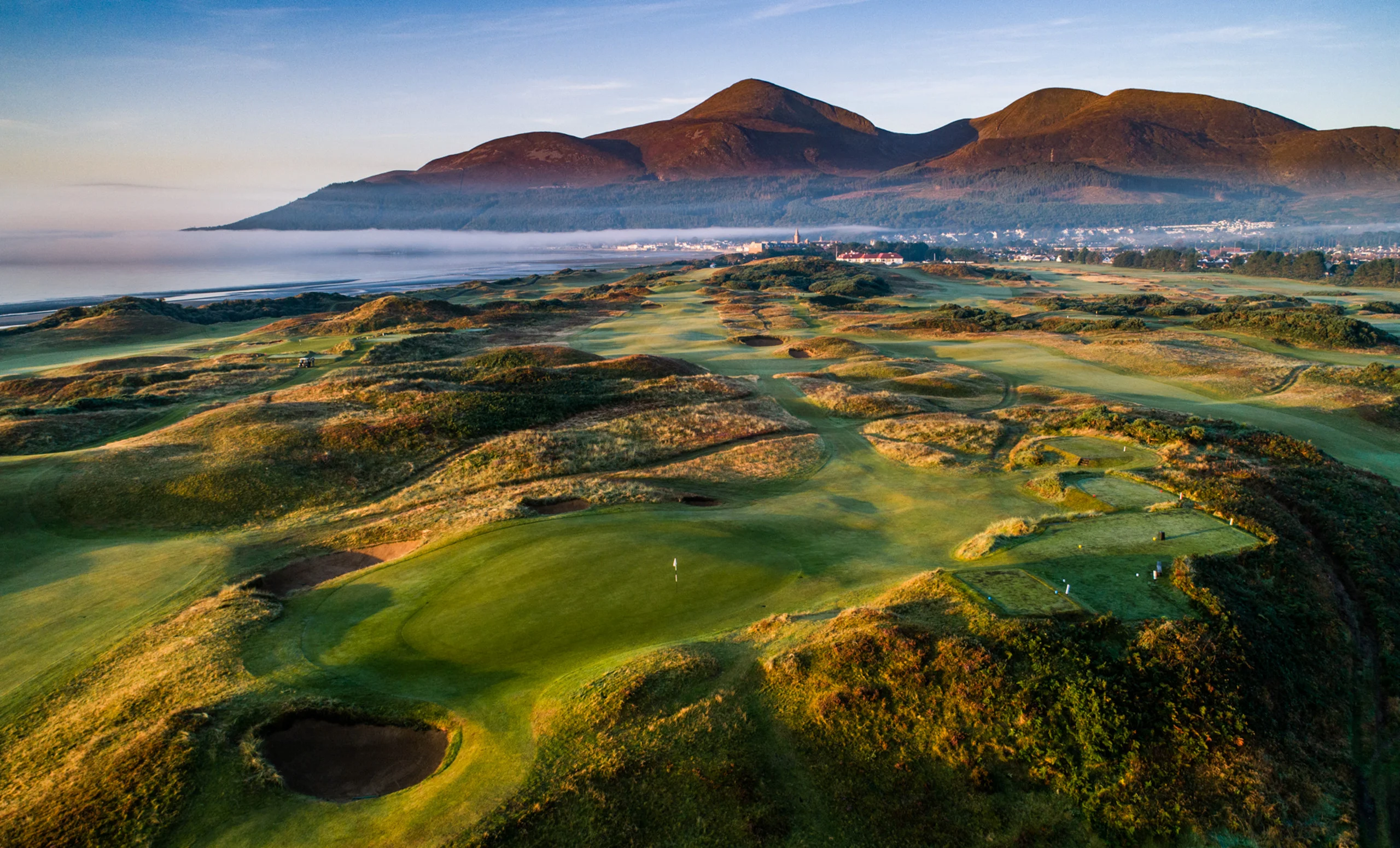
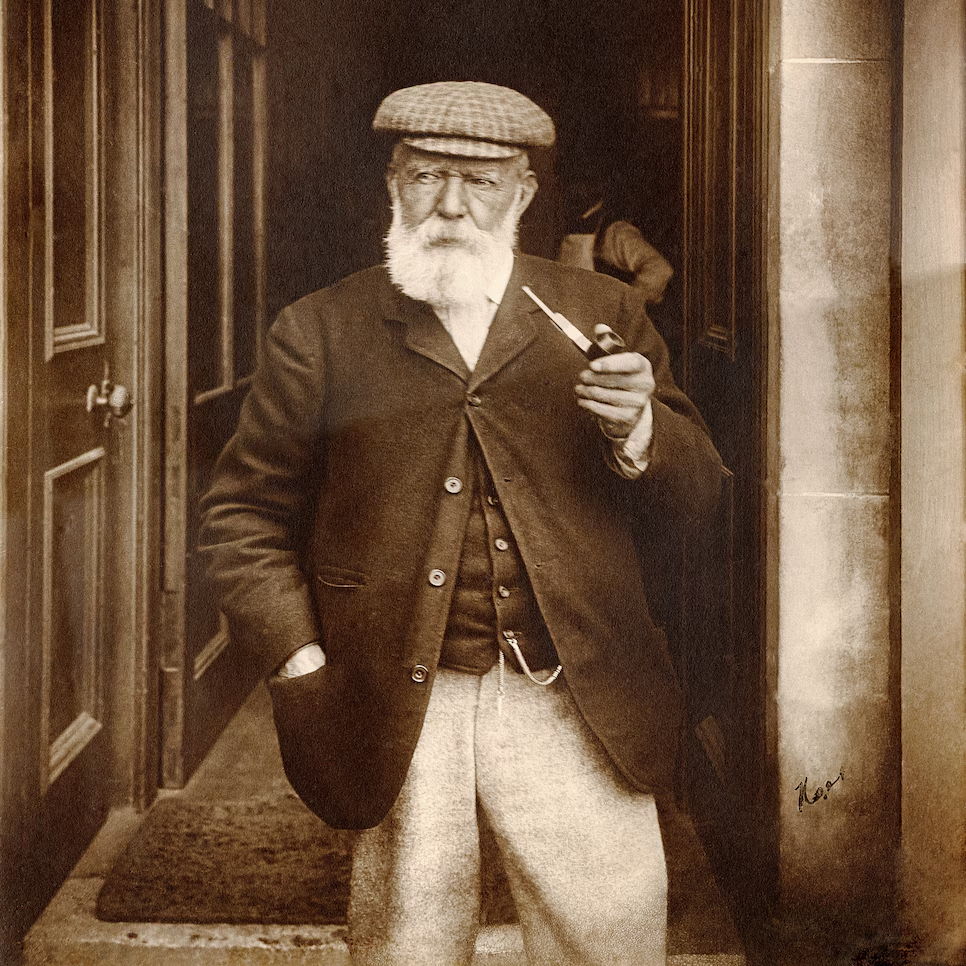

Royal County Down Golf Club, designed by Old Tom Morris, Harry Colt, and others, is a world-renowned links set against the Mountains of Mourne and Dundrum Bay. Opened in 1889, the classic course features dramatic dunes, firm fescue fairways, and superb natural beauty. Consistently ranked among the world's best, it regularly hosts elite amateur and professional events.
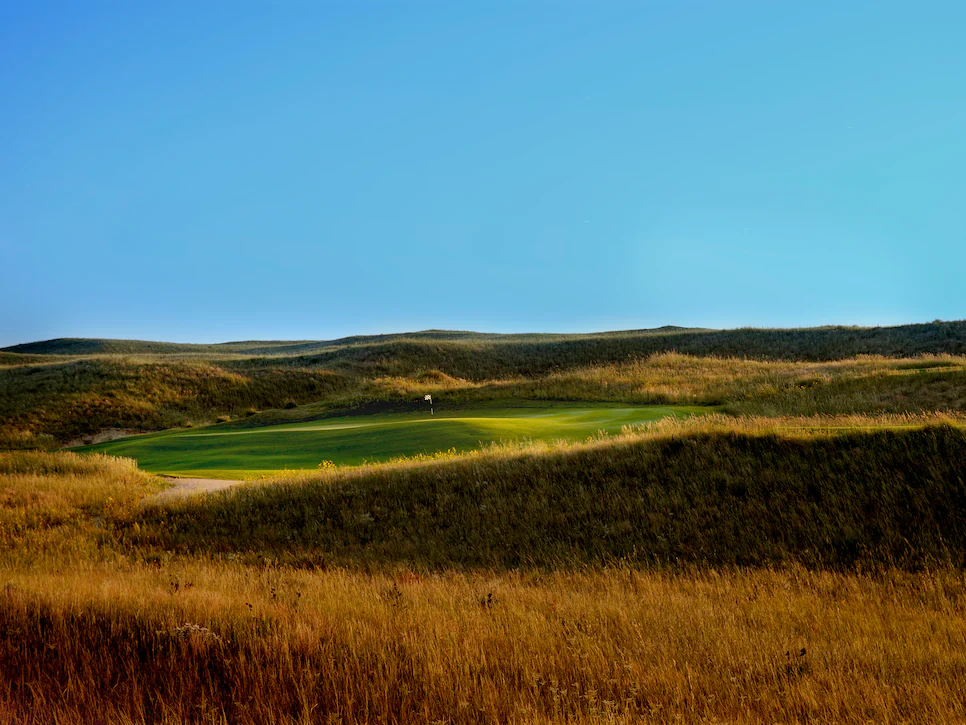


Sand Hills Golf Club, designed by Bill Coore and Ben Crenshaw, is a world-renowned private course amid Nebraska’s remote sandhills. Known for minimalist, links-inspired routing that uses the natural dunes, it features sweeping fairways, strategic bunkering, fescue grass, and an unparalleled purity of setting. Opened in 1995, it is frequently ranked among the world’s top courses and prized for its natural beauty and challenge.
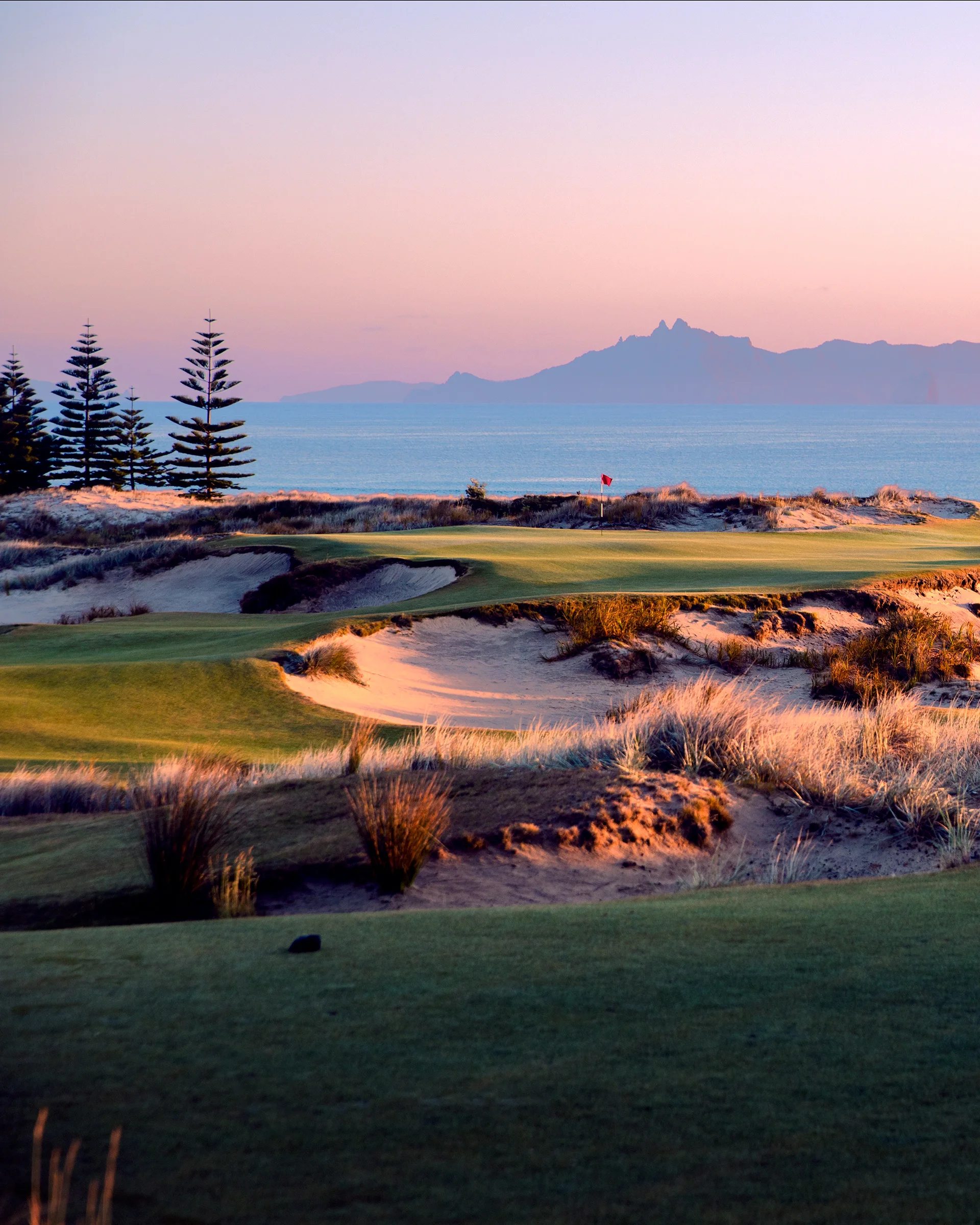

Tara Iti Golf Club, designed by Tom Doak and opened in 2015, is a world-renowned private links set among natural dunes on New Zealand’s North Island coast. Its pure links design, dramatic ocean panoramas, and meticulous conditioning have earned it high praise and consistently top-25 world rankings. Exclusivity and exceptional service define the club experience.
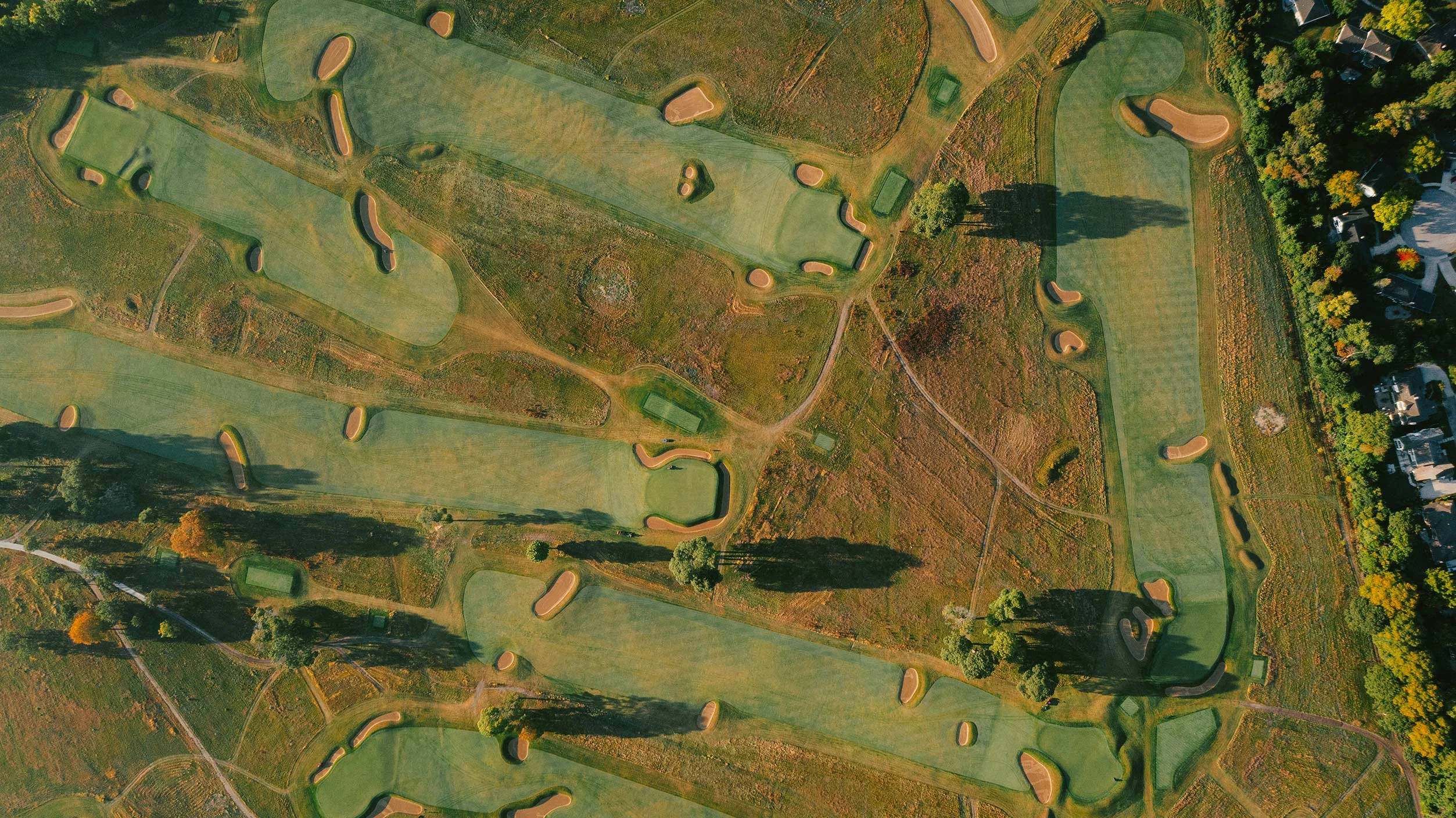
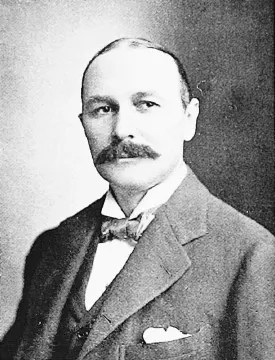

Chicago Golf Club, established in 1895 and designed by Charles Blair Macdonald and later renovated by Seth Raynor, is among America's most historic and exclusive courses. Renowned for its strategic Raynor greens and classic routing, the club's limited membership and tradition-rich atmosphere make it a coveted, private destination for golf purists. No photos are allowed on the golf course.
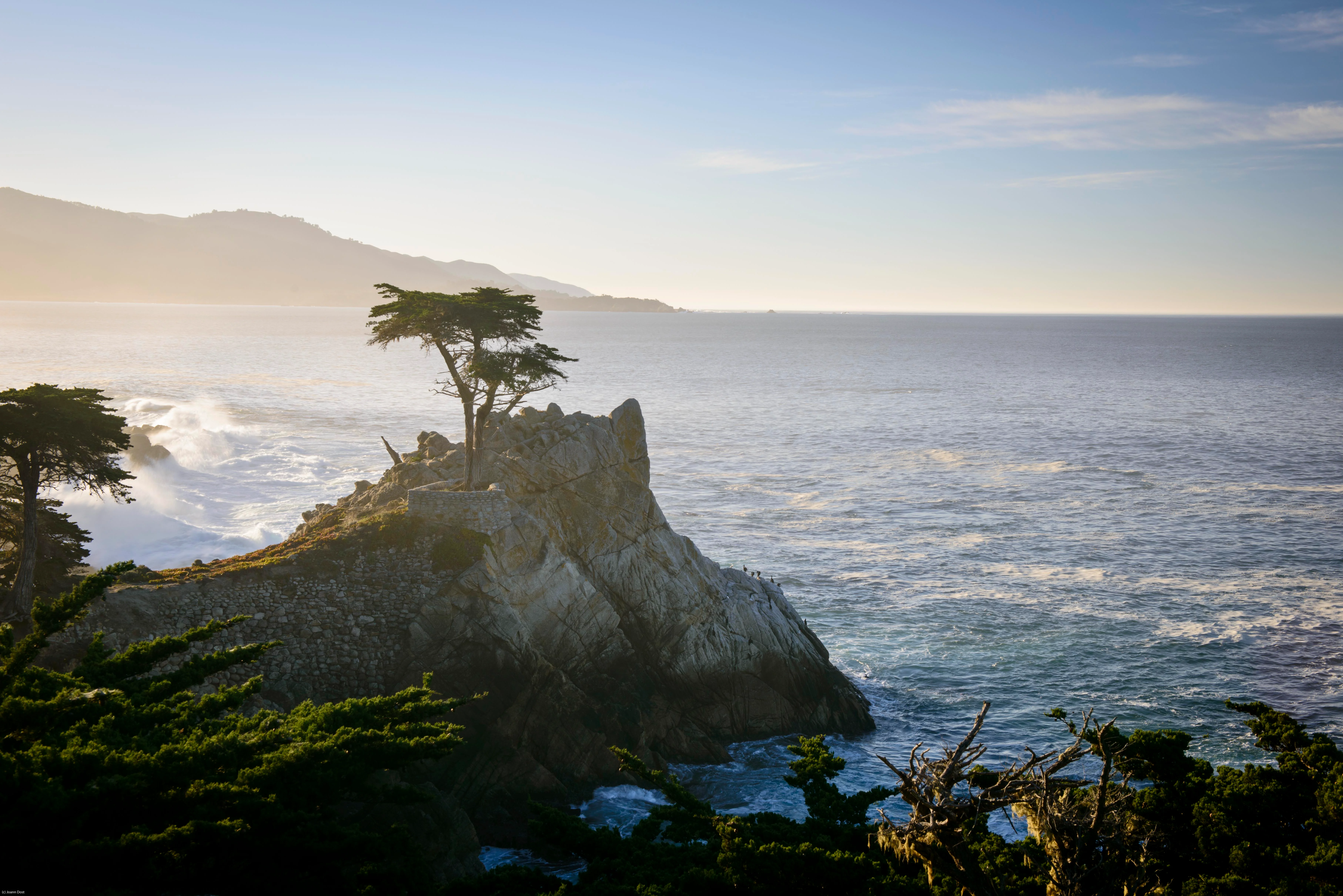
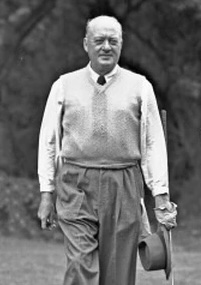

Pebble Beach Golf Links is one of the few courses that feels both timeless and alive. Set high above the Pacific Ocean, it combines natural drama with strategic nuance in a way few layouts can replicate. Built in 1919 on California’s Monterey Peninsula by Jack Neville and Douglas Grant, the course was routed to place as many holes as possible along Carmel Bay, creating some of the most recognizable views in golf. The opening holes offer a gentle introduction, but the stretch from the sixth through the tenth along the cliffs defines the course. Narrow fairways, small greens, and shifting winds can quickly turn a promising round into a grind. Framed by crashing surf and windswept cypress, Pebble Beach has hosted six U.S. Opens and continues to deliver a test that blends beauty, history, and championship challenge.
.png)