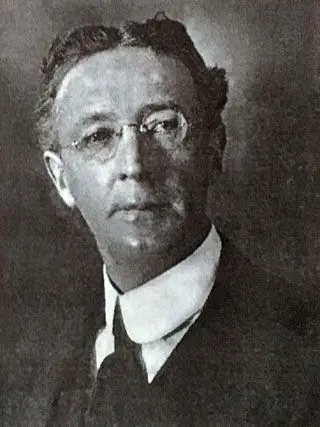


Raynor became one of golf’s most celebrated architects despite never being an avid golfer himself, famously learning about the sport only after being hired to survey land for a course.
Seth Jagger Raynor was born on May 7, 1874, in Manorville, New York. A trained civil engineer, he graduated from Princeton University in 1898. Initially working as a surveyor and landscape engineer, his introduction to golf course design came by chance when he was hired in 1908 by Charles Blair Macdonald to survey the site for the National Golf Links of America. Though new to golf, Raynor impressed Macdonald with his engineering skills and soon became the overseer of construction for all of Macdonald’s courses, including iconic projects like Piping Rock and The Lido.
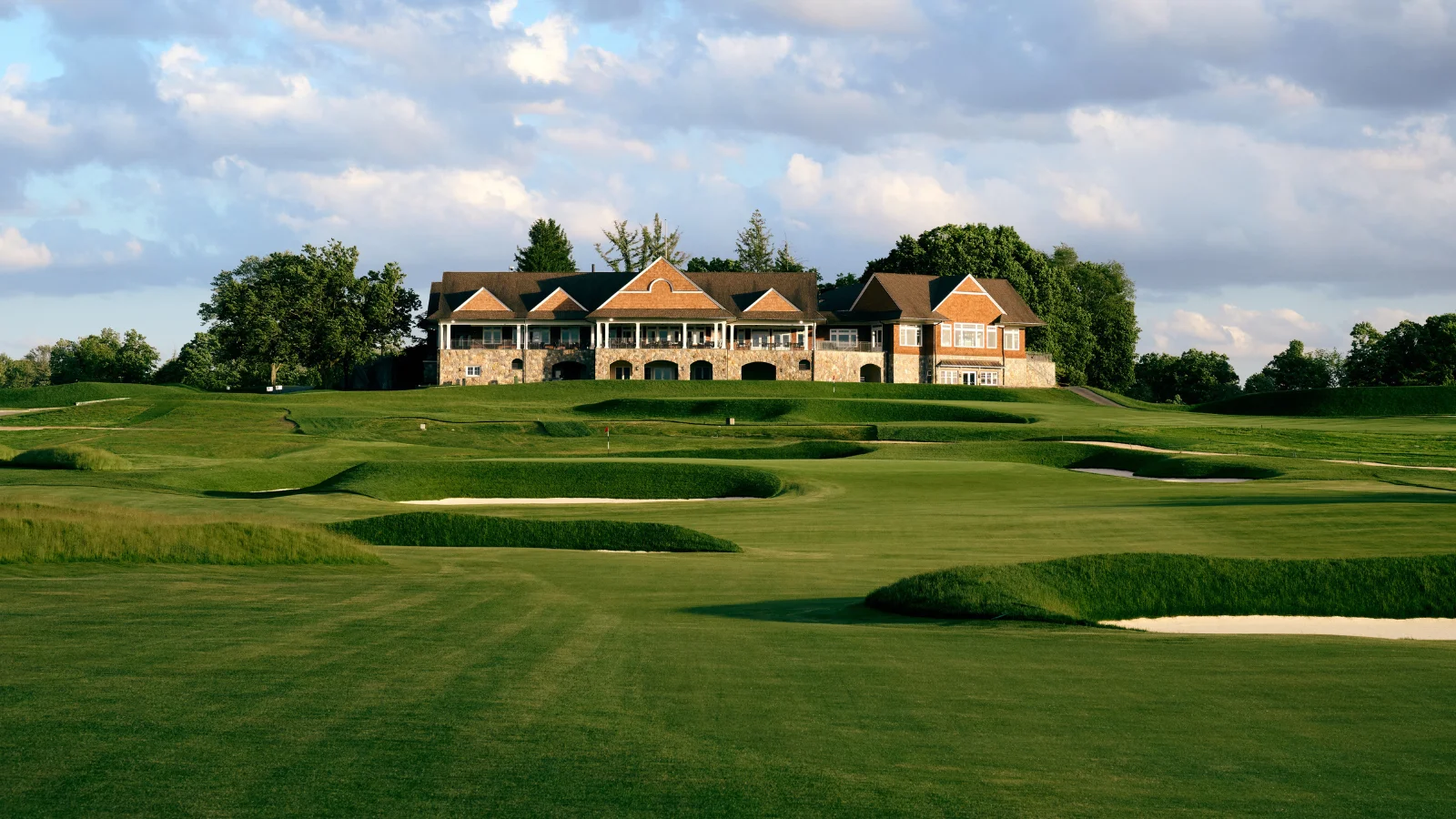
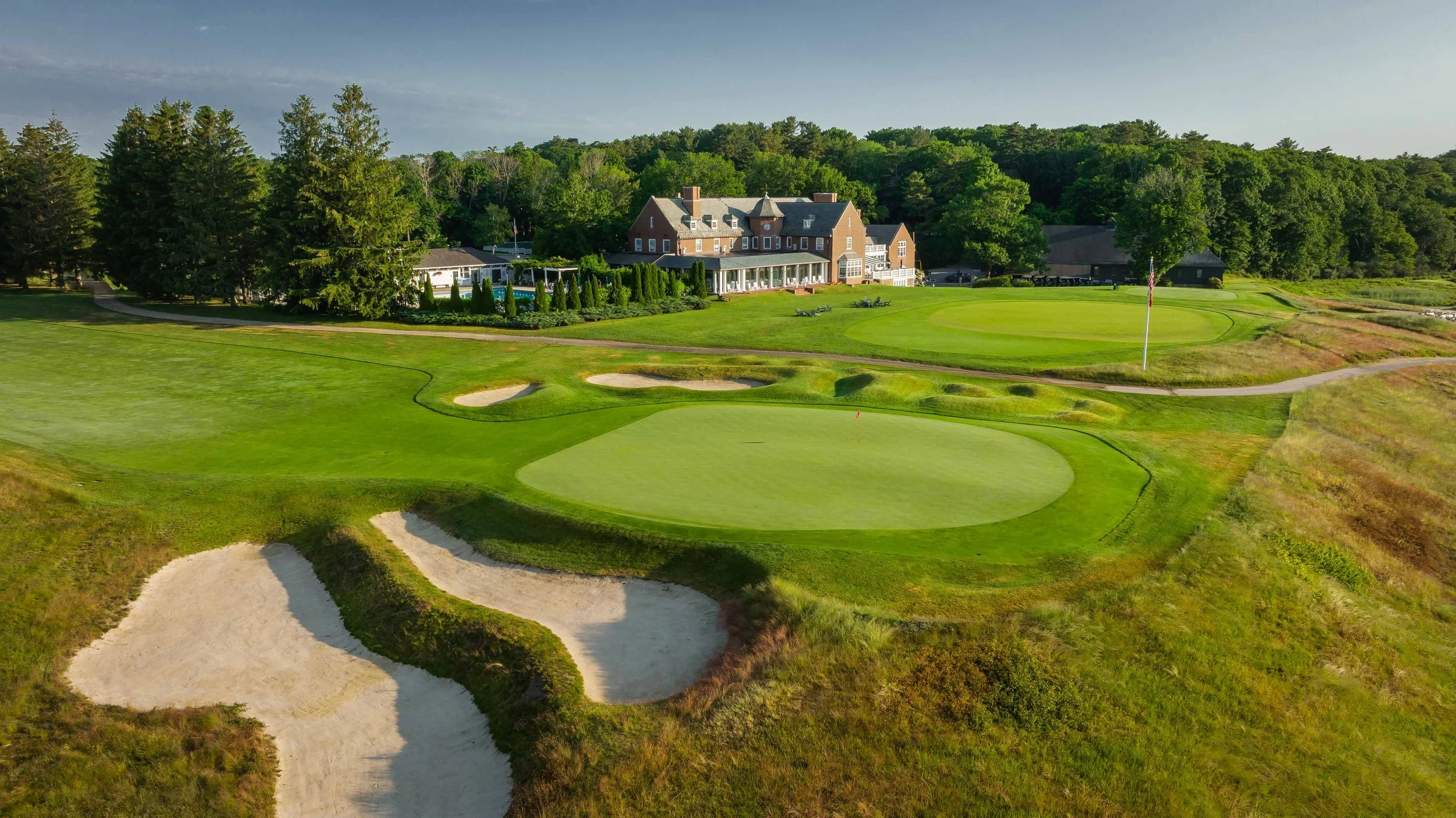
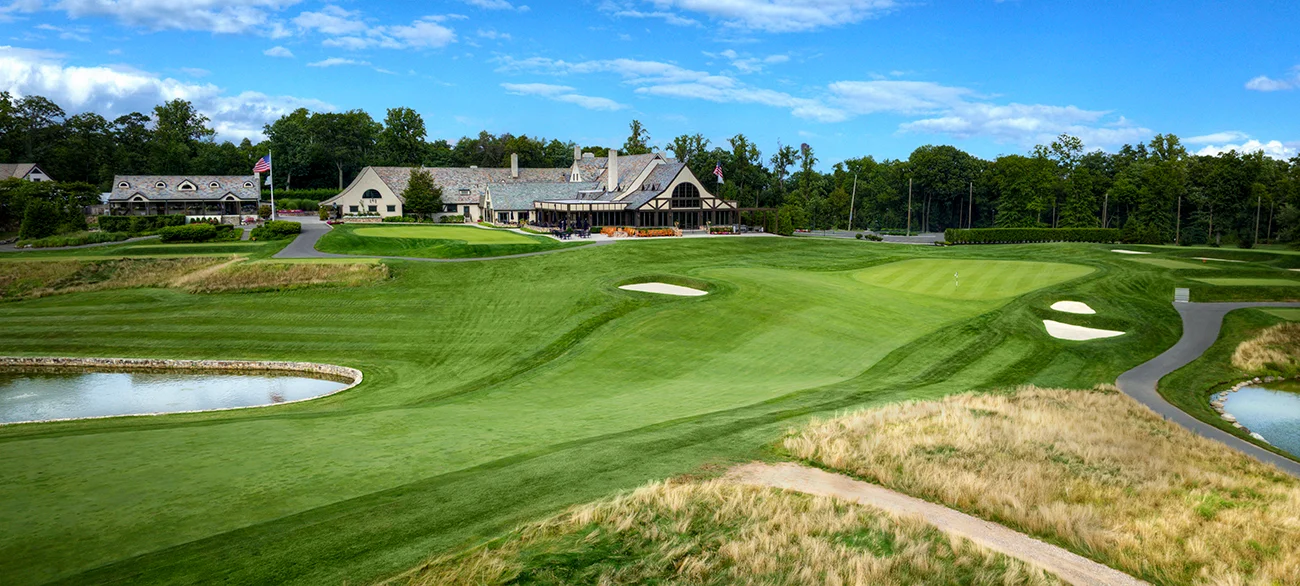
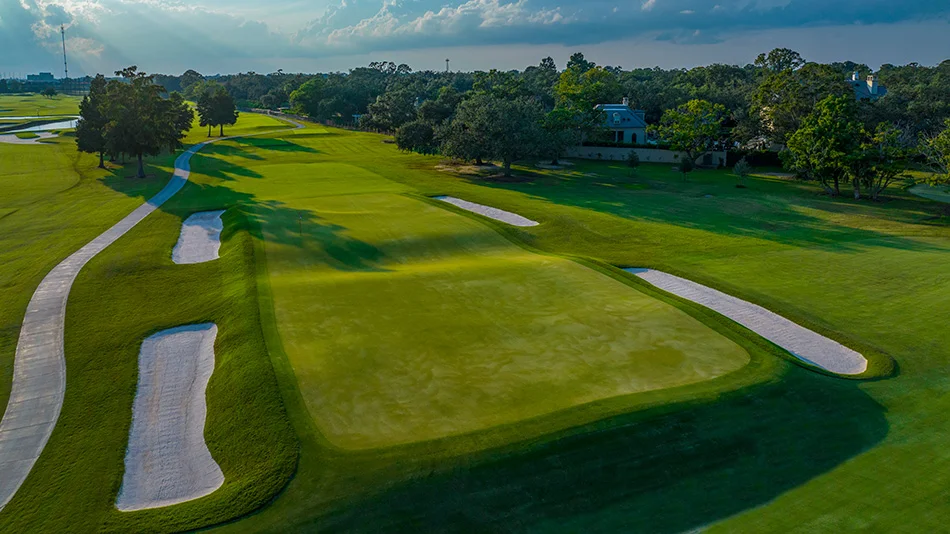
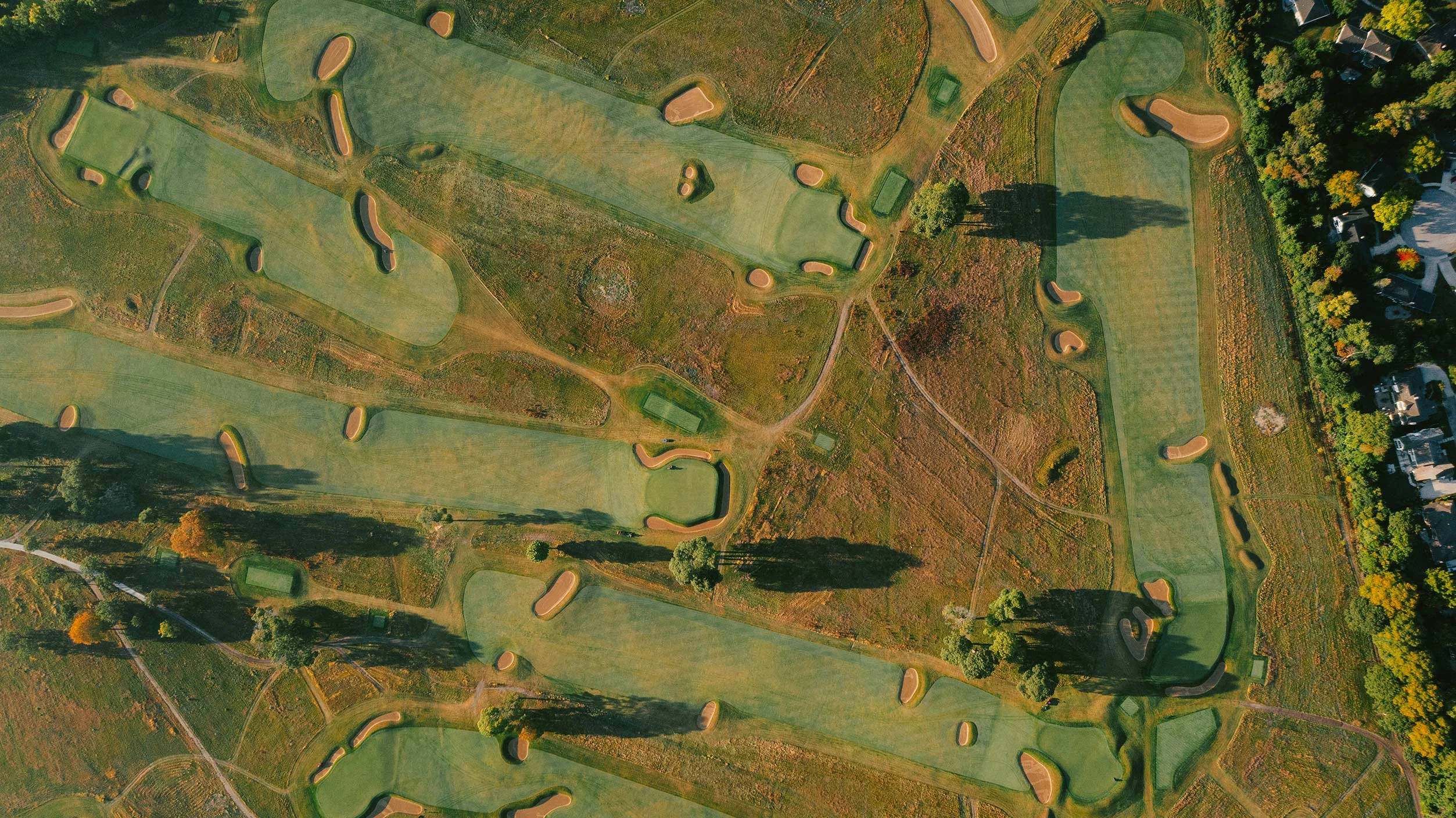
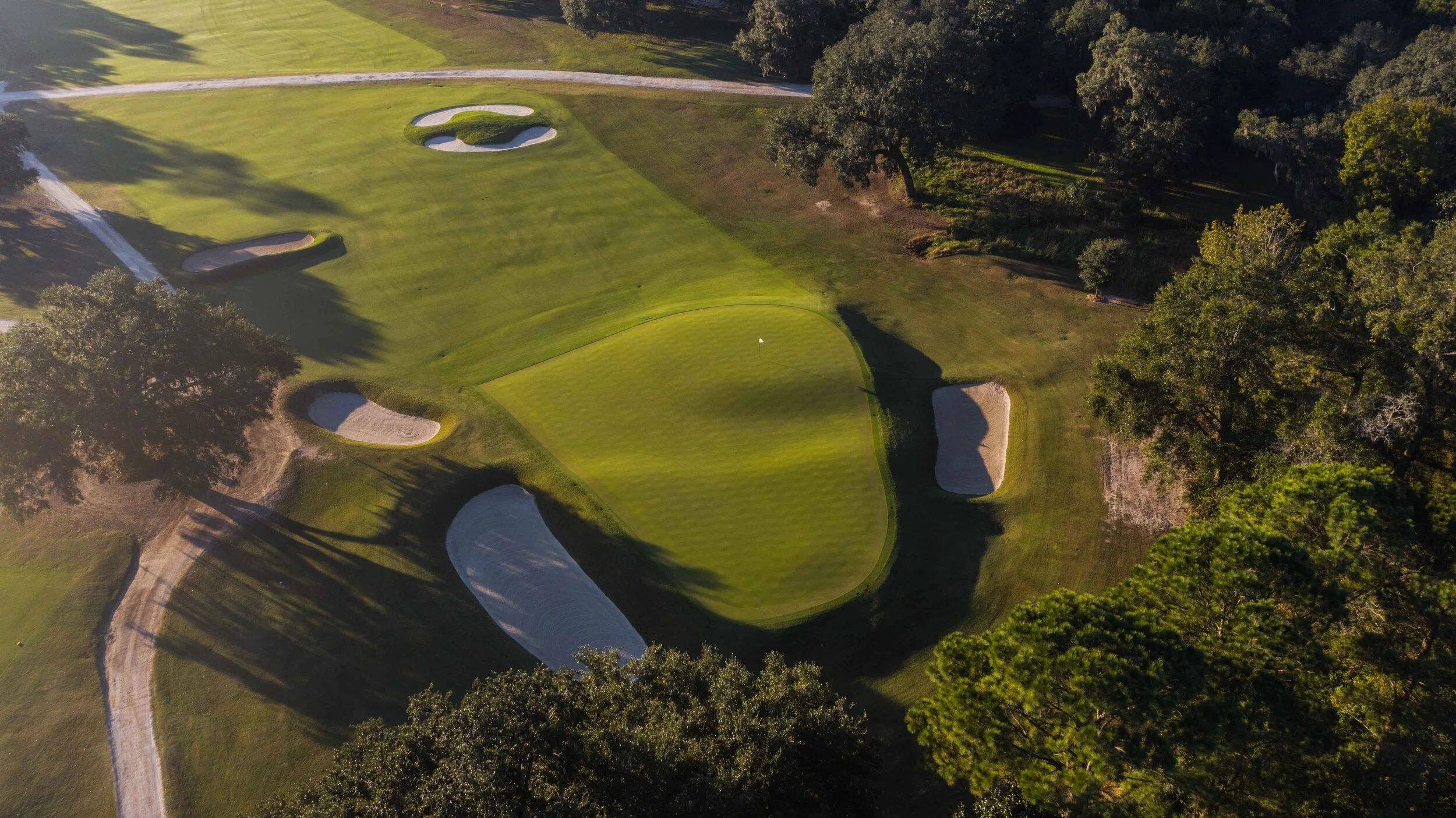
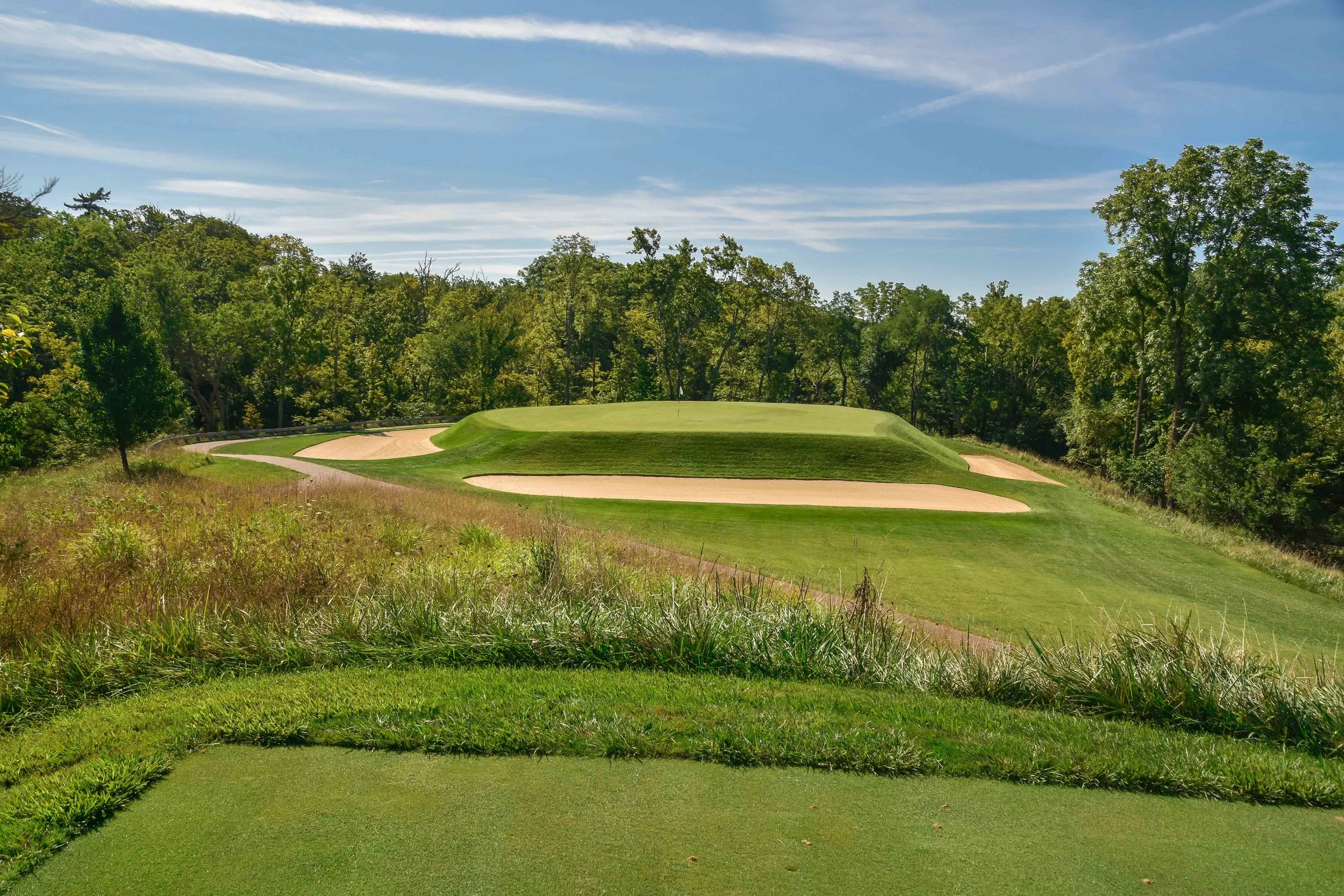
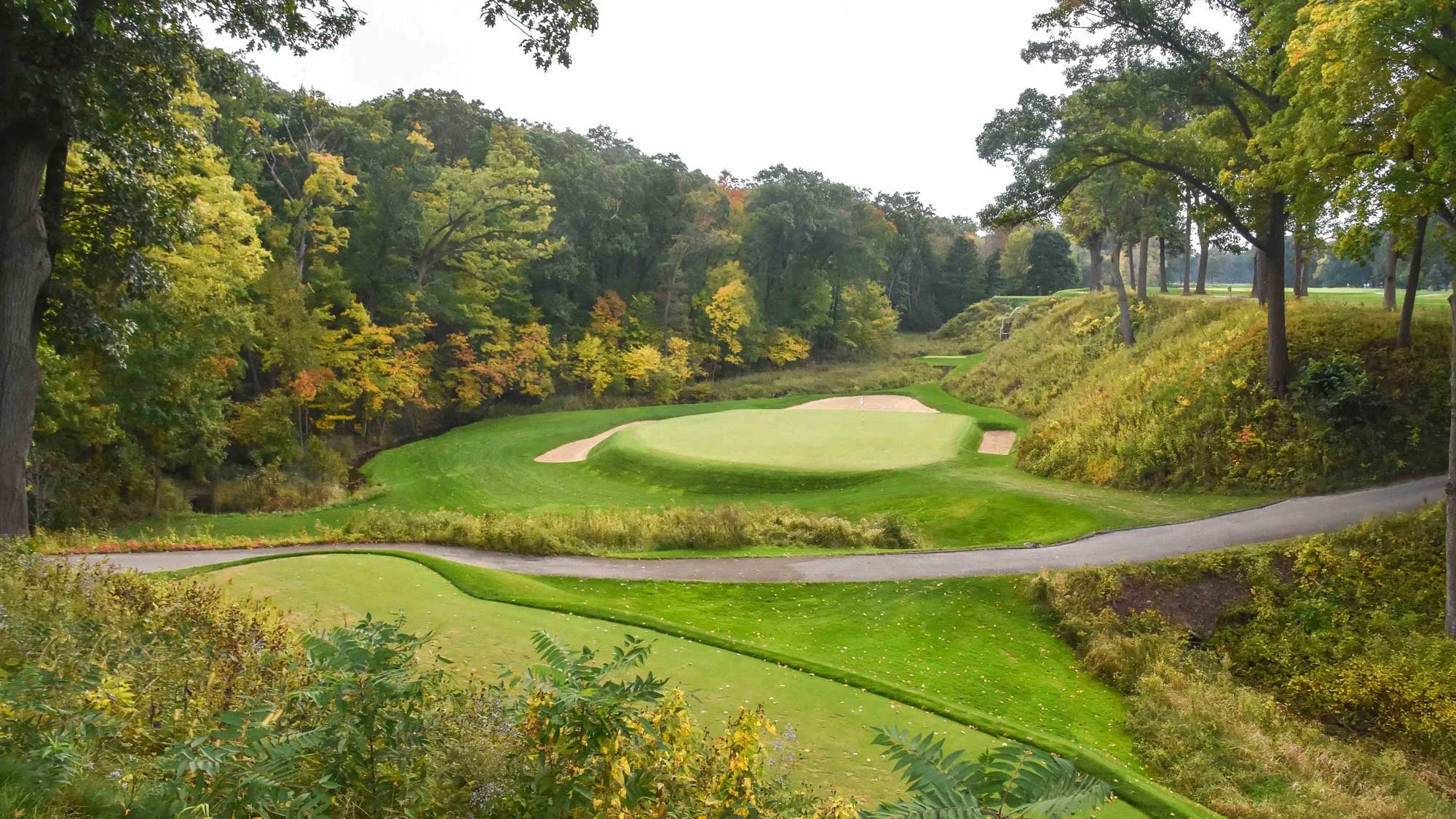
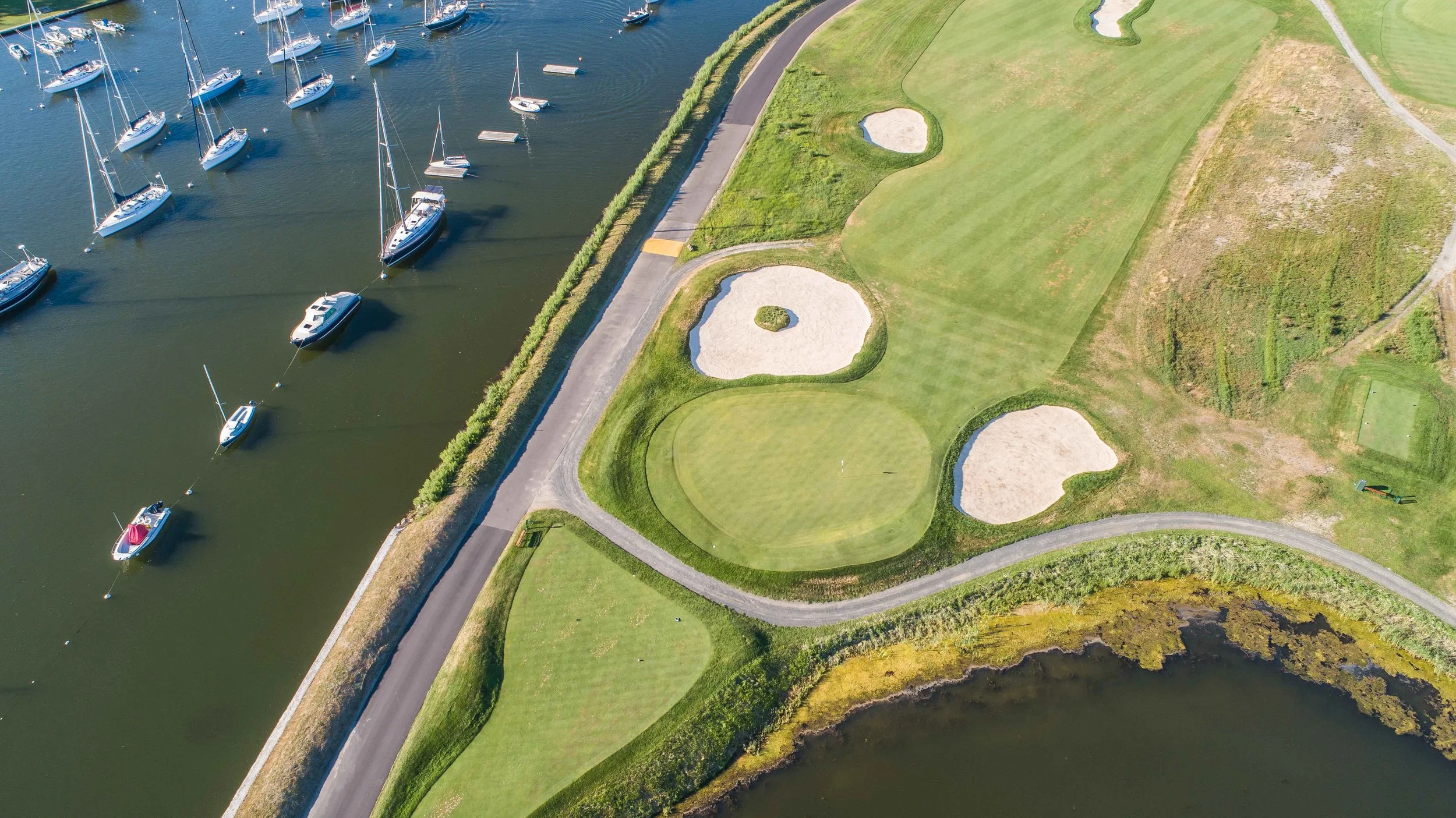
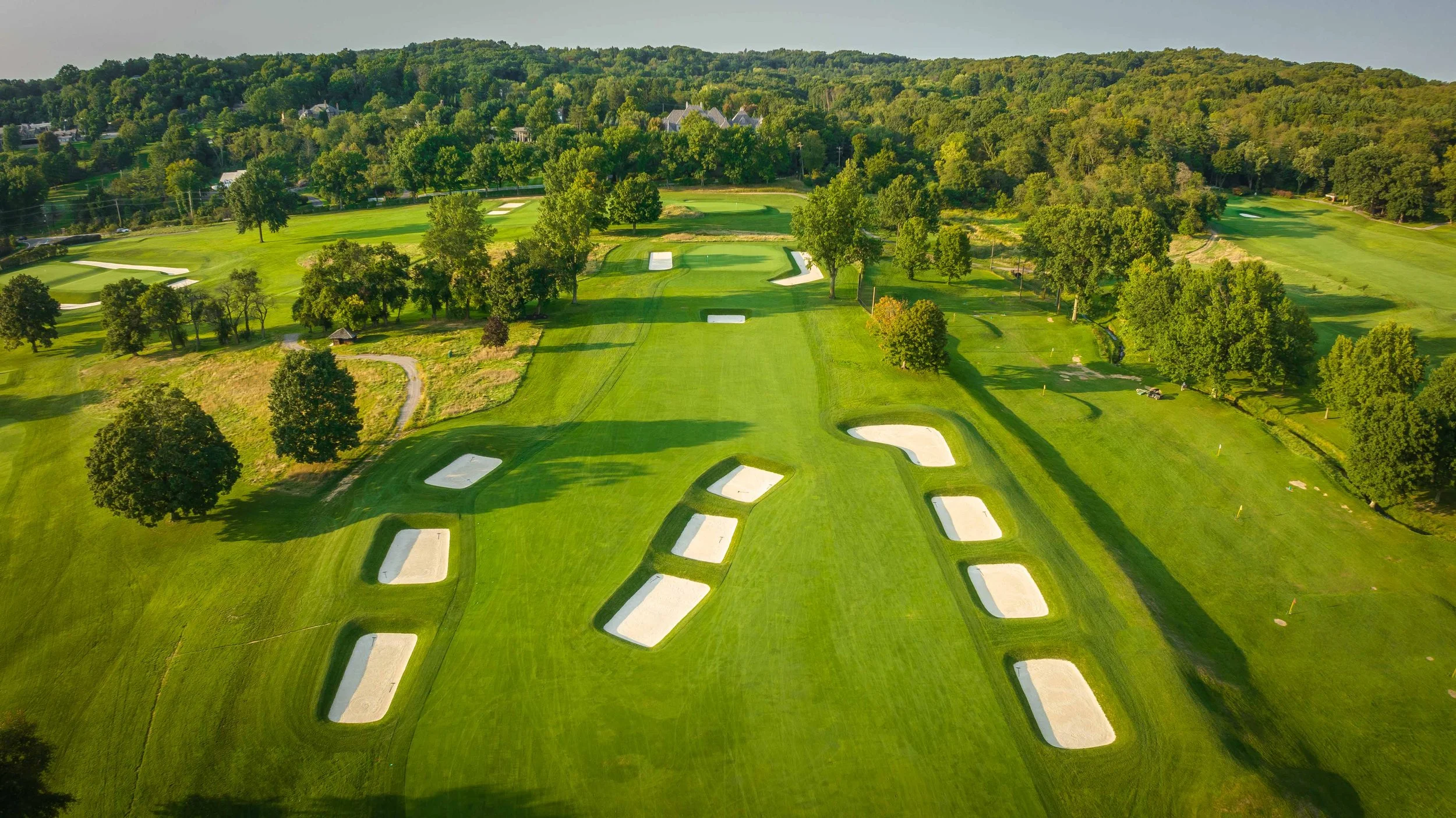
Raynor established his own golf architecture practice in 1914 and quickly gained acclaim for his designs. He designed approximately 85 golf courses in just over a decade, primarily across the eastern United States. Raynor was known for adapting and reinterpreting the “template holes” inspired by classic British courses—such as the Redan, Biarritz, and Eden—in his projects. His work combined engineering precision with creative design, often incorporating boldly contoured greens with complex slopes and deceptive fairways.
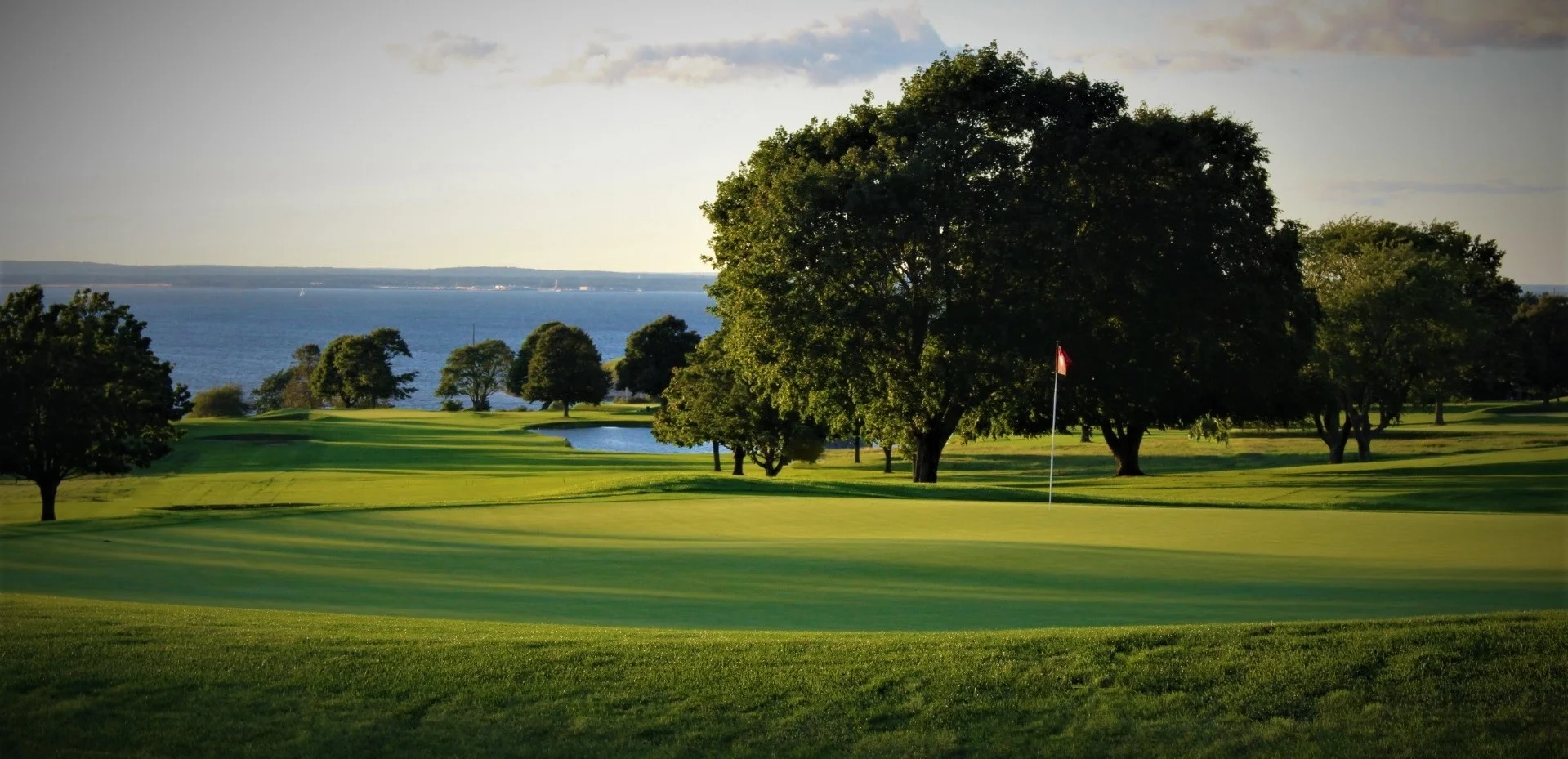
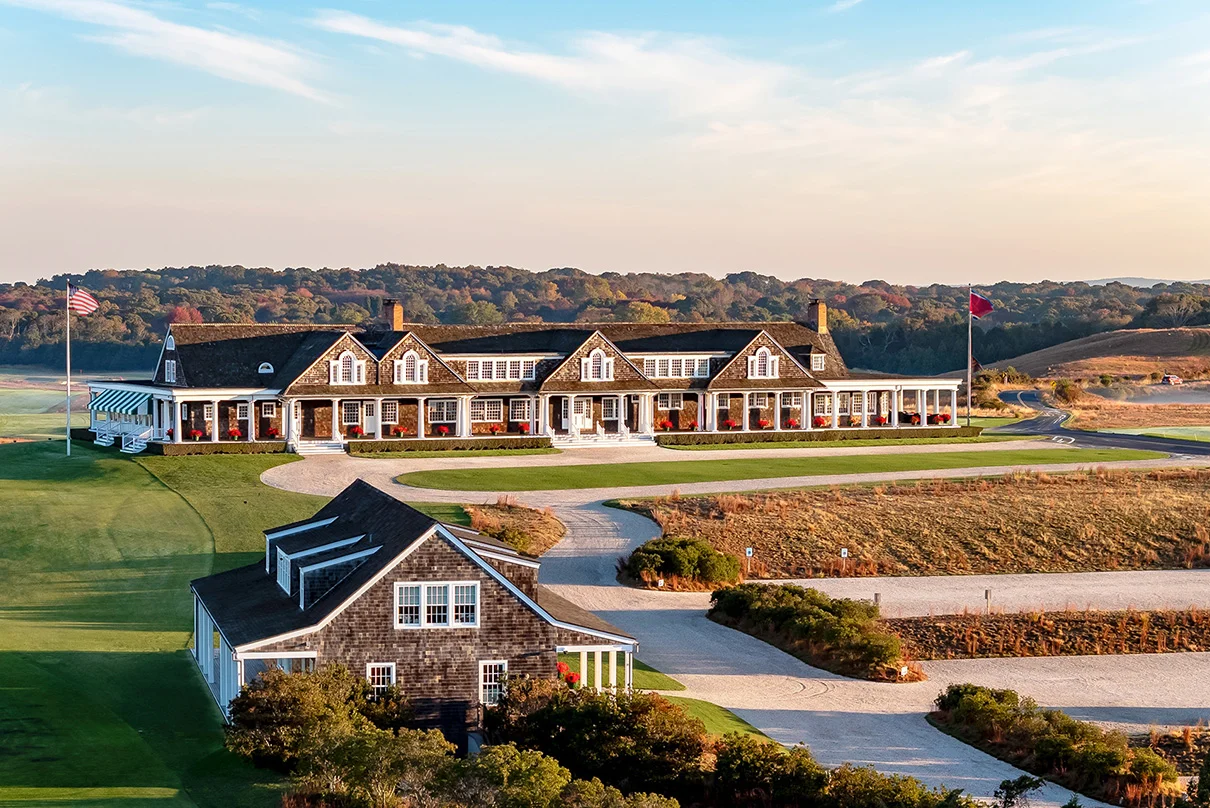
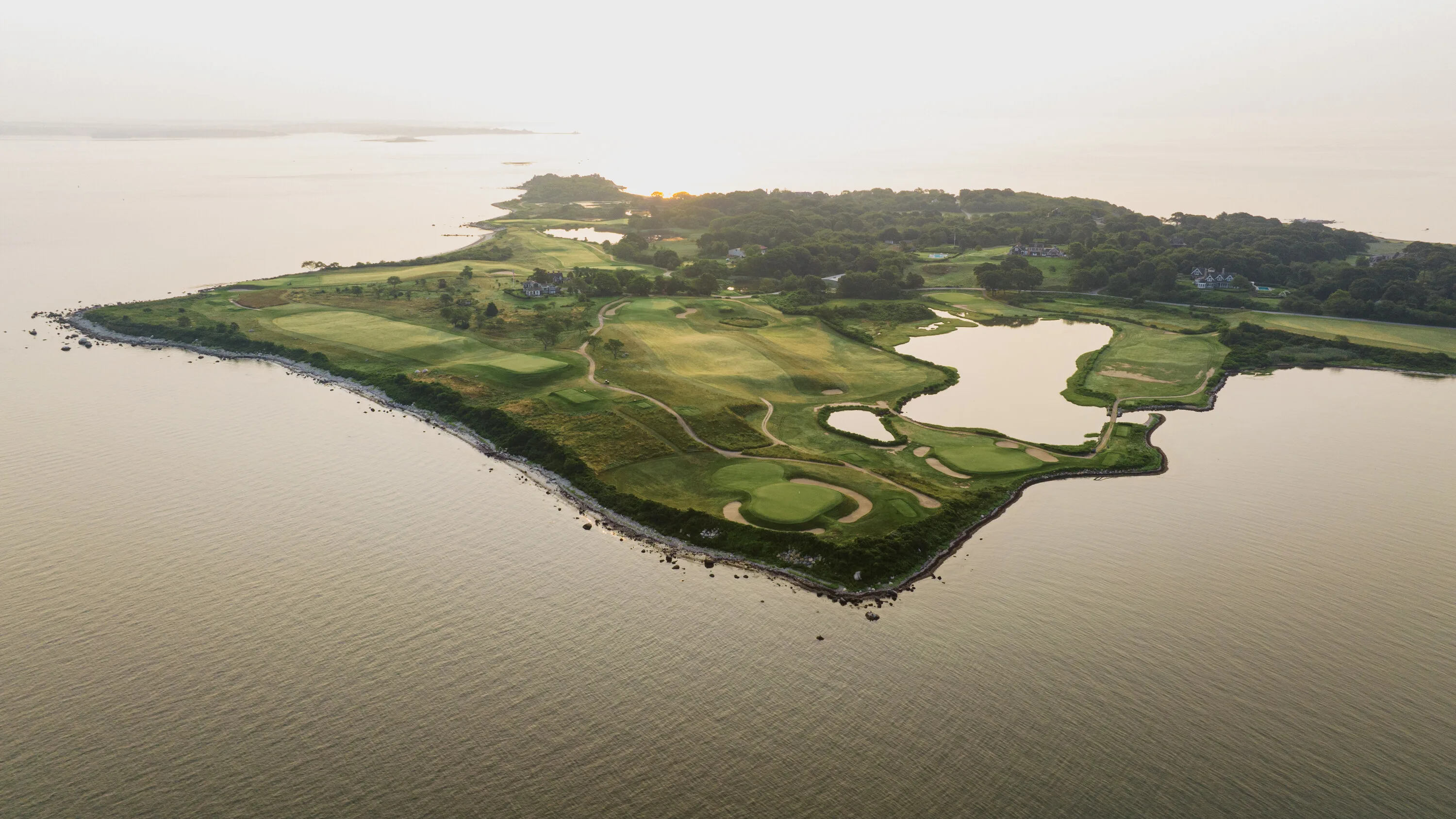
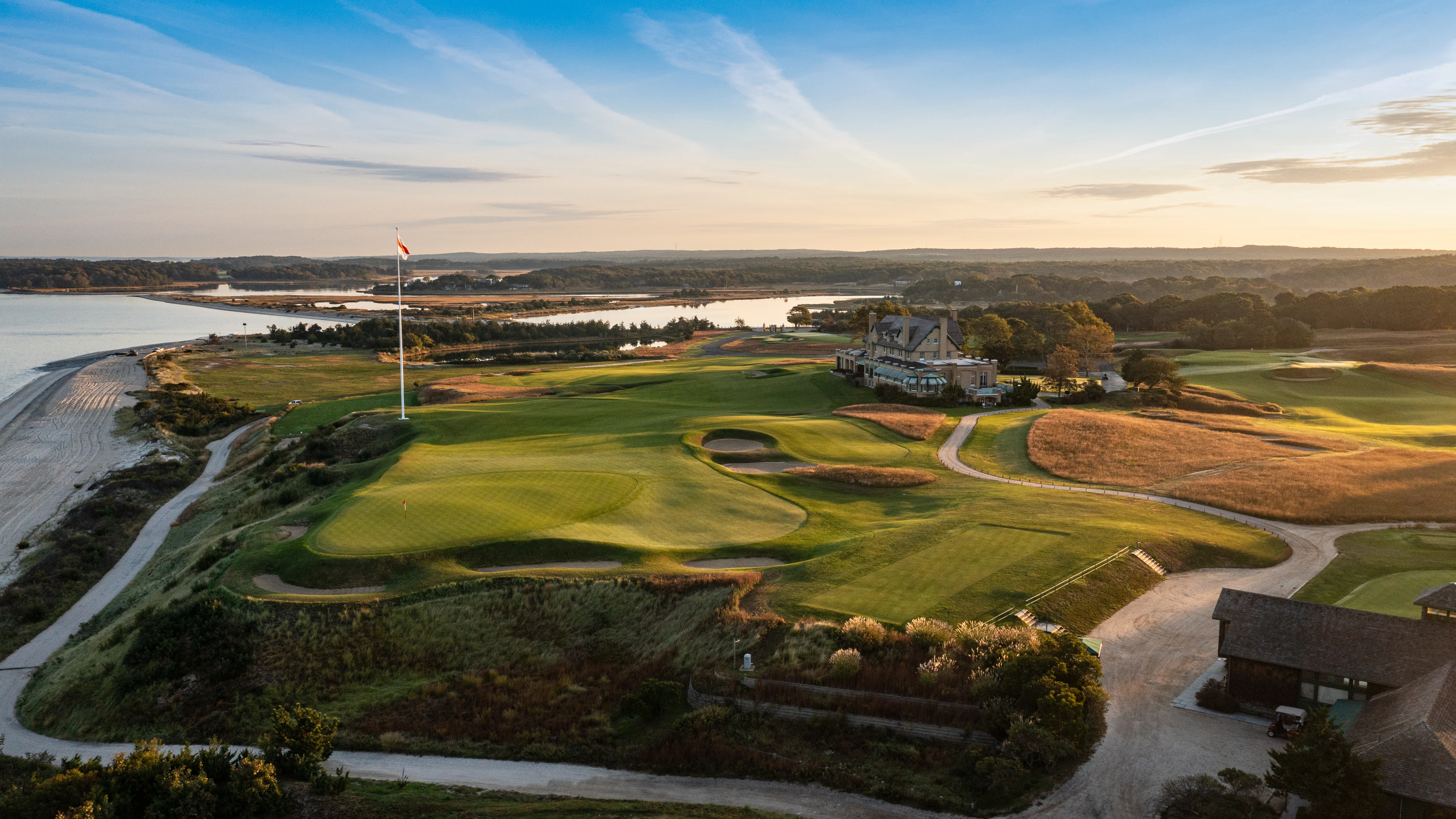
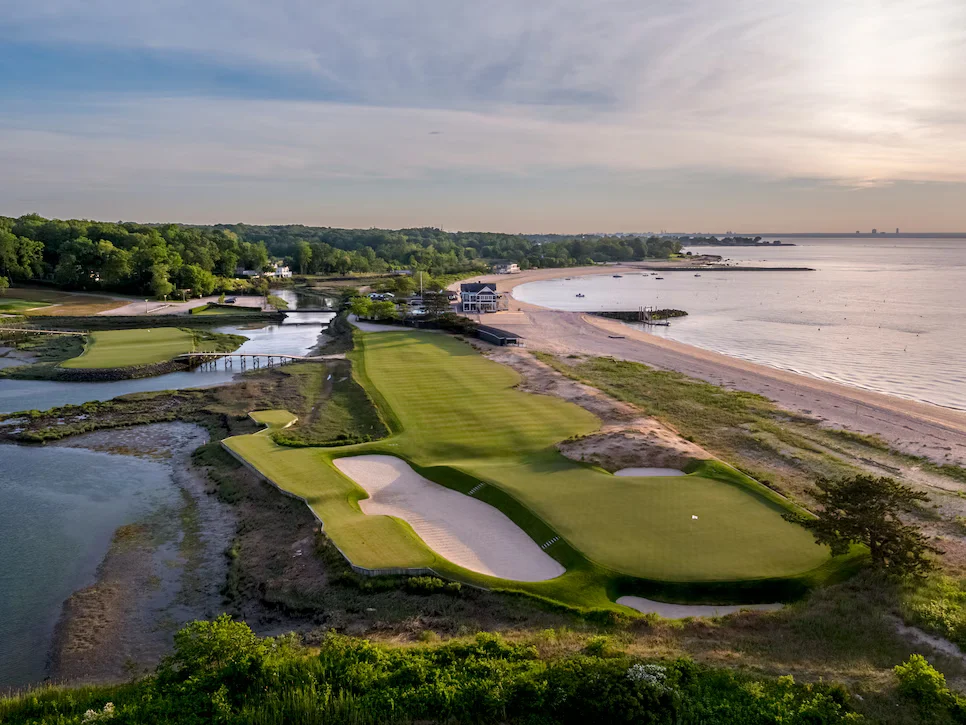
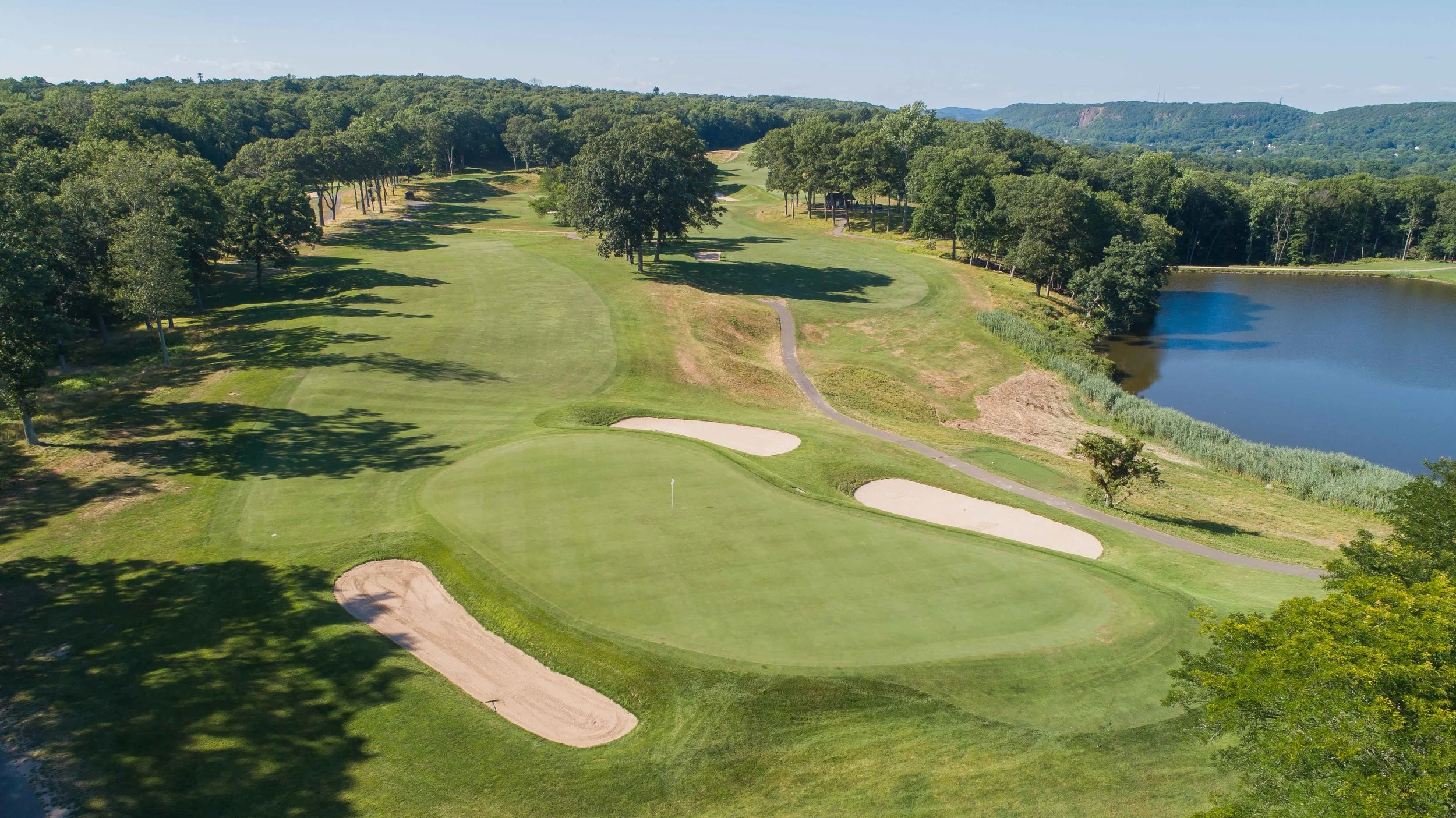
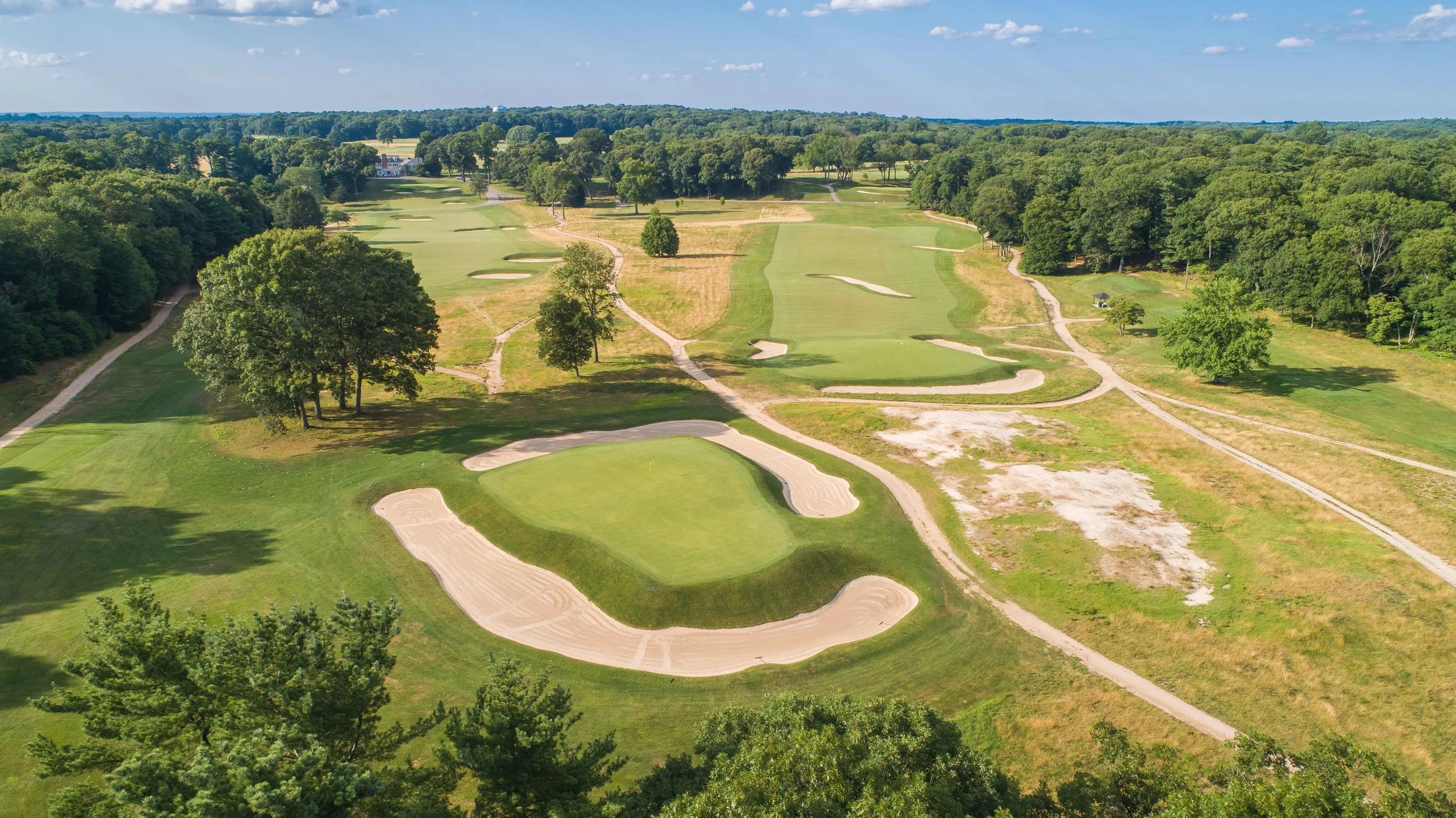
Despite rarely playing golf himself, Raynor's courses are celebrated for their strategic challenge and timeless appeal. Some of his notable works include Fishers Island, Yale Golf Course, and Shoreacres. Raynor passed away prematurely at the age of 51 in 1926, but his influence remains significant in the world of golf course architecture.
.webp)