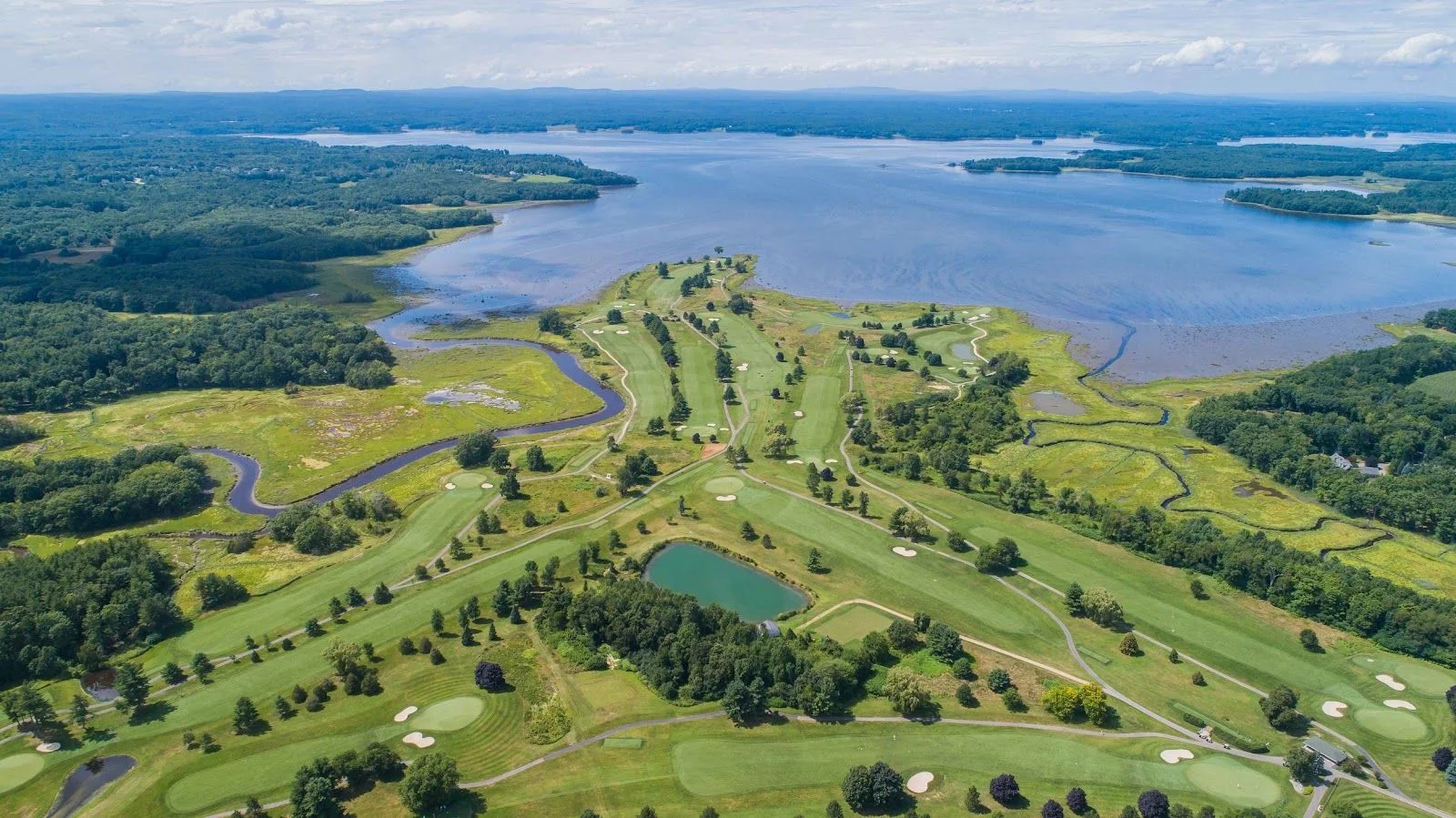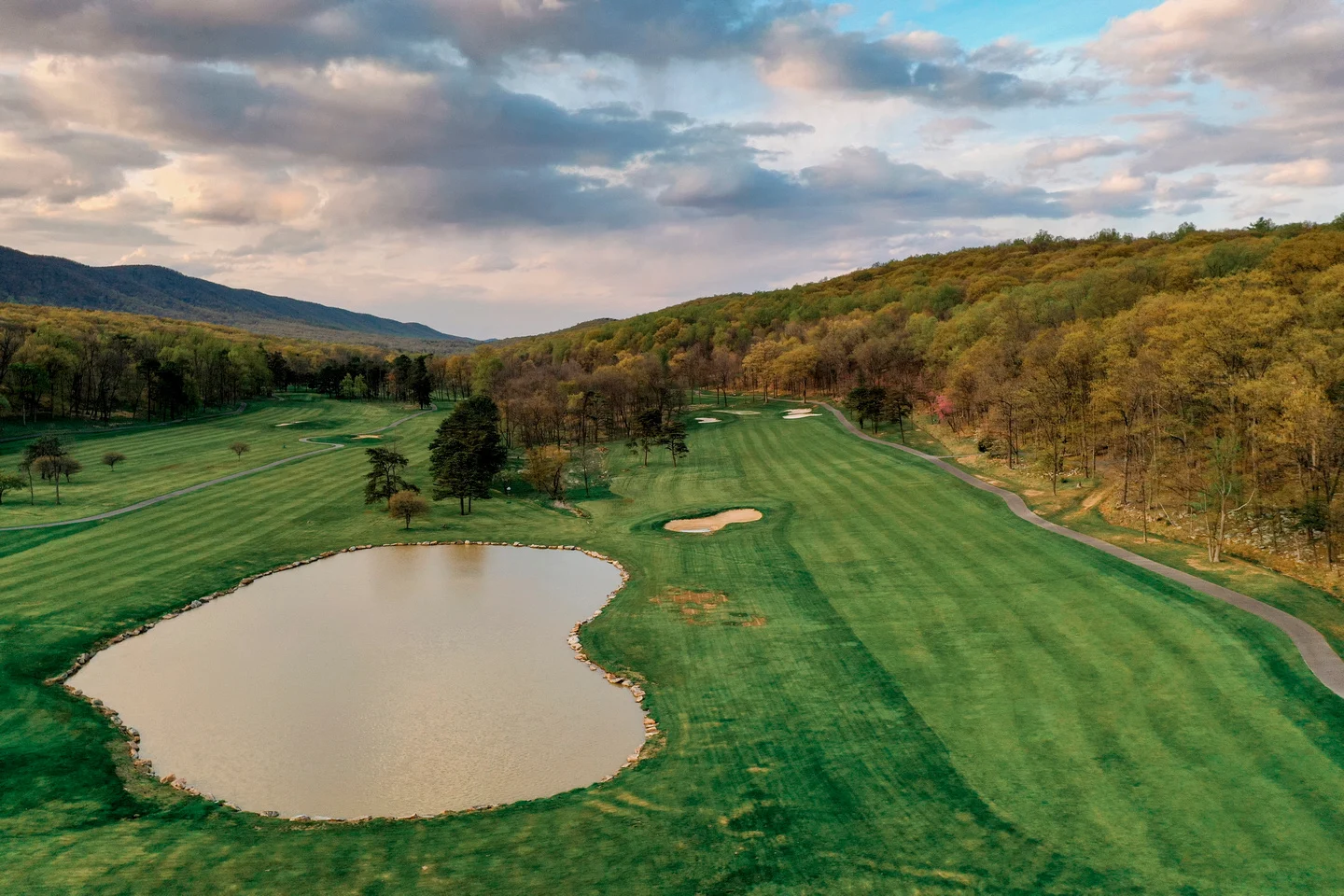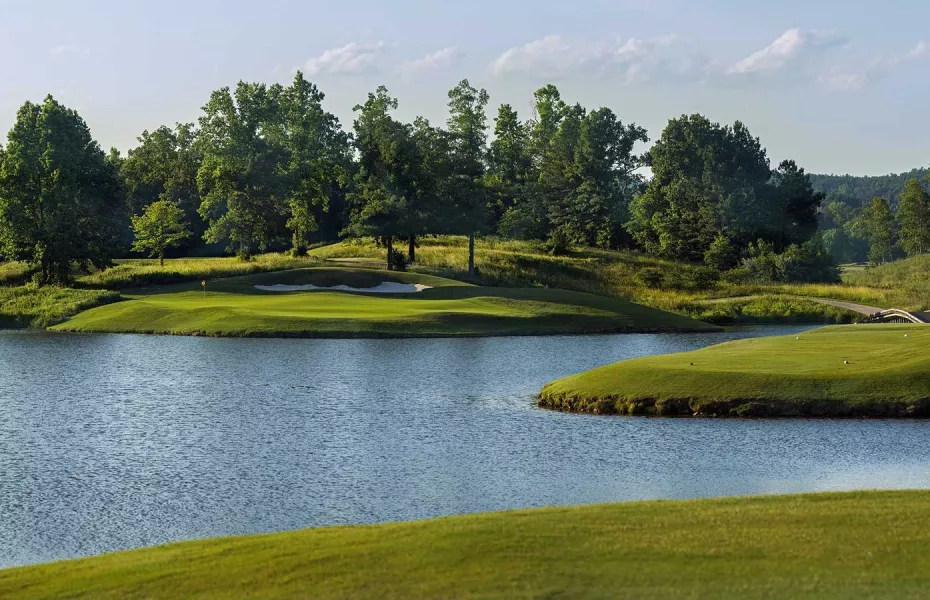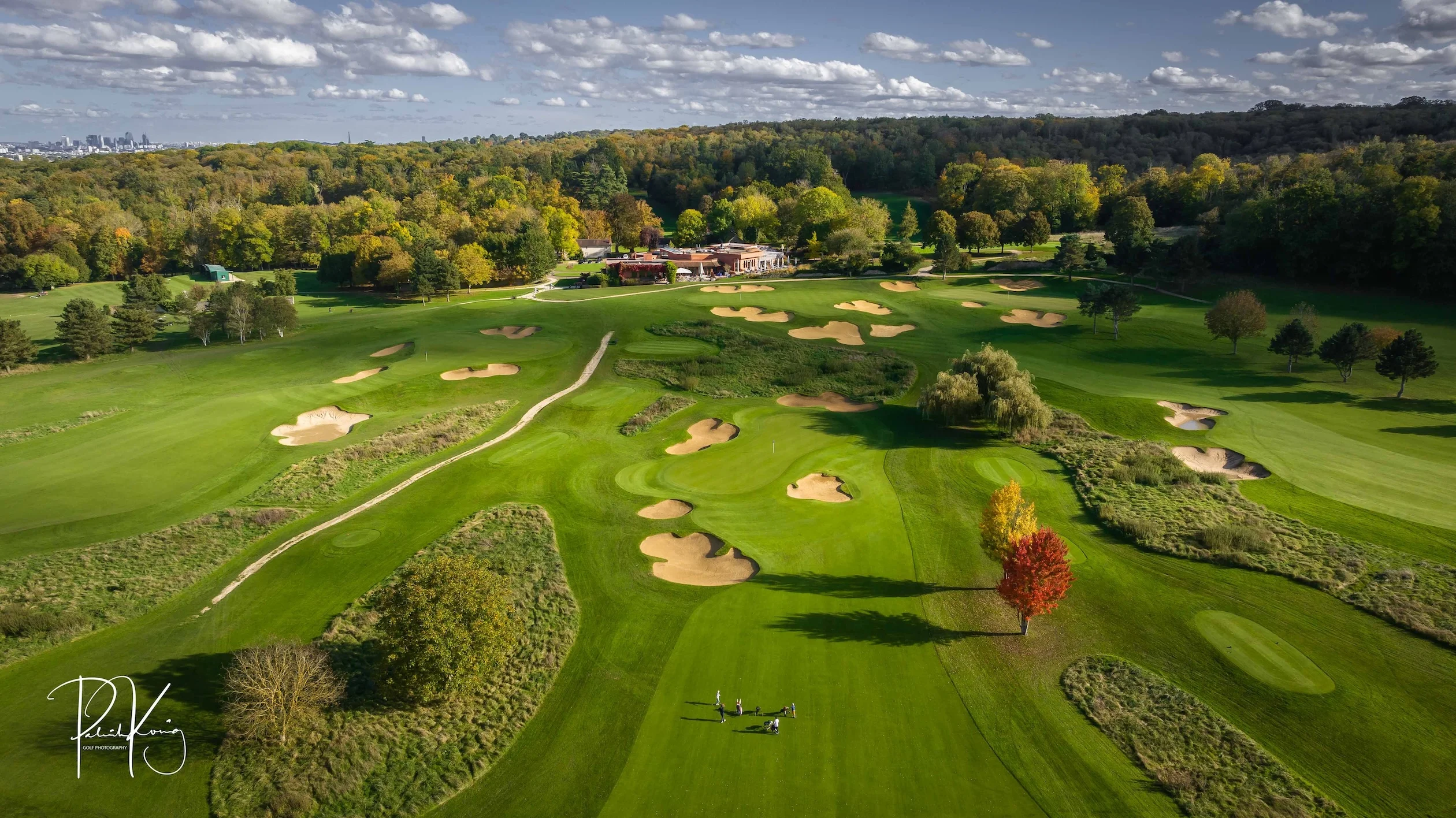

Robert Trent Jones Sr. once said, 'The sun never sets on a Robert Trent Jones golf course,' reflecting that his designs spanned nearly every continent and time zone.
Robert Trent Jones Sr., born June 20, 1906, in Ince-in-Makerfield, England, and raised in East Rochester, New York, was one of the most prolific and influential golf course architects of the 20th century. Often referred to as the master of "heroic architecture," he built or remodeled around 400 golf courses in 45 U.S. states and 35 countries over a career spanning nearly 70 years.
Jones is renowned for institutionalizing the risk-reward shot concept in golf design with his philosophy to craft every hole as a hard par but an easy bogey. His work elevated tournament golf by creating some of the most challenging and muscular courses ever faced by professionals, including Firestone, Hazeltine, Spyglass Hill, Baltusrol, and Oak Hill. His remodeling of Oakland Hills Country Club for the 1951 U.S. Open famously earned praise when Ben Hogan said he brought the "monster to its knees."
Educated at Cornell University with a unique golf architecture course of study, Jones initially partnered with Canadian architect Stanley Thompson before launching his independent career. Throughout his lifetime, he was commissioned by prestigious clients including presidents and royalty and spearheaded one of golf’s largest projects, the Robert Trent Jones Golf Trail in Alabama—a public course network totaling 378 holes at multiple locations.
Although sometimes criticized for harsh early designs, Jones's legacy includes broadening golf course architecture into a large-scale, professional industry. He was awarded the 1987 Old Tom Morris Award and inducted into the World Golf Hall of Fame that same year. Jones passed away in 2000 at age 93, leaving a worldwide imprint on the game.
%20LL.webp)
%20LL.webp)
.webp)
%20PK%205.webp)



%202.webp)
.webp)
%20.webp)

.webp)

.webp)



%202.avif)
%202.webp)
.webp)
%203.webp)
.webp)
.webp)